

WATCH NOW
Watch on the app













Shakira’s ‘Waka Waka’ didn’t just define the 2010 World Cup, its lyrics also hid a powerful African meaning
-
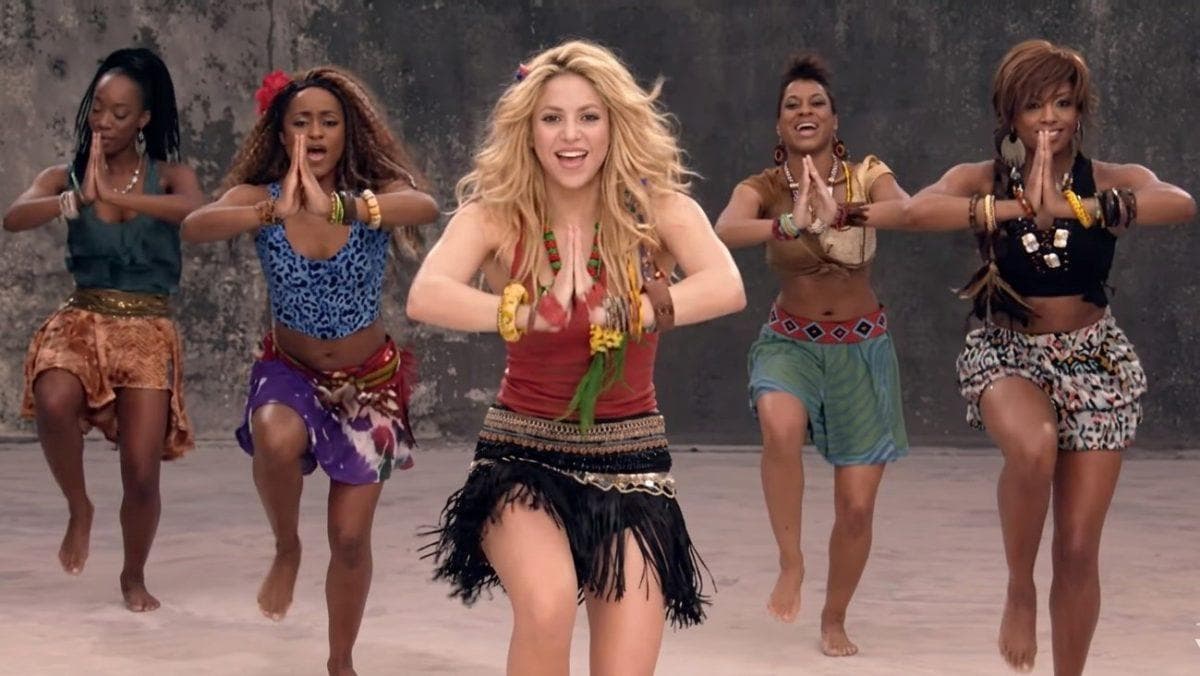
Shakira’s global success with “Waka Waka (This Time for Africa)” served as a sporting anthem that rescued military rhythms and chants from Central Africa.
-
Behind its most famous chorus lies a story of resistance and motivation rooted in Cameroonian troops during World War II.
-
While the Colombian star prepares to present “Dai Dai”, the 2026 anthem, the legacy of her first major World Cup hit remains the most iconic song in the tournament’s history.
In the history of music and sports, few songs have achieved the immortality of “Waka Waka (This Time for Africa)”; released as the official theme for the 2010 South Africa World Cup, the track defined an era and solidified Shakira as the definitive figure of FIFA events. However, beyond its infectious rhythm, the lyrics hide a powerful meaning that connects directly to the collective memory of Cameroon.
Although millions of people around the world have spent over fifteen years singing the famous “Tsamina mina, eh eh,” few know that this chorus did not originate in a modern recording studio. Instead, it was born in the training camps and African military marches of the mid-20th century.
What does “Waka Waka” actually mean?
The expression that gives the song its title comes from the Fang language, spoken primarily in Cameroon, Equatorial Guinea, and Gabon. In this context, “Waka Waka” can be interpreted as an invitation to action: “do it” or “you can do it.” It is, in essence, a motivational shout that fit perfectly with the spirit of athletic perseverance.
On the other hand, the chorus “Tsamina mina zangalewa” has an even deeper origin. It roughly translates to “Where do you come from?“ and was a phrase used by Cameroonian soldiers to question each other during long marches. Consequently, what began as a rhythmic chant to keep morale high during wartime eventually became part of popular African folklore.
From World War II marches to global stardom
The melody that Shakira adapted has its roots in the Cameroonian troops who participated in World War II. Decades later, in 1986, the group Golden Sounds popularized the track under the name “Zangalewa,” turning it into a massive hit across the continent.
The artist from Barranquilla took these cultural elements and transformed them into a message of global unity. Today, the official video exceeds 3 billion views on YouTube and the song remains a pillar of her successful Las Mujeres Ya No Lloran World Tour, proving its impact is timeless.
The bridge to 2026: From “Waka Waka” to “Dai Dai”
This deep connection with African culture was not an isolated event; now, Shakira prepares to come full circle with the release of “Dai Dai,” her new collaboration with Afrobeat giant Burna Boy. This track will serve as the official anthem for the World Cup hosted by the United States, Mexico and Canada.
Equipped with the experience of creating the gold standard for sporting anthems, the singer seeks to unite the world through rhythm once again. But before dancing to the present, remembering the resilient and military origin of her greatest hit helps us understand why her music connects so powerfully with fans across all continents.
