

WATCH NOW
Watch on the app




New York, Chicago, L.A.: The LGBTQ Neighborhoods Shaping the Future of Queer Culture
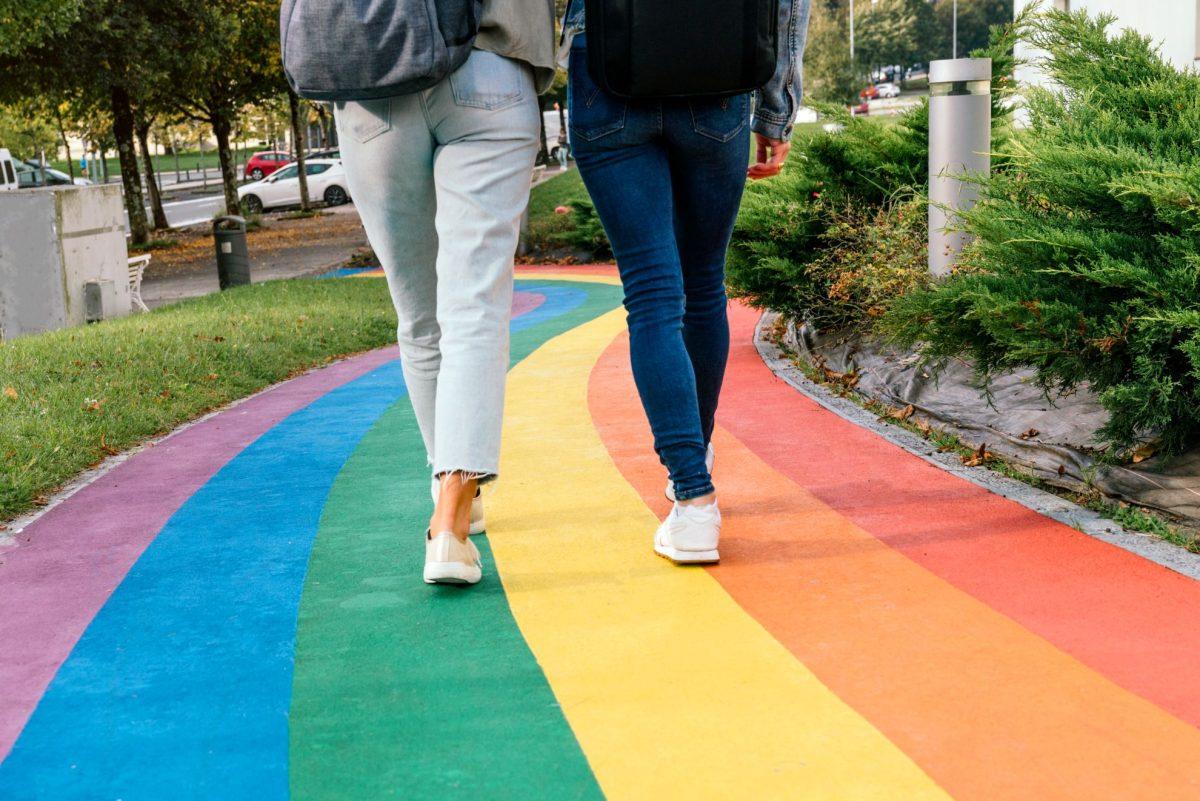
A drag show in Brooklyn, a neighborhood bookstore in Chicago, and a packed dance floor in West Hollywood might seem like three very different nights out. But they all tell part of the same story: LGBTQ culture in America is no longer defined by just a handful of famous streets.
For decades, neighborhoods like Greenwich Village, Boystown, and West Hollywood have been central to queer life. They’re still important, but the scene has grown well beyond their original boundaries. From Latino nightlife in Queens to independent creative spaces in Los Angeles, a new generation is adding its own ideas to places with decades of history.
And the most interesting changes aren’t always happening where tourists expect to find them.
New York: Beyond the West Village
New York’s LGBTQ history is impossible to separate from Greenwich Village. The 1969 Stonewall uprising helped transform the modern gay rights movement, and Christopher Street remains an important destination for visitors who want to understand that history.
But queer New York doesn’t stop at the Hudson River or the Manhattan skyline. In Brooklyn, neighborhoods like Bushwick and Williamsburg have developed nightlife scenes known for experimental performances, dance parties, and spaces that attract a wider mix of LGBTQ audiences.
Meanwhile, Jackson Heights in Queens has its own place in the city’s queer story. Its large Latino and immigrant communities have helped sustain LGBTQ nightlife and organizing outside Manhattan, including the annual Queens Pride celebration.
That’s what makes New York interesting today. Someone looking for a historic gay bar, a Spanish-speaking social scene, or a late-night drag performance can find very different experiences without leaving the five boroughs.
Chicago: More than Boystown
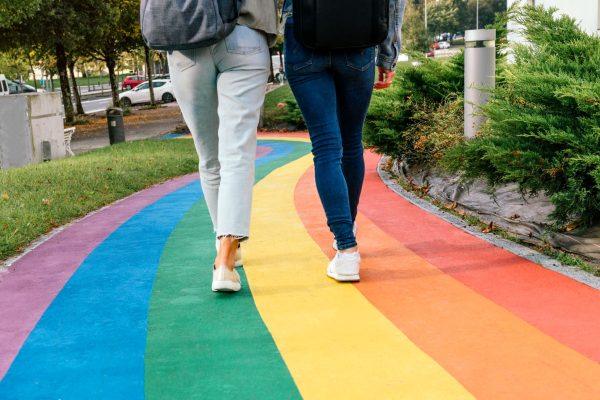
Chicago’s Northalsted neighborhood, historically known as Boystown, became the country’s first officially recognized gay neighborhood in 1997. Today, Halsted Street remains a major LGBTQ destination, with rainbow pylons, nightlife, restaurants, and the Legacy Walk honoring important figures in queer history.
Yet Chicago’s LGBTQ community has never been limited to one strip of bars.
A little farther north, Andersonville offers a different experience. Along Clark Street, independent businesses, neighborhood restaurants, and Women & Children First, a longstanding feminist bookstore, have helped establish an area with strong ties to LGBTQ women and the wider queer community.
Nearby Uptown, Edgewater, and Rogers Park also contribute to Chicago’s LGBTQ life, offering everything from neighborhood hangouts to community organizations.
For visitors, it’s a reminder that queer culture isn’t always about finding the busiest club. Sometimes it’s a bookstore, a local café, or a place where the same people have been meeting for years.
Los Angeles: West Hollywood meets Silver Lake
West Hollywood remains one of America’s most recognizable LGBTQ destinations. Its Rainbow District, along Santa Monica Boulevard, is filled with bars, restaurants, and businesses connected to the queer community.
The city’s political history is just as notable. When West Hollywood incorporated in 1984, it elected a majority-gay city council, establishing a reputation for LGBTQ advocacy that continues today.
But Los Angeles has another important chapter across town.
Silver Lake was home to the Black Cat Tavern, where a police raid on New Year’s Eve in 1966 led to LGBTQ rights demonstrations in February 1967, more than two years before Stonewall. Today, the neighborhood’s history sits alongside a mix of independent nightlife, art, music, and creative communities.
In 2024, Los Angeles removed the remaining anti-cruising traffic signs in Silver Lake, a reminder of how recently LGBTQ people faced restrictions even in neighborhoods now associated with queer life.
Together, West Hollywood and Silver Lake show two sides of Los Angeles: the highly visible LGBTQ district and the neighborhoods where queer history and independent culture have developed outside the spotlight.
What happens to the Gayborhood next?
These neighborhoods are changing, and not every change is easy. Rising rents can make it harder for independent businesses, artists, and longtime residents to remain in the communities they helped establish.
At the same time, LGBTQ culture keeps spreading into new parts of these cities. The challenge is making sure that growth doesn’t erase the people and places that came before.
The next chapter of queer culture probably won’t have a single address. And judging by New York, Chicago, and L.A., that’s already becoming pretty clear.
