

WATCH NOW
Watch on the app


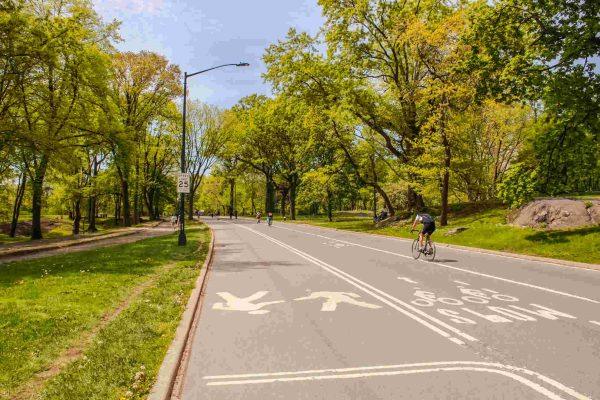

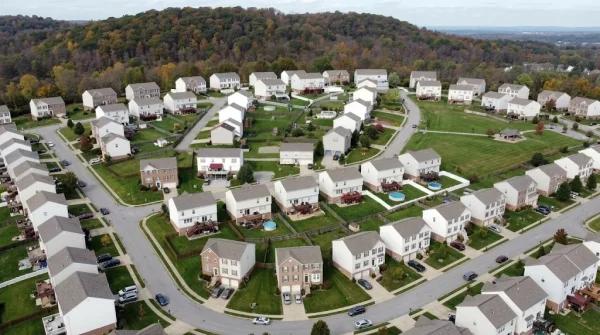
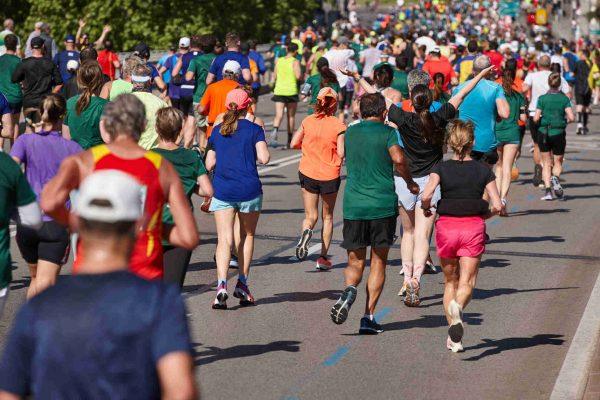






NYC wants to reconnect neighborhoods divided for decades, with four major greenway projects
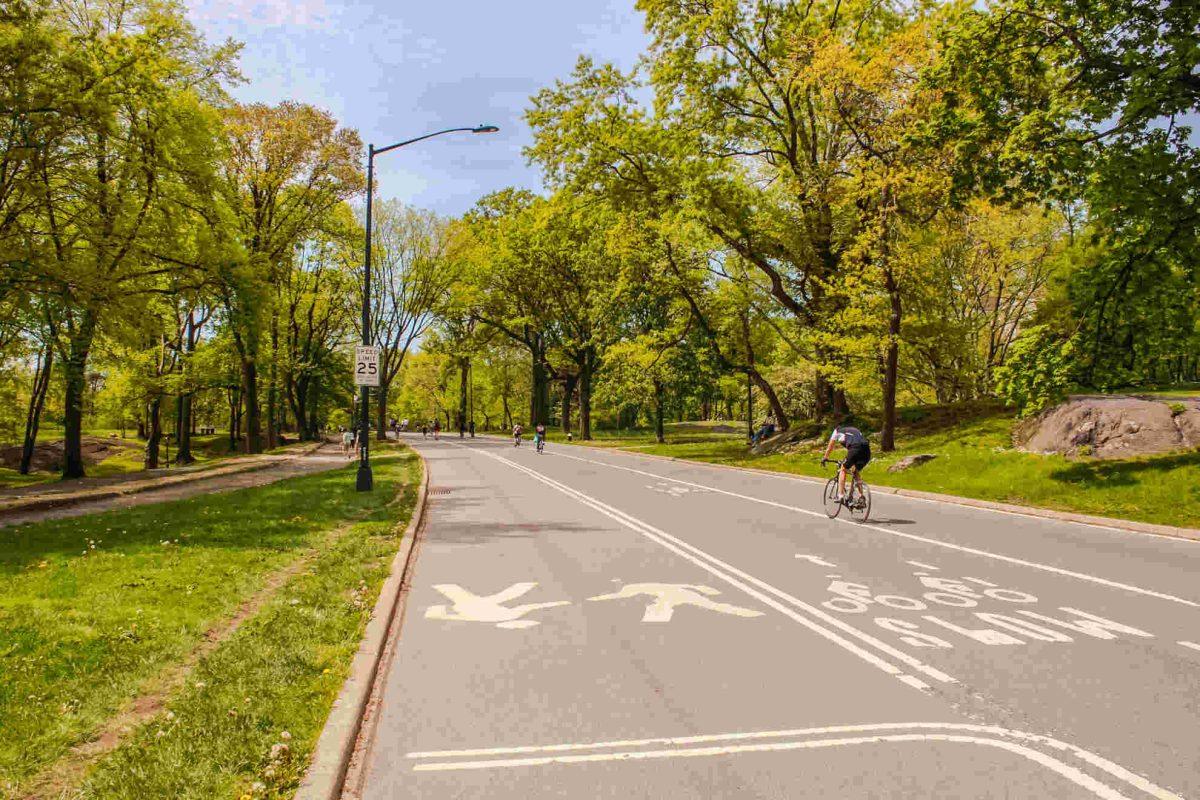
- The New York initiative seeks to unite neighborhoods divided by highways through green corridors designed for pedestrians and cyclists.
- The plan covers seventy kilometers spread across four key boroughs to transform mobility in neighborhoods and parks.
- The community will actively participate in public workshops to define the final routes of the green corridors for cyclists and pedestrians.
Urban reconnection to transform mobility in local neighborhoods
The ambitious urban transformation plan to unite isolated neighborhoods in New York City just took a historic step, as the city’s Department of Transportation announced the official planning of four green corridors that will span more than seventy kilometers across the Bronx, Brooklyn, Queens and Staten Island. After formally launching the study phase at the end of October twenty twenty-six, local officials aim to eliminate physical barriers caused by high-traffic highways and industrial zones, allowing pedestrians and cyclists to travel safely through the designated green corridors without risking their lives alongside trucks or motor vehicles. Furthermore, with an initial investment of more than seven million dollars from a federal grant, this sustainable infrastructure plan seeks to redefine urban quality of life across the metropolis, guaranteeing direct access to waterfront parks, massive employment centers, and strategic public transportation stations.
Strategic routes custom-designed for every city borough
Likewise, the development of the project and the green corridors plan includes specific routes tailored to the daily needs of families in New York, highlighting the Bronx Waterfront Greenway with more than twenty-four kilometers extending between Randall’s Island Park and the vicinity of the Throgs Neck Bridge. For its part, the route planned for the Brooklyn neighborhood will connect historic thoroughfares such as Ocean Parkway and Eastern Parkway with Coney Island, facilitating direct links to key transit hubs like Broadway Junction and Prospect Park. In Staten Island and Queens, the new pathways will line the north shore and the Jamaica Bay area, opening safe routes that benefit previously underserved communities while offering clean mobility alternatives to the more than thirty-five thousand people who work at JFK International Airport.
Community participation and projection toward a greener future
On the other hand, to ensure that the integration of these trails and green corridors truly addresses the daily reality of New York, municipal authorities scheduled in-person and virtual workshops where neighborhood residents can report dangerous intersections, lighting failures or lack of access to green spaces. Although official goals project completing all implementation plans by twenty twenty-eight, the first phase of interventions will deliver immediate improvements such as road markings, signage and protected segments that will transform the environment in the short term for pedestrians, cyclists and public transit alike. In this manner, the consolidation of these four green corridors represents a landmark victory for public space, proving that urban planning can heal past divisions and build far more united, healthy and human-centered communities.
