

WATCH NOW
Watch on the app



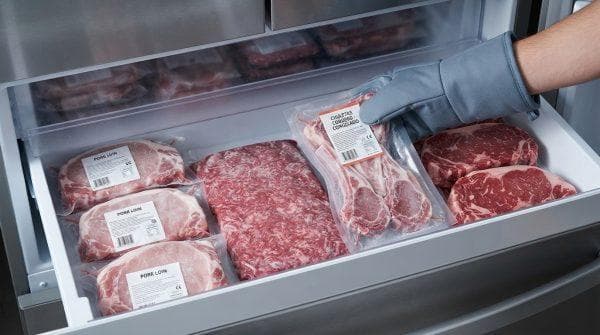











How long does pork last? Here’s when to keep it, freeze it or throw it away
-
A complete pork storage guide helps identify key spoilage signs such as cloudy liquids or intense odors in fresh cuts purchased at commercial establishments.
-
Food safety experts strongly recommend checking packaging dates and refrigeration conditions carefully to prevent severe foodborne illnesses.
-
Federal regulations establish strict quality standards to ensure that commercialized products maintain optimal properties for safe consumption.
Pork meat inspections sold in American markets remain essential to guarantee consumer safety and prevent health risks tied to spoiled products, while food safety specialists remind buyers to carefully examine color, texture and packaging before performing any culinary preparation at home, and health authorities emphasize the importance of following strict storage protocols.
Moreover, current regulations from the United States Department of Agriculture regulate the classification and commercialization of main cuts to protect public health nationwide and citizens must stay informed about maximum freezing and refrigeration times to make the most of food without compromising family well-being, marking a vital step in handling pork meat safely.
Visual, packaging and olfactory indicator verification for a pork storage guide
-
Evident signs of deterioration include grayish, greenish, or very dark and opaque tones, so discarding the meat entirely is best if it looks like this and utilizing a reliable pork storage guide ensures complete household safety.
-
Consumers must immediately discard packages featuring pungent odors, excessive cloudy or sticky liquids, or an inflated package.
-
Large ice crystals inside the package clearly signal that the product thawed and refroze incorrectly.
-
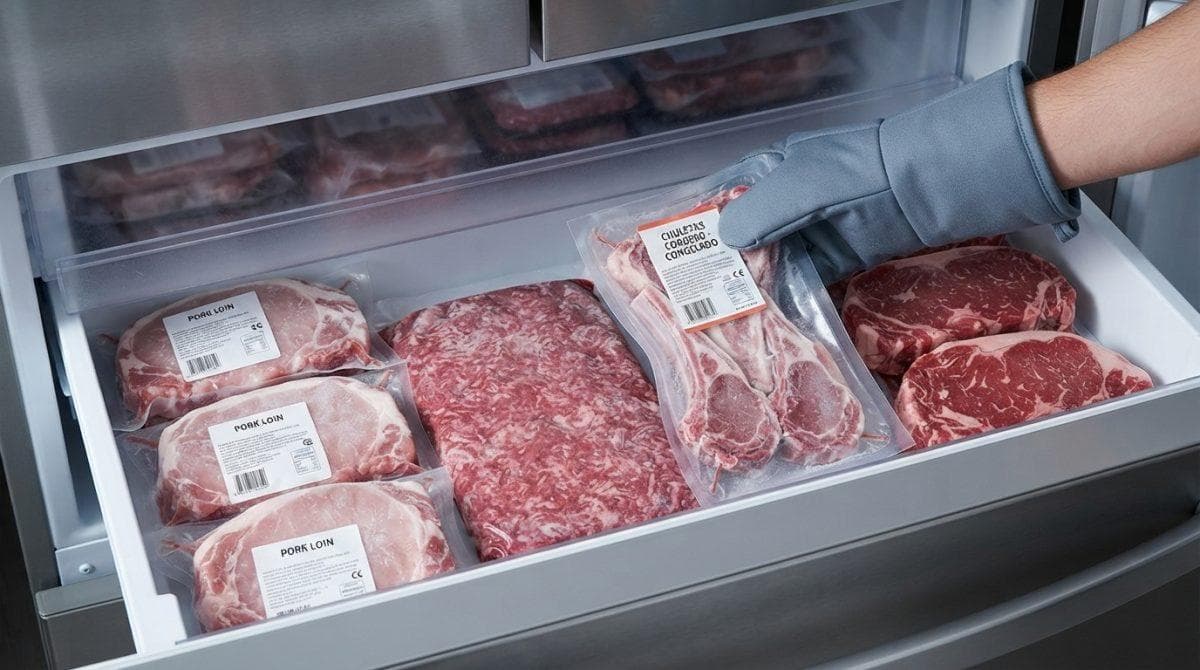
Buyers must carefully check informative labels and leverage the advantages of properly identified vacuum packaging to inspect the cut.
Meanwhile, specialists warn that meat in packaging lacking shine, featuring excess liquid, bad odor and darkened color can signal that it lacks true freshness, whereas food engineer Monserrat Meléndez explains that checking the packaging date is recommended, coupled with the fact that pork meat lasts 15 days from slaughter onward as long as it remains refrigerated, proving how helpful any pork storage guide truly is.
“From the moment slaughter occurs, pork meat lasts 15 days as long as it stays refrigerated, which is why checking the packaging date is recommended.”
Monserrat Meléndez
Recommended conservation and storage times following a pork storage guide
Raw cuts kept in refrigeration maintain optimal properties during specific conservation periods, yet industrial and domestic freezing substantially modifies these temporal margins, meaning that buying pre-frozen meat that never thawed allows storage for up to 2 years under optimal cold conditions on shelves, aligning with every trusted pork storage guide recommendation.
Consequently, freezing the meat at home changes things notably, since a roast or chop lasts 4 to 6 months, ground meat lasts 3 to 4 months, and cooked meat lasts 2 to 3 months, and already cooked foods withstand this additional period under deep freezing, facilitating nutritional planning for American households.
Federal regulations, classification and commercial traceability
Regulations from the Food Safety and Inspection Service establish strict classifications guaranteeing the exclusive distribution of properly cataloged products in retail markets and the USDA classifies pork meat into 2 levels, where acceptable quality corresponds to fresh supermarket meat featuring a high proportion of lean meat, whereas utility pork meat finds primary use in processed products and remains unavailable in supermarkets.
Specifically, FSIS purchasing recommendations suggest following these operational steps rigorously:
-
Look for cuts featuring a relatively small amount of external fat alongside firm, pink meat, following every essential pork storage guide standard.
-
Verify that the piece features a small amount of marbling for better flavor during culinary cooking.
-
Identify the 4 main basic cuts dividing pork in the US, namely the shoulder or picnic shoulder, loin, spareribs, and leg.
-
Check labels on natural products, which cannot contain artificial flavorings or seasonings, chemical colorings, preservatives, or synthetic ingredients, and must carry a brief explanation defining the term natural, where processing the product and ingredients minimally, such as grinding them, is key, alongside the advantage of vacuum packaging, where checking the cut, date, pork type, activating farm, packaging date, and expiration date allows knowing its origin and safe consumption deadline for pork meat.
Ver esta publicación en Instagram
