

WATCH NOW
Watch on the app



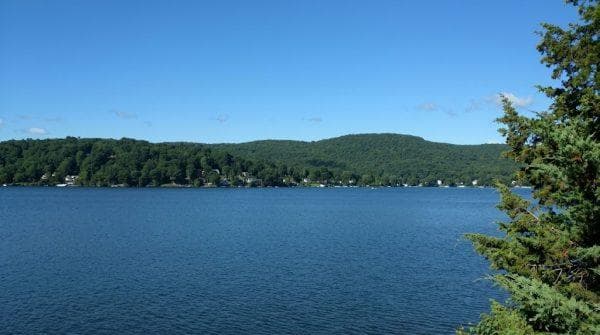











Connecticut’s largest lake is facing an underwater invasion that threatens to change everything
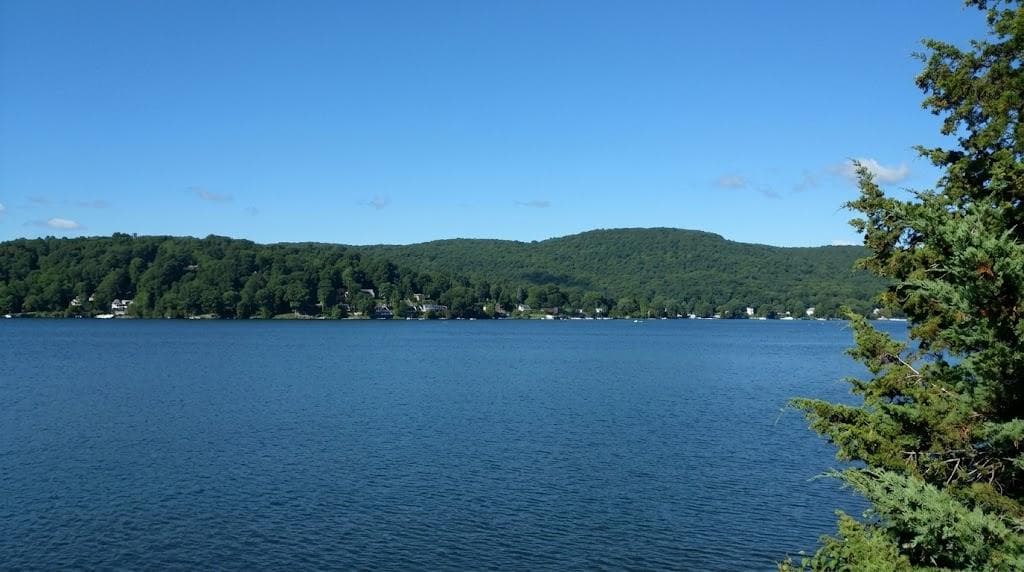
-
Underwater invasive plant struggle defined the environmental landscape when Connecticut’s largest lake officially opened on September 29, 1928, following initial project approval on July 15, 1926, establishing a strategically vital energy resource for the region.
-
Environmental authorities implemented rigorous water management controls to combat Eurasian watermilfoil, an invasive plant species that arrived during the 1970s and eventually dominated 80% of the aquatic plant mass.
-
Specialists from the Candlewood Lake Authority and the Connecticut Department of Energy and Environmental Protection continue monitoring aquatic species populations after workers removed 460 sterile grass carp within a single year.
The water body historically known as Candlewood Lake, Connecticut’s largest lake, faced a drastic environmental metamorphosis when an invasive plant surge deeply altered its ecological history, as the arrival of Eurasian watermilfoil during the 1970s completely transformed this 5,400 acre reservoir that originally submerged vast stretches of neighborhoods and farmland for hydroelectric power generation.
Consequently, this underwater invasion reshaped the region’s historical narrative and forced state authorities to deploy aggressive biological control measures, given that unwanted aquatic weeds eventually occupied 80% of the reservoir’s plant cover, hindering navigation while directly impacting the natural balance of the ecosystem.
Biological control strategies in Connecticut’s largest lake
Local officials attempted to eradicate the dense weed growth through winter water drawdowns, exposing invasive plant beds to freezing seasonal temperatures while experts evaluated alternative methods to protect native wildlife. Additionally, the Connecticut Department of Energy and Environmental Protection introduced 8,903 sterile grass carp between 2015 and 2017 to address the ongoing underwater invasive plant struggle, although the procedure caused a severe ecological imbalance that eliminated nearly all native plant species across the aquatic system by 2022.
In parallel, environmental monitoring teams initiated the removal of herbivorous fish in 2023 to restore natural habitats for aquatic organisms, extracting 460 individual carp within 12 months while the Candlewood Lake Authority intensified preventive vessel inspections at public boat launches. Meanwhile, public reports published in August 2026 confirmed reproductive populations of invasive zebra mussels, forcing environmental scientists to maintain strict surveillance over overall water quality and cyanobacteria blooms.
Environmental mitigation and the ongoing fight
-
Historical and geographic details of Connecticut’s largest lake: Electric utility executives approved the hydroelectric project on July 15, 1926, ultimately flooding the historic settlement of Jerusalem, dense forests and active neighborhoods and farmland across the Rocky River valley before workers completed construction on September 29, 1928, across 5,400 acres in Fairfield and Litchfield counties, solidifying the reservoir as the most expansive body of water in both Connecticut and the greater New York metropolitan area.
-
Hydroelectric system operations: The operational infrastructure pumps water from the Housatonic River directly into the elevated reservoir before releasing it downstream to generate renewable electricity, a process that FirstLight Power actively manages today.
-
Key biological impact figures and underwater invasive plant struggle: Eurasian watermilfoil covered 80% of total aquatic vegetation during the 1970s, whereas the introduction of 8,903 sterile carp eradicated native flora by 2022; following the removal of 460 carp in 2023, field surveys in 2024 detected remaining watermilfoil clusters in only 3 small sectors of the reservoir.
-
Sanitary monitoring and emerging species: The Candlewood Lake Authority and state conservation officers conduct routine vessel checks to prevent the introduction of hydrilla, carefully monitoring nutrient concentrations and blue-green algae levels to safeguard public health.
Simultaneously, the iconic reservoir maintains its operational and historical significance nearly a century after its official inauguration, standing as a persistent challenge for modern ecological management, as preserving its biodiversity requires continuous collaboration between public agencies and scientific institutions; Candlewood Lake, Connecticut’s largest lake, remains under strict conservation protocols to ensure long-term environmental stability across its waters.
