

WATCH NOW
Watch on the app



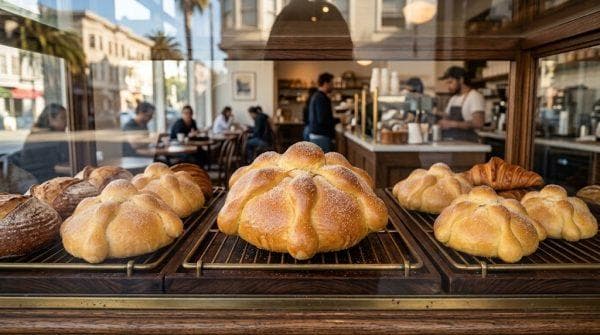










Pan de muerto is bringing a taste of Mexico to U.S. stores and here’s how much it costs
-
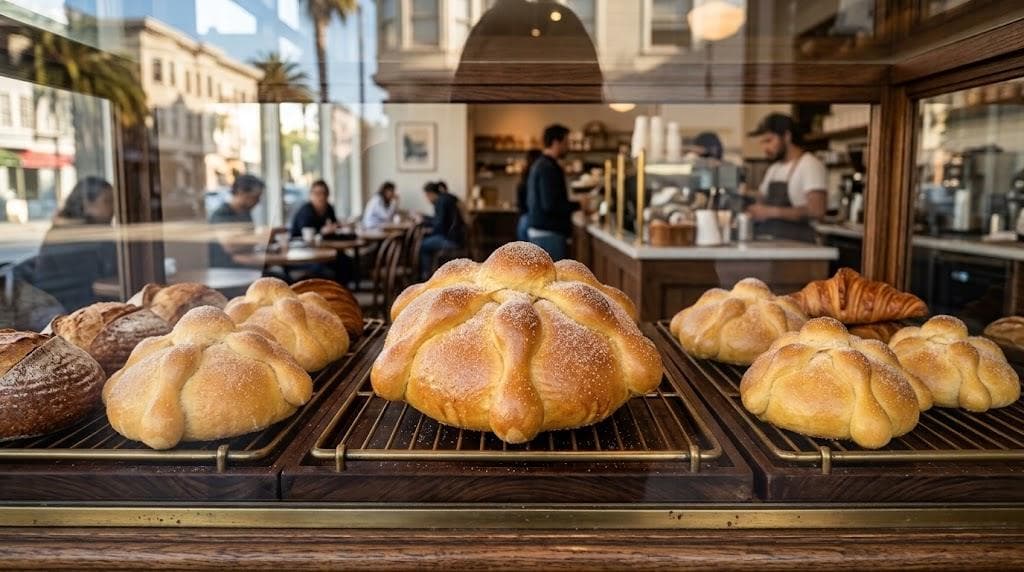
Taste of Mexico to US stores arrives across major supermarket chains during the autumn season as a cultural movement for the Hispanic community.
-
Commercial bakeries offer diverse varieties of handcrafted sweet breads with accessible prices starting at $1.50 per individual unit.
-
Growing culinary demand stimulates national distribution networks for traditional baked goods from Portland to Texas through multiple retail formats.
The commercial food market confirms that pan de muerto brings Latino cultural traditions closer to millions of households residing across US territory; consequently, supermarket chains and local bakeries deployed a specialized supply network for the festive season, allowing shoppers to purchase these handcrafted items at competitive prices starting at $1.48 per small piece and $3.98 for 3 piece packages at H-E-B stores, alongside $1.50 individual pieces at Miranda’s Bakery in Portland, Oregon.
Accordingly, inventory reports from major retail corporations like Walmart demonstrate high product turnover for 2 piece packages under the Freshness Guaranteed brand at $3.97; moreover, regional Hispanic chains sell special family packages ranging between $5.99 and $8.99, ensuring widespread access to fresh baked goods for local community celebrations.
Commercial growth and pan de muerto demand
The expansion of traditional Mexican baking consolidates its presence on US retail shelves throughout October, bringing a taste of Mexico to US stores and responding directly to increased consumer demand for altar offerings; for this reason, specialty establishments in San Antonio handle advance orders for family loaves between $25 and $27.50, while 6 piece mini packages range from $25 to $30 according to market coverage by The Dallas Morning News.
Similarly, local bakeries across the Dallas, Fort Worth metropolitan area list individual prices between $3 and $5 per piece; therefore, price variations reflect differences in artisanal production techniques and quality ingredients, allowing families to select the most suitable choices for their seasonal budgets.
Ver esta publicación en Instagram
Consumer recommendations and taste of Mexico to US stores
-
Inventory confirmation: Checking online catalogs or calling local store branches before traveling ensures accurate stock availability and current pricing.
-
Quality and ingredient evaluation: Comparing mass produced supermarket items against artisanal pan de muerto pieces highlights distinct traditional recipes and decorative toppings.
-
Digital ordering platforms: Reviewing estimated delivery dates and product preservation guidelines on services like Goldbelly guarantees safe nationwide shipping for 12 piece packages priced at $89.95, delivering a taste of Mexico to US stores.
-
Selection based on usage: Purchasing affordable retail packages fits everyday personal consumption while larger handcrafted loaves suit traditional altars and family gatherings.
Loading video...Loading Video
Nationwide shipping and access to traditional gastronomy
On the other hand, digital sales channels enable e-commerce platforms to ship freshly baked goods to any region across the country, ensuring that every shipment brings a taste of Mexico to US stores; in fact, nationwide delivery options ensure that families living far from Hispanic urban centers receive authentic holiday items directly at their doorstep.
Ultimately, the wide variety of available choices preserves rich culinary heritage without straining household finances; thus, retail distributors will maintain active seasonal sales through early November and ensure complete availability of pan de muerto.
Historical origins and pan de muerto tradition
Historians from the National Institute of Anthropology and History (INAH) document that the origins of seasonal sweet bread stem from Mesoamerican rituals involving wheat offerings introduced during the Spanish colonial era; specifically, eighteenth century European baking techniques transformed ancient rituals into wheat based doughs infused with orange blossom water and anise seed to honor the deceased.
Furthermore, cultural anthropologists explain that the circular shape represents the cycle of life and death, while the raised central sphere symbolizes the human skull and side strips denote bones, serving as a symbolic bridge between ancestral heritage and modern holiday celebrations through pan de muerto.
Ver esta publicación en Instagram
