

WATCH NOW
Watch on the app













OpenAI wanted to build a $20 billion data center in Georgia but neighbors say they were left in the dark
-
Georgia data facility initiatives trigger major legal challenges as local residents confront corporate transparency breaches.
-
Advanced digital infrastructure projects require rigorous public oversight to prevent covert municipal agreements and zoning violations.
-
Community advocates demand strict accountability measures while major technology enterprises navigate escalating regulatory scrutiny.
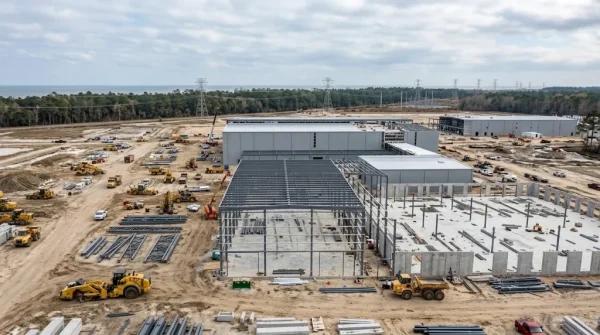
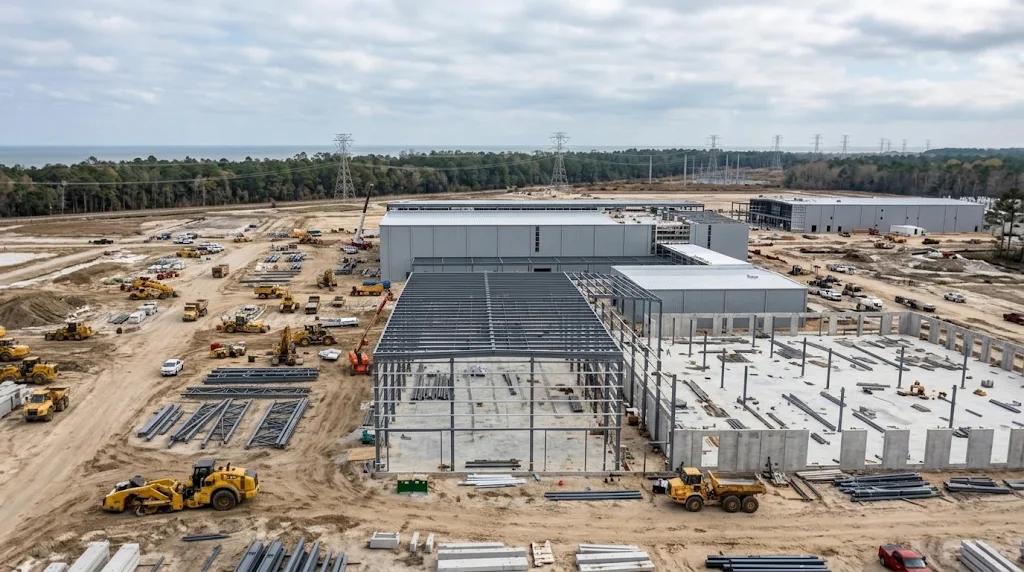
OpenAI wanted to build a $20 billion data center in Georgia, but neighbors say they were left in the dark after discovering Project Camellia, a massive infrastructure initiative spanning 4.4M sq ft across 1.440 acres, kept entirely secret until land acquisition was complete; furthermore, this formal lawsuit filed on Nov 6, 2026, highlights how accelerating OpenAI data center investments in regional areas bypass public hearings, leading to severe allegations of fraudulent concealment and civil conspiracy.
Initially, filings naming Octans GA and Savannah Industrial Development revealed that municipal officials including county administrator Tim Callanan signed non-disclosure agreements months before public announcements, while local leaders bypassed democratic oversight; additionally, plaintiffs demand a jury trial and punitive damages to address unauthorized zoning modifications implemented without community participation across the region.
OpenAI data center developments spark intense municipal controversy
High performance computing infrastructure proposals require extensive administrative approvals, although municipal authorities bypassed standard transparency protocols by approving the secretive venture behind closed doors; in fact, court records show that development director Brandt Herndon signed a confidentiality agreement with OpenAI months prior to public disclosure, proving that covert municipal planning places an unsustainable strain on local democratic processes, whereas the expanding Georgia data facility network continues to provoke widespread public debates.
Consequently, official board meetings utilized vague agenda items to secure unanimous approval for the venture, while land parcels were transferred under questionable financial terms; furthermore, local residents filed multiple lawsuits to challenge the legality of these proceedings, demonstrating how rapid technological expansion frequently collides with community governance rights within the expanding municipal landscape.
Georgia data facility projects face severe racketeering allegations
Addressing severe regulatory breaches identified in Effingham County, legal counsel Ben Michaud emphasized during court filings that municipal transparency remains non-negotiable for regional stability; specifically, the attorney explained that defending public oversight constitutes a fundamental right rather than a direct attack against technological innovation, proving that hidden corporate partnerships generate intense civic backlash and multi-count lawsuits involving state racketeering statutes, while broader concerns surrounding the OpenAI data center footprint persist.
Equally important, local community groups work to annul unauthorized zoning amendments that permit massive industrial server complexes without required public hearings, while additional legal actions led by regional watchdogs challenge open meetings violations; meanwhile, regional advocates demand comprehensive judicial reviews to protect municipal integrity across territories impacted by sudden technological investments throughout the county.
Legal challenges demand rigorous regulatory accountability
-
Lack of public consultation: Local governing boards approved municipal memorandums behind closed doors without notifying affected property owners about the Georgia data facility.
-
Questionable land transfers: Municipal authorities executed property deeds for multi-acre plots through secretive transactions with Savannah Industrial Development.
-
Undeclared conflicts of interest: Public officials like commission chair Damon Rahn failed to disclose professional ties to Georgia Power while voting on the digital venture.
-
Systemic governance failures: Affected communities demand independent legal audits to investigate OpenAI data center planning procedures.
As a result, hidden municipal agreements undermine public trust in digital infrastructure expansion; therefore, judicial oversight becomes essential to track how major technology enterprises manage regional development agreements across the state.
Community opposition challenges corporate secrecy standards
Environmental advocates and legal experts insist that digital expansion projects must comply with strict state open meetings laws to prevent administrative corruption; to this point, co-counsel Greg Gilluly maintained that governmental authority must originate from the informed consent of citizens rather than secret meetings between officials and corporations, emphasizing that institutional transparency serves as a foundational step toward protecting civic rights, while ongoing litigation scrutinizes every aspect of the Georgia data facility.
Simultaneously, local residents continue pursuing judicial mandates before superior court judge Michael Muldrew to invalidate secret land sales, ensuring that ongoing technological innovations never bypass democratic accountability or compromise regional governance standards regarding the OpenAI data center.
