

WATCH NOW
Watch on the app



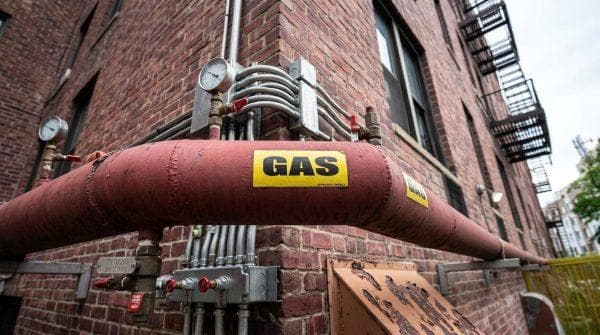






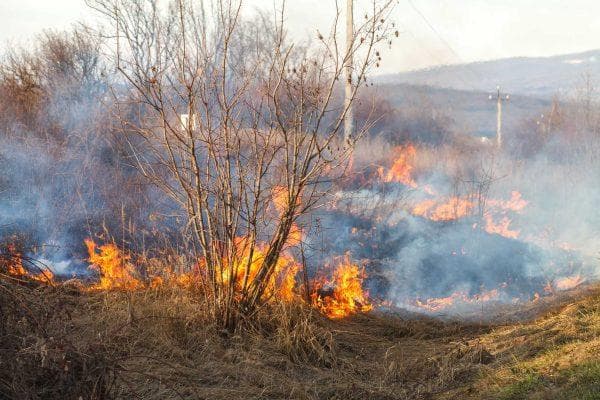



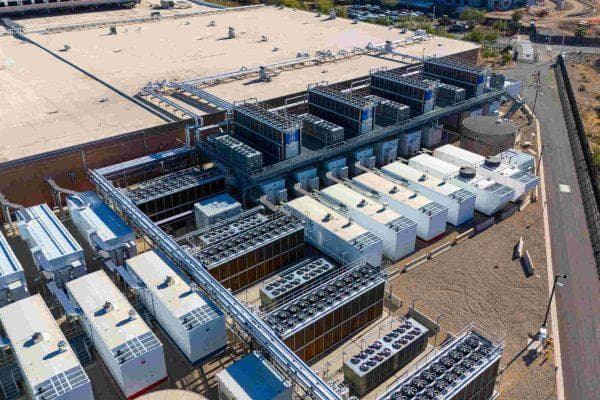
New York residents may be paying the price for a hidden problem with natural gas
-
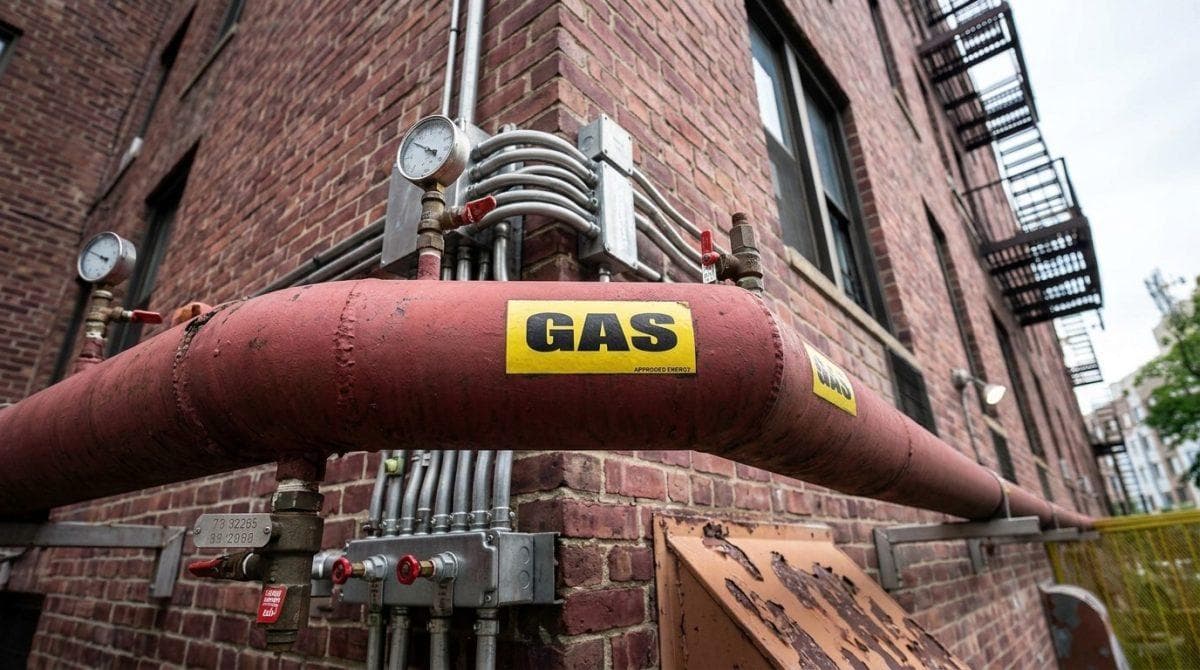
The problem with natural gas in local infrastructure forces consumers to pay for unutilized fuel that vanishes into the atmosphere.
-
Columbia University research estimates that local inefficiency wastes roughly $300M in unconsumed energy every year.
-
Incomplete combustion inside urban buildings drives a substantial portion of unburned fuel loss across the metropolitan area.
New York natural gas consumers pay for energy that appliances fail to utilize properly, squandering a resource volume worth an estimated $300M annually according to Columbia University research published via Gothamist; furthermore, researchers analyzed metropolitan atmospheric readings and revealed that unburned fuel losses account for 1.7% of total delivered methane, creating a system drain that extends beyond traditional street pipeline leaks because inefficient building appliances release unburned fuel intended for indoor heating or power generation.
Meanwhile, this regional financial calculation reflects wholesale waste rather than direct municipal budget deficits or individualized monthly bill markups, as scientists based these projections on retail prices and field measurements collected throughout 2023 and 2024; consequently, regional emission patterns highlight systemic heating inefficiencies across thousands of residential buildings without confirming specific household billing overcharges or determining individual account errors.
Financial estimates and research methodology for New York natural gas
The scientific journal Atmospheric Chemistry and Physics published these findings on September 14, 2026, after Columbia University scholars examined air samples from the tri state region and compared regional atmospheric samples against bulk fuel distribution records sent across all 5 city boroughs and northeastern New Jersey to analyze this persistent problem with natural gas.
Air sensors identified incomplete combustion signatures as the primary indicator of escaping fuel, demonstrating that focusing exclusively on underground pipe fractures overlooks how inefficient heating systems waste purchased fuel inside modern high rise apartments and residential units, which proves that addressing atmospheric emissions requires shifting policy focus toward internal appliance combustion quality.
Highlighting this core finding, doctoral student and lead author Yuwei Zhao emphasized the exact operational shift needed:
“This study shifts the focus from underground pipe leaks as a source of methane emissions to how natural gas is used in buildings, particularly the efficiency with which appliances burn it.”
Incomplete combustion mechanisms and the problem with natural gas
Aging appliances burn fuel partially during incomplete combustion cycles, allowing unspent gas to escape into ambient air after scientists distinguished raw pipeline leaks from appliance exhaust by measuring precise ratios of methane, ethane and carbon monoxide, while Columbia University Associate Professor and study coauthor Róisín Commane noted that escaping fuel represents a major financial waste across the metropolitan heating network as experts tackle this systemic problem with natural gas.
Researchers tracked hourly measurements using a National Institute of Standards and Technology tower in Mineola, Long Island, combining intensive sampling campaigns with atmospheric transport models to evaluate air moving from Manhattan and western Long Island carried by prevailing westerly winds, which revealed that emission levels peaked during winter heating months and surged unexpectedly during midsummer cooling cycles.
Likewise, gas powered cooling systems operating in large commercial structures explain the summer emission surge, prompting Commane to observe that monitoring methane emissions requires year round tracking because waste persists continuously past the cold season.
Environmental consequences and safety measures
Methane releases aggravate global warming while worsening urban ozone formation during humid summer months, especially since the US Environmental Protection Agency reports that methane impacts global temperatures 28x more than carbon dioxide over a 100 year horizon; moreover, incomplete combustion releases carbon monoxide, which prolongs methane longevity while generating ground level ozone under sunlight exposure, creating a grave health hazard linked to this problem with natural gas.
Elevated ozone levels trigger severe coughing spells and exacerbate chronic asthma in children, as documented by the New York City Department of Health, though property owners can mitigate these risks while remaining vigilant regarding emergency protocols through strategic steps:
-
Routine maintenance: Con Edison advises scheduling regular heating and ventilation maintenance with certified professionals to evaluate burner efficiency and relocate gas appliances safely.
-
Immediate evacuation: Residents smelling gas, hearing suspicious hissing noises or suspecting a leak must evacuate immediately with all occupants.
-
Strict emergency prohibitions: Evacuating residents must avoid using phones, flipping light switches, touching doorbells, operating appliances or lighting flames inside the affected area.
-
Emergency communication: Calling 911 or Con Edison at 1-800-752-6633 from a safe outdoor location secures rapid utility response, while National Grid customers in the city can dial 1-718-643-4050.
-
Operational emergency distinction: Residents smelling gas must never wait for routine maintenance inspections or submit general service requests to address an urgent problem with natural gas leaks.
-
Detector awareness: Carbon monoxide detectors do not automatically identify leaks of New York natural gas unless product labeling explicitly certifies combined combustible gas detection capabilities.
Accordingly, understanding energy efficiency helps consumers distinguish long term equipment maintenance goals from immediate safety responses, ensuring proper usage and safety protocols regarding New York natural gas.
