

WATCH NOW
Watch on the app











Tesla’s flying car dream looks closer than ever but the biggest question remains
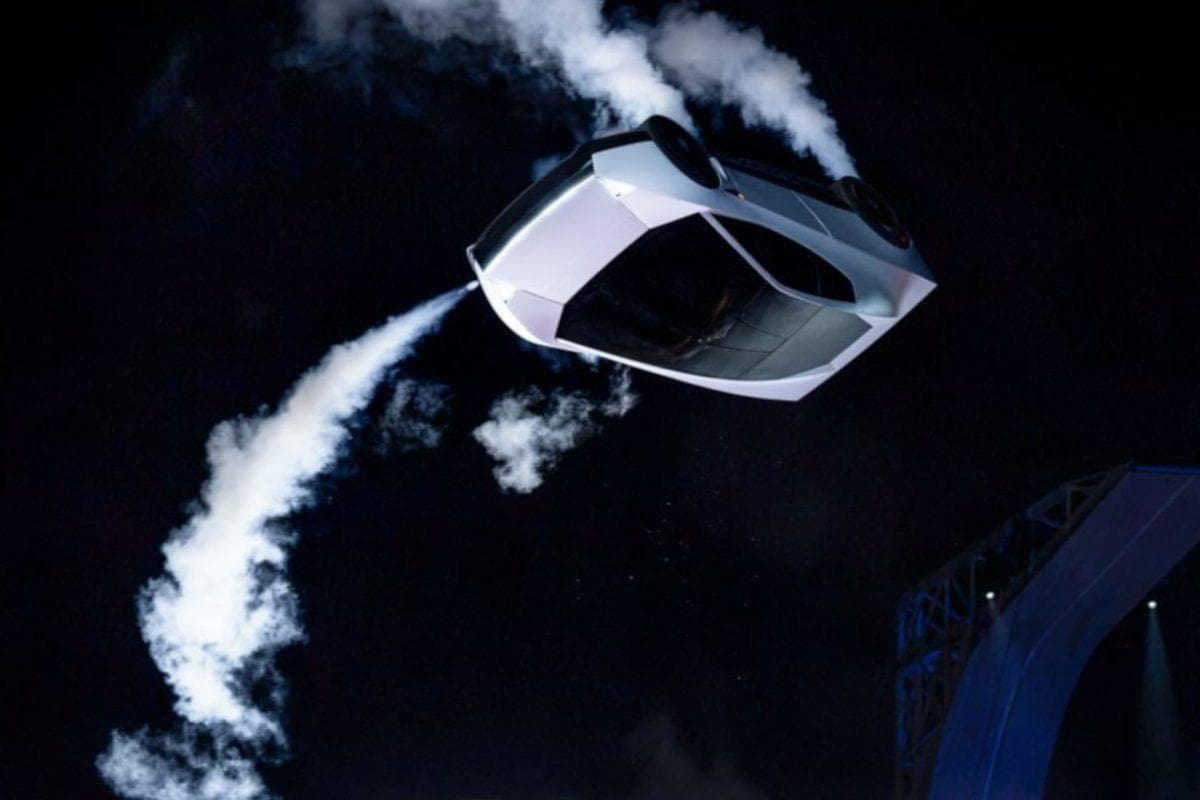
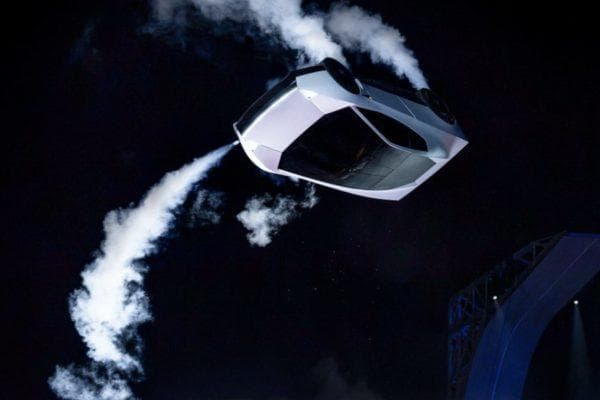
- Elon Musk dazzled with a demonstration of the Roadster, the new Tesla flying car, using air thrusters at the SpaceX facility in Texas.
- The sports car promises to accelerate from zero to sixty miles per hour in less than a second thanks to high-pressure air tanks.
- Aeronautical experts harbor a major question mark and challenge whether the vehicle will achieve sustained flight or remain limited to spectacular hops.
The futuristic spectacle challenging the boundaries of automotive and aerospace engineering
Marking a milestone within the tech industry, the presentation of the Tesla flying car spearheaded by Elon Musk in Texas left attendees amazed after witnessing maneuvers that seemed plucked straight from science fiction, as during the demonstration held at the SpaceX testing facility, the driverless new Roadster sports car surprised the audience by using an underbody suction system to climb a steep ramp, hang upside down, and shoot into the air while performing a mid-air flip before landing via powerful ultra-high-pressure air thrusters. Furthermore, this innovative concept seeks to blend the best of automotive engineering with rocket propulsion technology, also allowing the vehicle to leap over a row of parked production models and reach sixty miles per hour in a record-breaking time of under a second.
Technical doubts and expert debate over true flight capability
Despite the massive media splash generated during the live showcase, the technical viability of the Tesla flying car pushed forward by Elon Musk sparks serious questioning and a major question mark among vertical aviation and ground transportation specialists. In fact, experts from the Smithsonian’s National Air and Space Museum point out that combining the heavy safety features of a road car with the extreme lightness required by an aircraft proves exceptionally complex and costly, suggesting that the prototype showcased for the Roadster might remain restricted to executing small acrobatic hops rather than accomplishing sustained aerial travel. In much the same way, executives from emerging eVTOL technology startups warn that the most grueling hurdle is not taking off, but rather achieving a stable transition from vertical climb to forward motion without losing aerodynamic lift mid-air.
Ver esta publicación en Instagram
The major question mark surrounding market arrival and automotive future promises
Keeping tech enthusiasts and the broader community across The United States in suspense, the commercial viability of the Tesla flying car poses the major question mark of whether this dazzling promise will turn into functional transportation or a project delayed by years. Although Elon Musk’s company set a target to begin mass production of the Roadster by 2028, the brand’s historical track record regarding deadline fulfillment prompts caution among automotive industry analysts. In conclusion, while technology moves forward at a breakneck pace and thousands of fans celebrate having witnessed a historic live demonstration in person at the SpaceX testing facility in Texas, the industry waits to see if the Roadster can overcome stringent regulatory and physical hurdles to ultimately conquer the skies.
Ver esta publicación en Instagram
