

WATCH NOW
Watch on the app



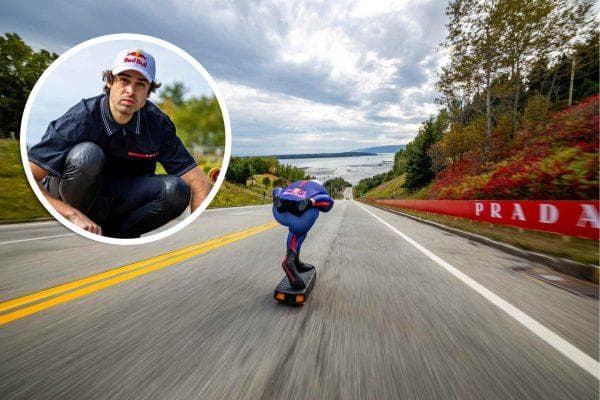









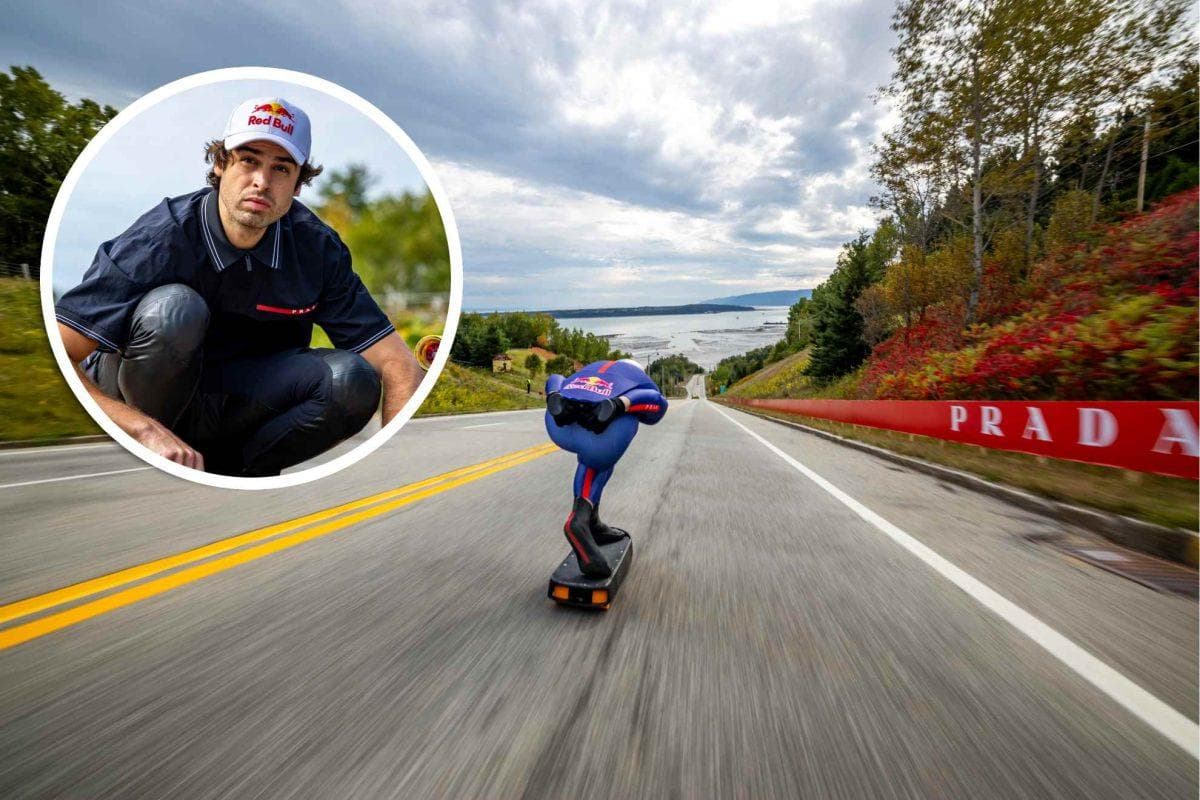
Red Bull athlete Diego Poncelet becomes the fastest skateboarder in history reaching 151.83 km/h
-
Spanish athlete Diego Poncelet established an official Guinness World Records title at 151.83 km/h.
-
The historic run took place down an eighteen percent incline in the Charlevoix region of Quebec.
-
Advanced wind tunnel testing and specialized aerodynamic gear made the record breaking speed possible.
Downhill skateboarding reached an unprecedented milestone as Spanish Red Bull athlete Diego Poncelet officially established the Guinness World Records title for the fastest skateboard speed achieved in a standing position. Descending the steep curves of Route du Port in Les Éboulements, Quebec, the twenty seven year old two time world champion reached an astounding top speed of 151.83 kilometers per hour (94.34 miles per hour). This monumental achievement shattered existing speed barriers, cementing his status as the fastest skateboarder in human history.
Ver esta publicación en Instagram
Engineering precision, aerodynamic research and extreme physical preparation
Breaking the historic 150 km/h barrier required a multi year collaborative effort integrating sports science, aerodynamics, advanced meteorology and tailored equipment engineering. Poncelet trained extensively in a Geneva wind tunnel to refine a tight crouched posture capable of maintaining stability against extreme airflow resistance. Working alongside luxury athletic developers like Prada Linea Rossa, the athlete utilized custom 3D knit footwear and a textured speed suit featuring an integrated back spoiler designed to minimize aerodynamic drag during high speed momentum.
Navigating extreme forces and honoring a legendary sporting legacy
Executing the record run required absolute precision along a 2.2 kilometer course featuring an eighteen percent gradient descent. Operating in a tight aerodynamic tuck where visibility was severely limited, Poncelet relied on spatial memory and instincts to navigate straightaways and subtle road contours. Beyond pushing the physical limits of human performance, the historic descent served as a personal tribute to the late British downhill skater Pete Connolly, who held the previous world record on the very same Canadian hill and inspired Poncelet to pursue the speed milestone.
Ver esta publicación en Instagram
The convergence of extreme sports and advanced engineering
Reaching speeds previously reserved for motorized vehicles highlights the evolving relationship between elite athletic skill and applied sports science. Through meticulous weather monitoring, aerodynamic testing and specialized gear manufacturing, modern extreme sports continue pushing performance boundaries, proving that meticulous preparation can safely transform visionary athletic goals into historic reality.
