

WATCH NOW
Watch on the app













New York City is giving 12 neighborhoods a new chance at affordable housing
-
New York affordable housing stands at the forefront of municipal policy as authorities accelerate construction across 12 districts to reduce the accumulated housing deficit.
-
The Department of Urban Planning implements a simplified review process for affordable residential spaces starting on January 1, 2027.
-
Economic analysts evaluate the territorial distribution of rent-controlled residential complexes across the 5 New York boroughs.
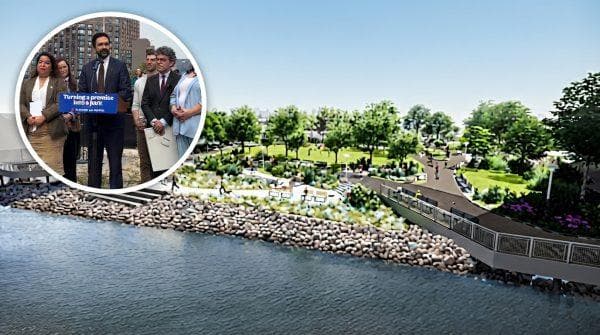
New York affordable housing initiatives take center stage when Mayor Zohran Mamdani and Department of Urban Planning director Sideya Sherman announce the acceleration of urban projects across twelve specific community districts during October, responding directly to low construction indices registered in the previous 5 year period. Municipal leaders seek to transform the real estate landscape through the simplification of bureaucratic procedures for new residential developments, establishing that the initiative officially begins on January 1, 2027, under the regulatory framework of the Affordable Housing Fast Track program approved by local voters via structural municipal charter changes.
Government authorities detail that selected territories comprise approximately one-fifth of 59 New York community districts, yet concentrated merely 724 units out of 63,870 recently built rent-limited homes, evidencing significant geographic disparity in public and private real estate investment. New regulations modify customary administrative review timelines without eliminating mandatory public consultations or environmental protections, ensuring that developers strictly comply with current urban parameters prior to initiating any physical work in designated neighborhoods, thereby expanding affordable residential spaces across the metropolis.
Selection criteria and New York affordable housing
Official planning encompasses diverse residential zones strategically distributed across 4 urban counties, excluding the Bronx due to construction indicators surpassing minimum thresholds established by municipal methodology during the evaluated period.
Administrators prioritize specific territories based on geographic equity metrics, analyzing historical production lows where housing output failed to meet proportional demographic needs and ensuring that every sector receives targeted investments destined to mitigate historical deficits accumulated in peripheral areas while updating the official list every 5 years with the next scheduled review in October 2031, thus fostering affordable residential spaces throughout the region.
Detailed list by boroughs
-
Brooklyn: Includes district 10 featuring Bay Ridge and Dyker Heights, district 12 encompassing Borough Park alongside Kensington and district 18 covering Canarsie and Flatlands, all designated for New York affordable housing development.
-
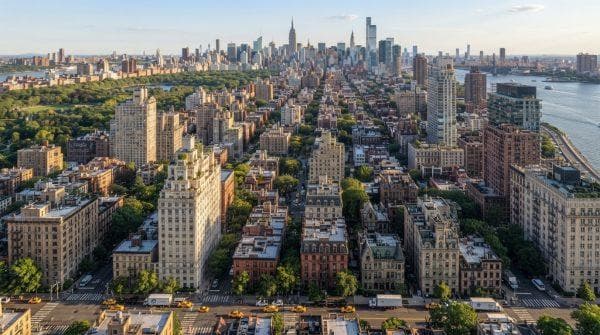
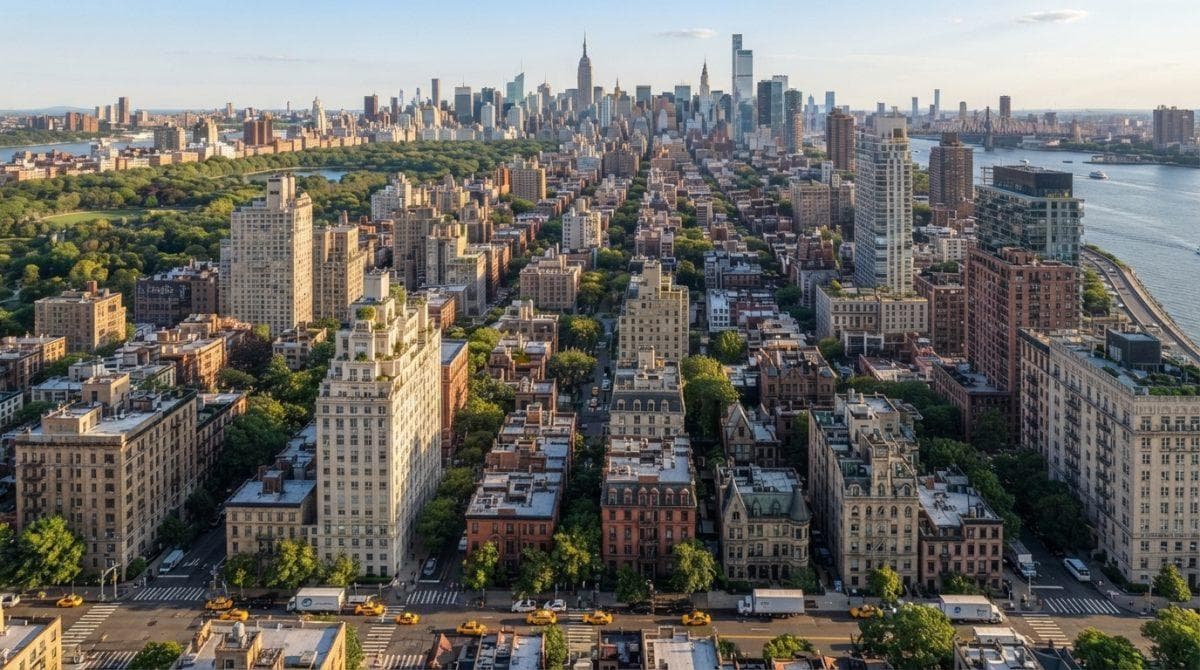
Manhattan: Comprises district 7 located in the Upper West Side and district 8 spanning the Upper East Side alongside Roosevelt Island.
-
Queens: Encompasses district 4 with Corona and Elmhurst, district 5 featuring Ridgewood, Maspeth and Middle Village, alongside districts 10, 11, and 13 in peripheral residential zones.
-
Staten Island: Integrates district 2 in Mid-Island and district 3 in the South Shore zone, completing the official map of the territorial measure.
Approval mechanisms and administrative safeguards
Real estate developers presenting housing initiatives under this special scheme utilize an expedited review process of approximately 90 days, replacing the complex traditional procedure known as ULURP that typically extends for several months of institutional paperwork.
Review procedures preserve community boards and borough president oversight while maintaining strict environmental evaluations and historic district protections, ensuring that properties do not transform automatically into apartment complexes without fulfilling strict zoning and affordable residential spaces development regulations.
Tenant eligibility criteria and affordable residential spaces
Municipal authorities firmly clarify that operational changes do not imply the automatic opening of new apartment lotteries nor generate immediately available units, demanding that interested citizens continue consulting the official portal NYC Housing Connect to apply for current opportunities of New York affordable housing.
Applicant eligibility depends directly upon total household income limits, family size composition and specific regulatory requirements established for each individual housing development across the metropolitan area, while officials emphasize that submitting applications through the digital portal remains completely free of charge and warn the public never to pay any individual or private company for lottery registration assistance concerning affordable residential spaces.
Ver esta publicación en Instagram
