

WATCH NOW
Watch on the app













Miami Beach billionaire’s private helipad plans hit a snag after wealthy neighbors push back
-
Billionaire helicopter project triggers intense scrutiny across local neighborhoods as municipal authorities evaluate municipal zoning permissions.
-
Residents express deep concerns regarding potential noise disruptions and diminished residential tranquility near exclusive waterfront properties.
-
Community stakeholders demand rigorous environmental evaluations before final authorizations proceed.
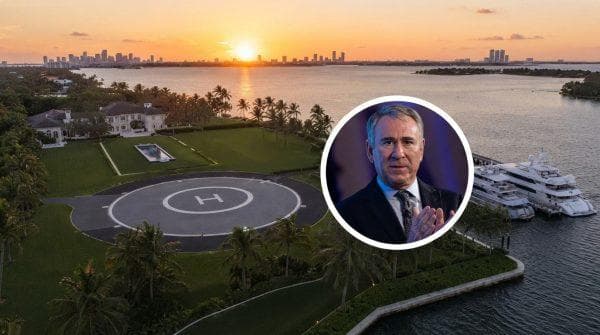
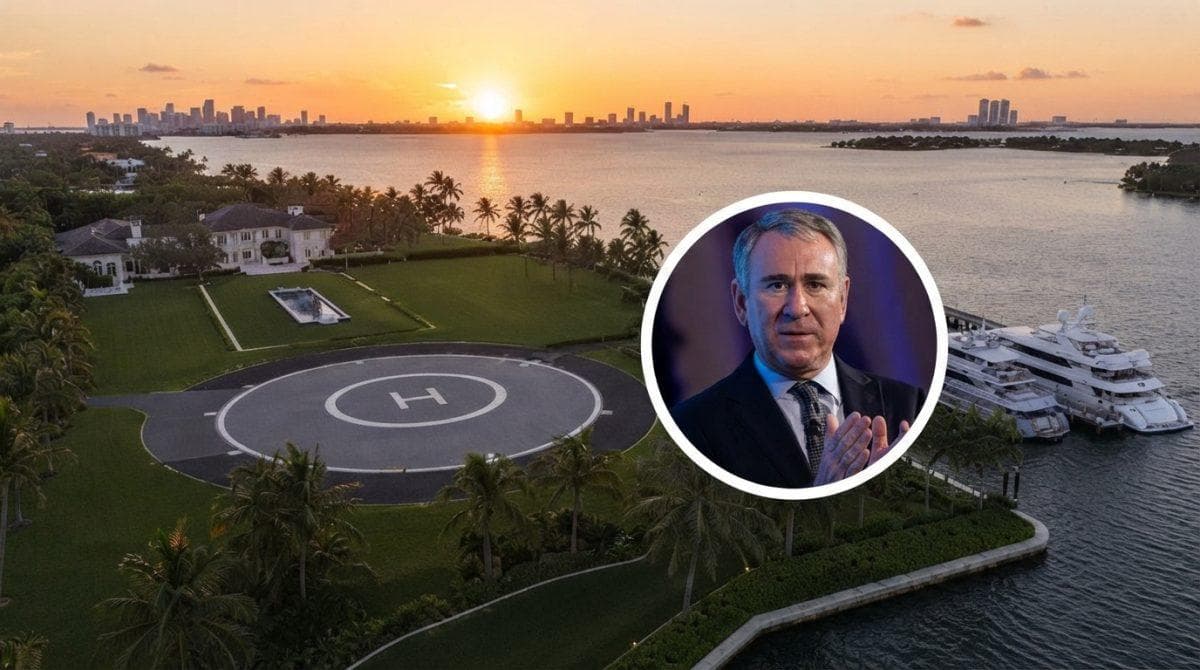
Ken Griffin advances private helipad plans across Miami Beach, where municipal planning boards evaluated controversial aviation infrastructure proposals during a packed administrative hearing on Tuesday, thereby establishing a crucial regulatory checkpoint for the maritime development.
Furthermore, local authorities granted a strategic one month extension until Nov. 3, affording development representatives adequate time to address community grievances regarding potential acoustic disturbances, ensuring that urban planning divisions maintain thorough public oversight throughout the entire legislative approval process.
Municipal evaluations and strategic zoning considerations regarding private helipad plans
Planning commissioners evaluated comprehensive architectural blueprints detailing the proposed aviation facility at Terminal Island during Tuesday’s legislative session, confirming that the controversial structure integrates directly into a 3.5-acre megayacht marina project situated at 120 MacArthur Causeway, designed specifically to accommodate Griffin’s superyacht; furthermore, municipal officials emphasized that urban growth mandates strict adherence to established noise abatement codes before any private aviation permits receive final ratification from the city commission.
Development representatives defended the infrastructure project by presenting specialized acoustic evaluations regarding the helicopter model planned for operation, arguing that the exact 13 seconds required for standard takeoff and landing sequences generate acoustic levels comparable to a normal conversation on a nearby apartment balcony; subsequently, legal counsels representing the billionaire investor maintained active dialogues with neighborhood associations to mitigate community anxieties, demonstrating how a Billionaire helicopter project impacts coastal zones while remaining fully compliant with regional environmental standards and recalling past philanthropic milestones such as Griffin’s historic $3B contribution announced with Carnegie Mellon University in Wynwood to underscore regional economic commitment.
Ver esta publicación en Instagram
Community opposition and residential concerns regarding the second phase
-
Organized neighborhood coalitions representing eight luxury waterfront condominium towers situated near MacArthur Causeway and south of Fifth Street formally petitioned municipal authorities to reject the aviation permit applications completely.
-
Affected residents expressed profound anxiety regarding potential property value depreciation and persistent rotor noise impacting the daily quality of life for roughly 2,000 local inhabitants.
-
Local advocates questioned whether municipal resources should accommodate private transportation facilities primarily serving a single corporate executive, with Yacht Club at Portofino representative Brian O’Brien explicitly asking committee members if public livability should be altered so Griffin can land closer to home.
-
Civic leaders demanded comprehensive independent noise testing before municipal boards authorize any structural modifications on Terminal Island, highlighting how Private helipad plans complicate urban expansion.
Property owners residing near the MacArthur Causeway organized robust opposition campaigns to contest the proposed aviation expansion, noting that Griffin already utilizes a helicopter landing pad on Watson Island, having completed 61 trips from there over the past year, while seeking the new Terminal Island site solely to optimize travel between Star Island, downtown Miami and Miami International Airport; consequently, district commissioner Joe Magazine advised project representatives and attorney Neisen Kasdin to conduct extensive community outreach sessions to resolve lingering disputes concerning neighborhood livability and environmental protection following an initial committee vote of 2 to 1 in September.
Civic participation reached unprecedented levels during recent municipal hearings, reflecting heightened public sensitivity toward private commercial developments along sensitive coastal zones, while urban planners balanced corporate infrastructure investments against the collective well-being of surrounding residential communities; moreover, municipal records indicate that ongoing negotiations remain fluid as stakeholders evaluate alternative transit solutions between Star Island and regional transit hubs, proving that managing a Billionaire helicopter project requires delicate balancing acts before the matter reaches the full City Commission.
Billionaire helicopter project and future regulatory milestones
-
Organized community forums continue monitoring every procedural update regarding aviation expansions.
-
Municipal evaluation teams assess independent acoustic measurements submitted by engineering consultants.
-
Regional transportation planners review alternative transit options across coastal municipal zones.
-
Local residential associations debate the broader implications of private helipad construction.
City planners scheduled the definitive administrative review for early November, ensuring that all interested parties retain sufficient opportunity to submit formal testimonies regarding the aviation expansion project, while regional transit authorities monitor the regulatory proceedings closely; additionally, municipal legal teams confirmed that the upcoming commission vote will determine the ultimate viability of the controversial Terminal Island helipad construction.
Pending legislative outcomes establish critical precedents for future private infrastructure approvals across coastal municipalities, signaling a shifting regulatory landscape where community consensus heavily influences commercial real estate developments, and proving that ongoing stakeholder negotiations shape the complex socio-economic impacts tied directly to Private helipad plans.
