

WATCH NOW
Watch on the app



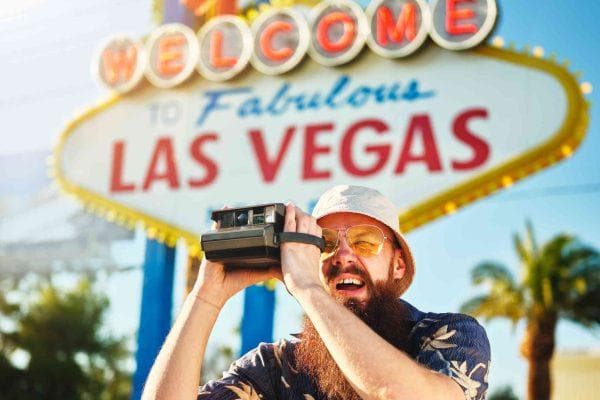








Las Vegas famous selfie spot has new rules that could land tourists in jail
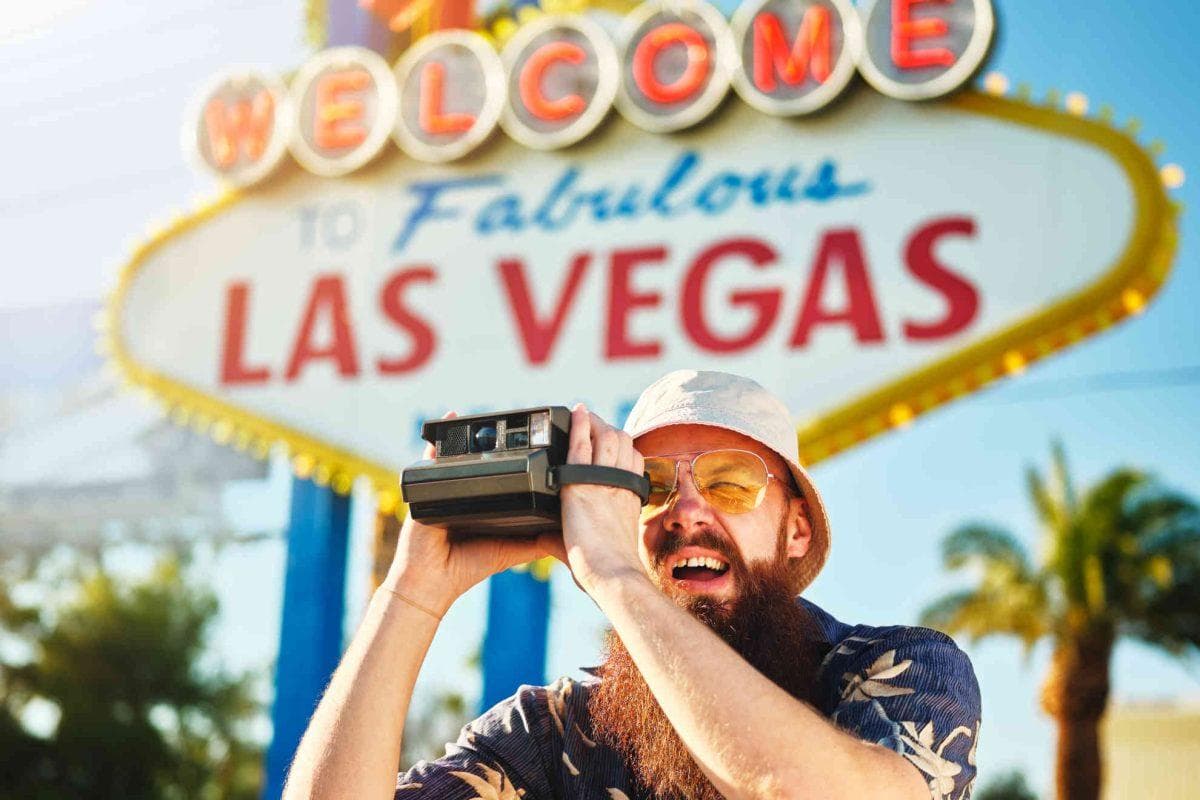
- Stopping to take a photograph on the elevated bridges and walkways of the Las Vegas Strip now represents a misdemeanor under the new rules, punishable by fines and even jail.
- A federal judge upheld the controversial municipal ordinance seeking to prevent stampedes amidst the constant increase in pedestrians driven by tourism.
- Visitors face severe penalties while the city attempts to recover international tourism volume.
Controversial walkway restrictions threatening to send careless visitors to prison
Transforming one of international entertainment’s most popular viewpoints into a strict pedestrian transit zone, local authorities in The United States put into effect harsh restrictive measures and new rules that penalize anyone choosing to stop on the elevated structures of the famous Las Vegas Strip. What used to be an obligatory stop for millions of travelers capturing the luminous skyline of casinos has now become an extremely dangerous legal ground, as the regulation ratified by federal courts considers any action disrupting the continuous flow of people on these bridges a misdemeanor. In this manner, police officers actively patrol these walkways and their surroundings to prevent people from remaining stationary, enforcing penalties that can reach up to six months in jail or one-thousand-dollar fines for those who breach these strict new rules.
Road safety arguments confronting heavy complaints over abuse and lack of accessibility
Likewise, these new rules in Las Vegas sparked a heated debate between civil rights advocates and police commanders regarding the true scope of the ordinance, as the enforcement of these regulations officially addresses fear among authorities of dangerous crowd crushes during massive events in the tourist corridor of Las Vegas. Furthermore, according to local police department spokespersons, the massive surge in travelers required clearing the zones connecting escalators and elevators to prevent severe emergencies before a tragedy occurs. For its part, the American Civil Liberties Union challenged the regulation, arguing that its overly broad wording criminalizes everyday tourism behavior, disproportionately affecting people with reduced mobility who need to rest periodically or tourists simply attempting to capture a quick memory under the new rules without wanting fines or jail time.
Impact on the tourist experience during a critical period for the local economy
On the other hand, coinciding with a worrying slowdown in international visitor and tourism numbers affecting the hotel industry, judicial confirmation of this ban and its new rules creates uncertainty among travelers planning their vacations to Las Vegas. Although discussion forums suggest the measure attempts to curb the prolonged presence of street performers on bridges and walkways, the lack of clarity regarding police enforcement criteria keeps anyone who fears getting unjustly slapped with fines or jail time over a simple photo capture on high alert. In conclusion, implementing these rigorous security measures poses a delicate balance between public order protection and enjoying iconic attractions, highlighting the hurdles facing the entertainment capital to remain attractive while enforcing its new rules.
Legal details and severe penalties for stopping in the zone
- Definition of pedestrian flow zones: Restrictions encompass all bridges along the resort corridor and a twenty-foot radius surrounding access points and stairways.
- Criminal penalties for violators: Remaining stationary on walkways is punishable by up to six months in county jail, a one-thousand-dollar fine, or both.
- Sole exception permitted: The ordinance only permits stopping for individuals queuing to access elevators or escalators for entering or exiting.
