

WATCH NOW
Watch on the app










Construction is America’s deadliest industry, and Latino workers face growing risks
-
Latino worker risks US prompt urgent calls for safety reform as a WSAT Law report reveals private construction recorded 1,034 fatal workplace accidents in 2024 despite a slight drop in the overall mortality rate.
-
NIOSH data confirms fatal accidents among Latino workers surged 90% between 2011 and 2019 across the United States.
-
Health agencies demand accessible training and safe reporting channels to ensure safety compliance does not depend on a worker’s native language.
Working on a construction site provides direct financial support for thousands of families but official statistics from NIOSH confirm that Latino laborers endure a disproportionate burden of fatal workplace injuries as construction leads workplace deaths across job sites nationwide.
In this sense, legal firm WSAT Law reported 1,034 fatalities in private construction during 2024, marking a 3.8% reduction from the 1,075 deaths recorded in 2023, while positioning private building projects as the industry claiming the highest number of Latino lives as the mortality rate dropped from 9.6 to 9.2 deaths per 100k full-time equivalent workers.
Construction leads in deaths at private sites
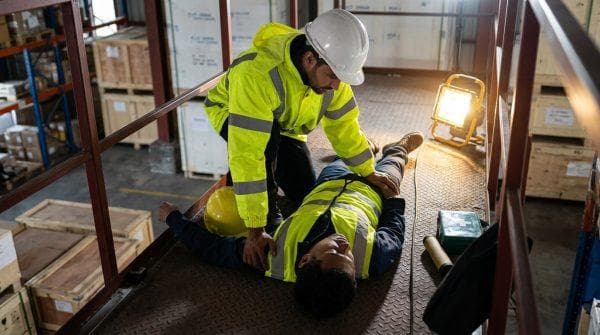
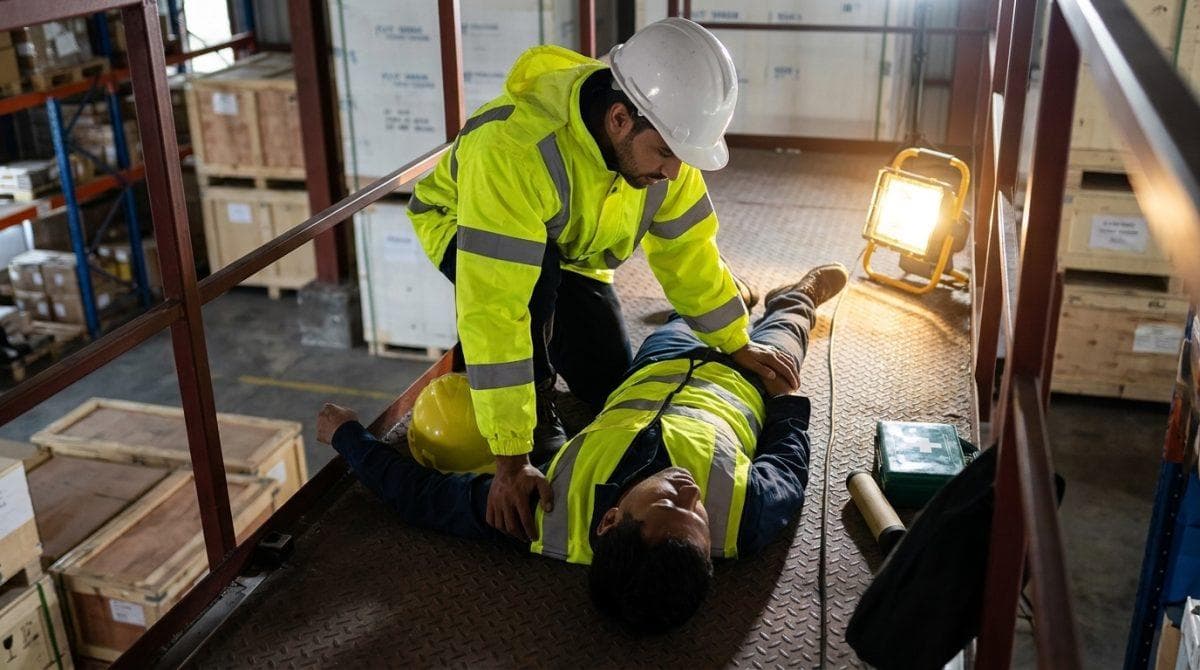
NIOSH specialists warn that falls from heights account for more than 36.4% of total construction deaths, standing as the primary hazard for crew members performing tasks on roofs, platforms or scaffolding without proper fall protection equipment, which significantly escalates Latino worker risks US on commercial projects.
On the other hand, federal safety assessments highlight heavy machinery operations and material handling as major risk factors driving daily workplace emergencies, showing how unmitigated hazards compound Latino worker risks US across active job sites:
-
Construction leads workplace deaths when employers fail to address Latino worker risks US through proper fall arrest systems and safety gear.
-
Severe impacts from falling tools, heavy materials or overhead objects frequently cause traumatic injuries on unmonitored job sites.
-
Unsafe scaffolding setups lacking essential guardrails and protective barriers create severe hazards for crews working at extreme heights.
-
Electrocution hazards from contact with uninsulated high-voltage power lines pose immediate threats to crew members on active sites.
Loading video...Loading Video
Vulnerability factors driving nationwide fatalities
Historical NIOSH statistics indicate that Latino workers represented 28.6% of the construction workforce in 2019, significantly exceeding their 16.4% share of the overall United States labor force during the same period, a disparity that directly amplifies Latino worker risks US in dangerous trades.
Likewise, the same agency documented that fatalities among Latino construction workers rose approximately 90% between 2011 and 2019, exposing a persistent safety gap fueled by a lack of Spanish-language training, ill-fitting protective equipment, and limited safety programs among smaller contractors that systematically increases Latino worker risks US.
Structural shams in protecting Latino workers
Effective prevention requires enforcing workplace standards so that safety measures never depend on a worker’s language or employer size, especially in commercial projects where construction leads workplace deaths and unresolved issues continue heightening Latino worker risks US.
Additionally, state authorities in New York report high numbers of construction fatalities involving a majority of Latino victims, underscoring the urgent need for clear communication and accessible training without fear of workplace retaliation to effectively curb Latino worker risks US.
Ver esta publicación en Instagram
Mandatory prevention protocols to save lives
Public health institutions urge employers to perform thorough pre-job site inspections and deploy adequate fall arrest systems before starting work shifts, which serves as a vital strategy to mitigate Latino worker risks US across all sectors.
Consequently, the industry must commit to identifying workplace hazards early to protect human lives, guaranteeing that every laborer returns home safely to address the critical reality where construction leads workplace deaths and permanently eliminate systemic Latino worker risks US.
Ver esta publicación en Instagram
