

WATCH NOW
Watch on the app




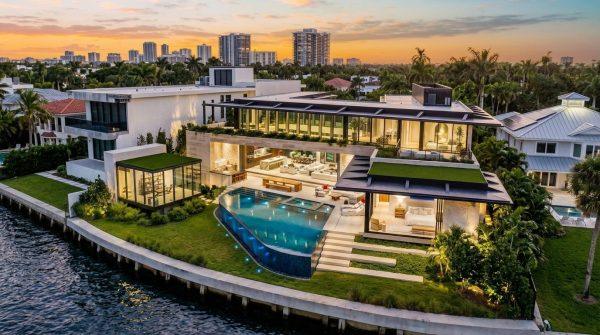



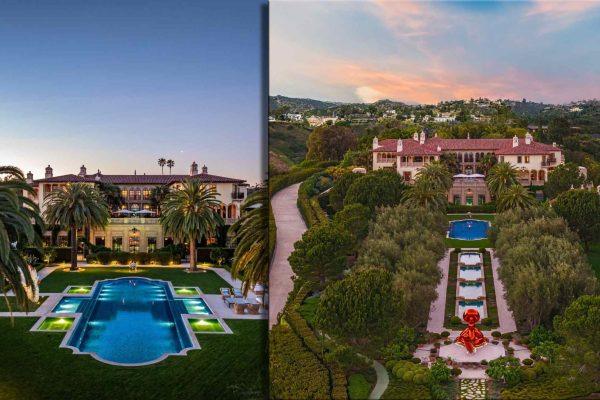
Los Angeles’ richest neighborhoods are watching their mansions get torn down to make way for megamansions
-
Severe land shortages in elite enclaves like Bel Air and Beverly Hills are driving developers to bulldoze multimillion dollar homes for massive megamansions.
-
High net worth buyers and tech billionaires fuel a speculative building spree across the Westside, multiplying ultra luxury estates priced above $25 million.
-
The sweeping transformation sparks intense community backlash over urban congestion, environmental disruption and the loss of historic architecture.
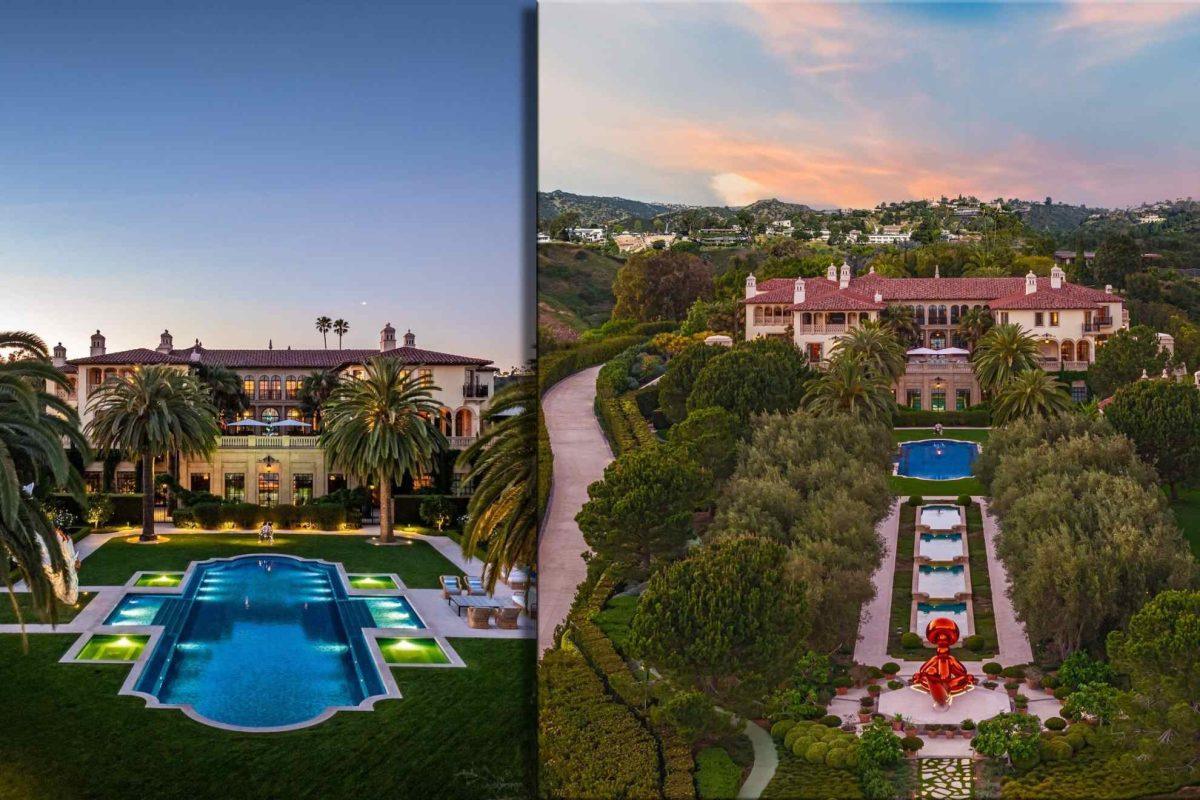
Across the most affluent residential pockets of Los Angeles, luxury real estate dynamics have shifted toward a striking new paradigm driven by unchecked wealth concentration. Instead of simply trading high end properties, developers routinely acquire multimillion dollar estates for the sole purpose of leveling them entirely to construct sprawling, ultra modern compounds. This aggressive trend is fueled by an acute scarcity of vacant land in premier locations such as Bel Air, Holmby Hills, Brentwood, and Beverly Hills, forcing investors to demolish existing structures to build larger, hyper private residential compounds tailored to global billionaires.
Ver esta publicación en Instagram
The exponential surge of the ultra luxury Westside market
County records compiled by data journalism organizations highlight a dramatic expansion at the absolute summit of the Southern California housing market. Over the past decade, the number of residential properties valued above twenty five million dollars across seven Westside communities surged from fifty nine to more than three hundred. High profile acquisitions by major figures such as Amazon founder Jeff Bezos, former Google CEO Eric Schmidt and Coinbase CEO Brian Armstrong illustrate a relentless cycle where ultra affluent buyers continuously upgrade or replace existing luxury infrastructure with colossal architectural statements.
Streamlined development advantages and monumental scale
Purchasing an existing urbanized lot rather than raw land provides distinct operational advantages, including established zoning permits, utility connections and prior environmental clearances that significantly reduce administrative friction. This shortcut allows speculative developers to focus their capital entirely on executing massive building plans within well established neighborhoods. Prominent examples include sprawling estates featuring subterranean twenty car garages, rooftop sports courts and massive waterfalls, while extreme projects tied to foreign royalty in Bel Air have targeted asking prices as high as four hundred million dollars.
Ver esta publicación en Instagram
Financial speculation risks and growing neighborhood friction
Despite the allure of massive financial returns in a booming high end sector, speculative development, where roughly three quarters of projects launch without a pre-secured buyer, carries severe financial exposure. Cost overruns, high debt financing and shifting market demand can lead to catastrophic failures, occasionally forcing distressed luxury properties into bankruptcy auctions at steep discounts. Concurrently, this relentless wave of demolition faces fierce opposition from local residents and preservation groups who argue that oversized builds ruin neighborhood character, strain local infrastructure and erase Los Angeles architectural history.
Cover photos from: @luxaticinc