

WATCH NOW
Watch on the app






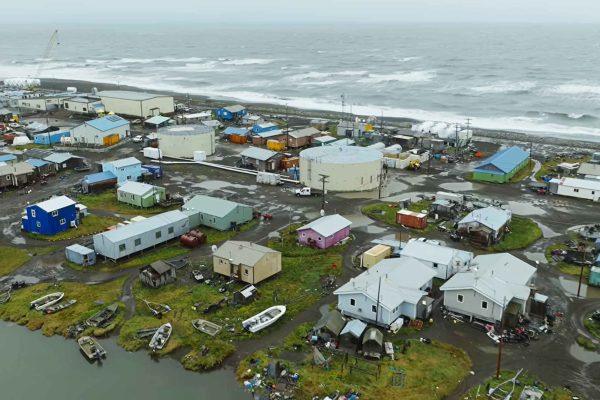







Entire Alaska town of 400 people is being swallowed by the ocean leaving residents trapped on every side
-
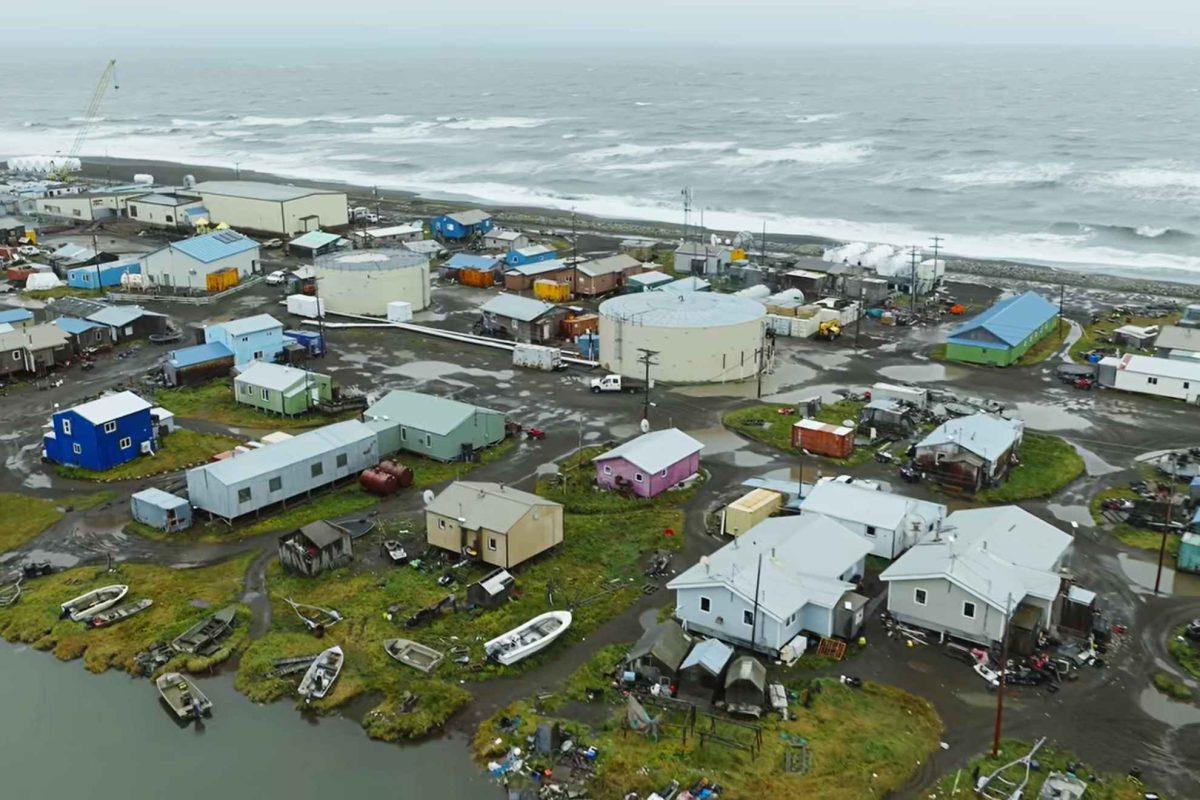
The remote Inupiat village of Kivalina in Alaska faces total disappearance as severe coastal erosion and rising sea levels devour the island.
-
Rapid Arctic warming has eliminated protective winter sea ice, leaving local homes exposed to violent ocean storms from the Chukchi Sea.
-
Residents remain deeply divided between relocating seven miles inland to higher ground or refusing to abandon their ancestral homeland.
The isolated coastal community of Kivalina, perched precariously on a narrow barrier island separating a lagoon from the Chukchi Sea in Alaska, is fighting a losing battle against the encroaching ocean. Home to roughly four hundred Indigenous Inupiat residents, the village faces the terrifying reality of being completely swallowed by rising waters and relentless shoreline erosion. Documented during an eye opening visit by popular digital creators, the crisis has forced local authorities and families to prepare for an unprecedented relocation seven miles inland toward Kisimigiuktuk Hill in order to escape increasingly violent coastal storms.
Disappearing Arctic sea ice strips away vital natural protection
For centuries, Kivalina relied on thick winter sea ice to serve as a sturdy natural barrier against ferocious ocean waves while enabling safe snowmobile travel to the mainland. However, rapid warming across the Arctic region has drastically shortened the freezing season, causing protective ice shields to form much later and melt far earlier each year. Left completely defenseless against heavy swells, the island suffered catastrophic land loss during major storms, prompting the construction of a massive rock seawall alongside an emergency evacuation road and bridge completed in 2020 to buy precious time for the endangered settlement.
Deep community divide over abandoning ancestral homeland
Despite grim engineering warnings indicating that the island would become uninhabitable by 2025, local villagers remain deeply torn over leaving their cherished heritage behind. While many families acknowledge the stark reality of living in 2026 amid constant flooding threats and appreciate having a permanent escape route to higher ground, longtime residents like Janet and her brother Reppi steadfastly refuse to leave. Expressing concerns over swampy terrain at the proposed relocation site and fiercely defending their lifelong bond with the coast, these determined locals embody the painful human cost of forced climate migration.
Ver esta publicación en Instagram
An urgent race against time on the front lines of global warming
The heartbreaking predicament unfolding in Kivalina stands as a stark reminder of how accelerating environmental shifts are actively reshaping human geography today. Even though modern infrastructure improvements and reinforced rock barriers have temporarily slowed the ocean advance, everyone acknowledges that artificial defenses cannot hold back the sea indefinitely. Ultimately, the resilient residents of this tiny Alaskan outpost face an agonizing choice between safeguarding their physical survival inland or standing firm until the waters claim the very ground beneath their feet.
Cover photos from: Capture YouTube Yes Theory