

WATCH NOW
Watch on the app











Los Angeles homeowners are using their backyards to try to make more money
-
Accessory dwelling units now account for 41.2% of all residential permits in Los Angeles, marking a historic shift toward backyard construction
-
City officials authorized 7.439K builds and completed 5.878K homes during 2025 as developers halt large scale housing projects across the region
-
Lower construction costs, streamlined municipal approvals and upcoming 2027 state laws expand residential options for California homeowners
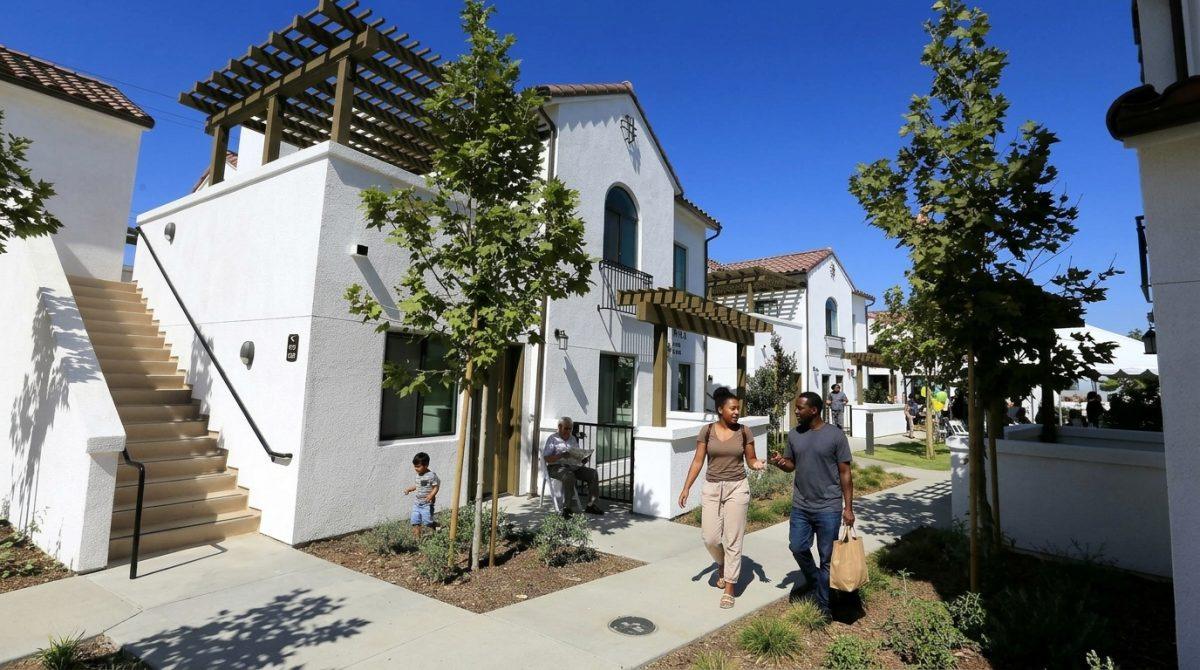
Los Angeles is tackling the Los Angeles housing crisis right in people’s backyards, as accessory dwelling units made up 41.2% of all residential permits issued across the city during 2025, more than doubling California’s 26.2% average according to municipal filings submitted to the California Department of Housing and Community Development and compiled by Backyard Stack.
Meanwhile, city officials and homeowners who can afford the investment embrace these detached residences to add a second living space on existing lots, authorizing 7.439K builds and completing 5.878K homes, the highest annual totals since comparable records began in 2018, while major developers deem large scale complexes unfeasible under current market conditions.
Record permit volume counters the Los Angeles housing crisis
Statewide housing figures show that Los Angeles approved more builds than the next 17 California cities combined, while its 5.878K finished homes surpassed the sum of the following 26 municipalities, placing San Diego second with 2.165K permits, followed by Long Beach with 644, San Jose with 502 and Santa Maria with 479, and reaching 19.4 authorizations per 10K residents compared to the 8.1 state average; earlier regional data also confirmed that Los Angeles County led California in per capita approvals during 2024, a momentum that accessory dwelling units cemented inside city limits.
Yet housing advocates warn that backyard homes alone cannot close California’s housing deficit, since researchers still lack hard data on how many finished spaces enter the rental market rather than serving relatives, guests or personal needs, meaning real supply relief depends on owners leasing these spaces alongside higher density construction.
Key drivers behind accessory dwelling units
-
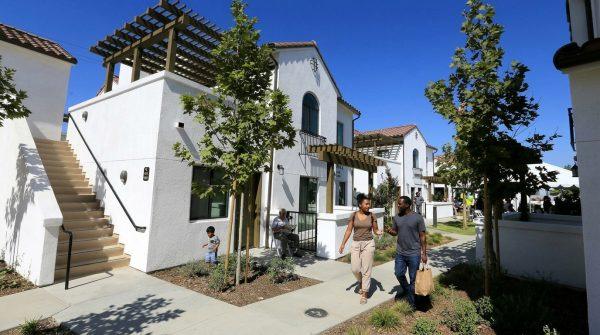
Builders typically place accessory dwelling units in a backyard, attach them to a primary house, or convert existing garages, giving eligible owners a second residence on the same lot and offering a faster route than standard homes when rebuilding after wildfires.
-
Spacial CEO Maor Greenberg told reporters that state lawmakers trimmed municipal review rounds and preconstruction correction cycles, shifting the remaining challenge toward local adoption by individual cities, while municipal options such as the Accessory Dwelling Unit Standard Plan Program accelerate technical plan checks once lot specific zoning and site requirements pass review.
-
A 2021 study from the Terner Center for Housing Innovation at UC Berkeley estimated that building a 400 square foot unit carried a median price of $100K in Los Angeles County, compared to $150K statewide, $177K in the Bay Area, $140K along the Central Coast, and $130K in Orange and San Diego counties.
-
Across Los Angeles County, San Fernando, Rosemead, Temple City, Sierra Madre, and Hidden Hills posted the highest approval rates to ease the Los Angeles housing crisis, while Hawthorne, Commerce, Cudahy, Cerritos, and Westlake Village recorded the lowest activity.
New state rules expand backyard housing capacity
Starting January 1, 2027, Assembly Bill 956 will let property owners build two backyard homes on a single lot zoned for single family or mixed use instead of one, a shift Greenberg expects will spark another surge in applications and expand how accessory dwelling units serve local neighborhoods; state statutes already unlock complementary options such as Senate Bill 9 for lot splits, Assembly Bill 1033 for selling backyard homes as condominiums alongside rentals, and Senate Bill 1211 for adding detached spaces to multifamily properties.
Against this backdrop, homeowners, urban planners, and state lawmakers watch neighborhood lots reshape everyday housing supply while large developments remain unviable in today’s market; through steady grassroots construction, backyard builds continue easing the Los Angeles housing crisis.