

WATCH NOW
Watch on the app














California changes the rules for booster seats and turning 8 will no longer be enough
-
Rules for high chairs and booster seats shift in California on January 1, 2027 as a five step fit check replaces the age 8 shortcut.
-
Assemblymember Lori Wilson led Assembly Bill 435 to tie belt readiness for ages 8 through 15 to real body positioning in each vehicle.
-
Drivers and parents must verify seat belt fit in every car while fines apply for unrestrained young riders.
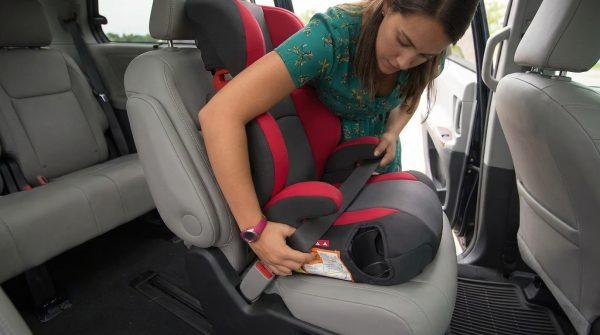
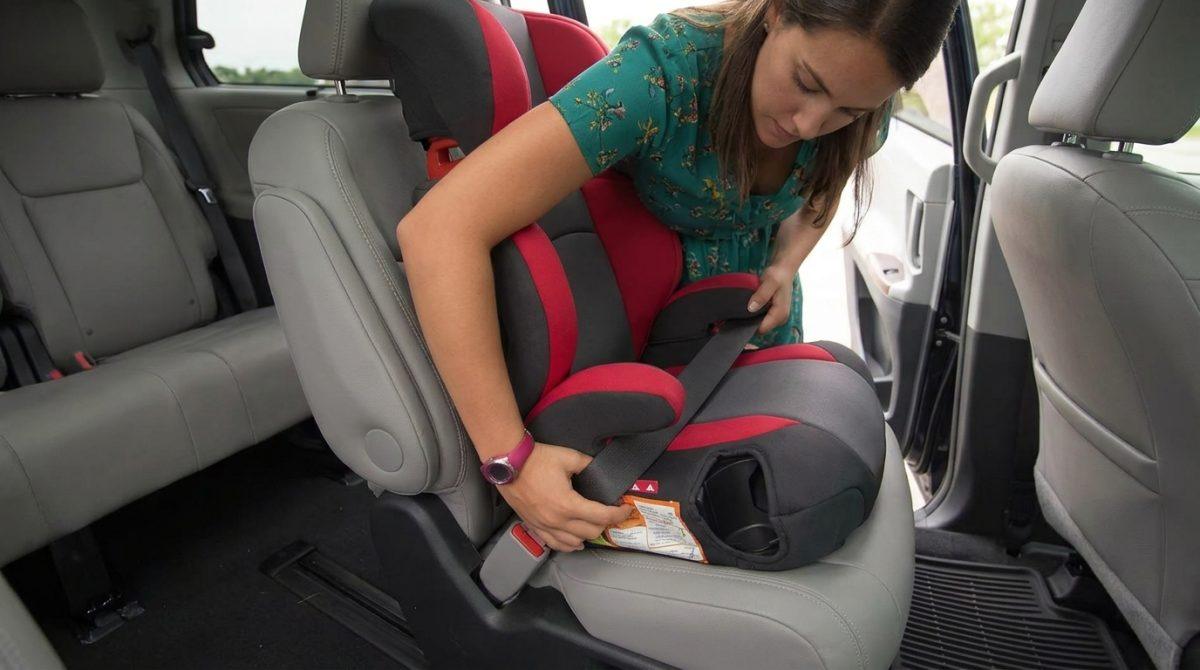
California changes the rules for booster seats on January 1, 2027, turning 8 no longer ends booster use automatically as state lawmakers require children aged 8 through 15 to pass a practical five step safety check before riding on an adult seat belt alone, replacing the old shortcut tied to age or height so boosters protect sturdier bones rather than soft tissue during sudden stops or crashes.
Furthermore, Assemblymember Lori Wilson championed California Assembly Bill 435 after lawmakers saw families drop booster seats too early even when kids lacked proper belt alignment, shifting attention from birthdays to belt fit across the California Vehicle Code after lawmakers enacted the bill in 2025 while leaving exact seat checks, broader age rules and fines to unfold next.
How California changes the rules for high chairs and booster seats
California changes the rules for children aged 8 through 15 by requiring all five belt fit steps at once, so a young passenger who misses even one point stays in a booster seat or appropriate child restraint regardless of age or height, and the law also touches broader guidance around rules for high chairs and child restraints.
-
Every child must sit all the way back against the vehicle seat cushion so knees bend naturally over the edge without slouching forward, and California changes the rules whenever posture slips.
-
The shoulder strap must cross snug across the center of the chest and collarbone rather than rubbing against the neck or face, keeping the belt away from the neck.
-
The lap belt must sit low across the upper thighs and hip bones instead of riding up over the soft stomach where crash forces can cause internal injury.
-
Each passenger must hold that proper posture throughout the entire trip, even on short neighborhood errands.
-
Families must test the fit inside every vehicle a child rides in, since seat depth and belt anchors vary from car to car while rules for high chairs and seats face.
What stays in place beyond turning 8
Beyond the new 8 through 15 belt fit standard, California preserves existing child passenger protections that govern younger riders and back seat seating priorities across the state, eliminating the old shortcut where reaching age 8 or measuring 4 feet 9 inches or 145 centimeters let older kids skip a booster even when seat cushions ran too deep for their legs, while keeping context clear alongside rules for high chairs and infant seats.
Meanwhile, state law keeps rear facing seats mandatory for children under age 2 unless they weigh at least 40 pounds or 18 kilograms or reach 40 inches or 102 centimeters tall, while children under age 8 remain in a car seat or booster in the back seat unless a narrow Vehicle Code exception applies and the National Highway Traffic Safety Administration and the American Academy of Pediatrics advise keeping children under age 13 in the back seat away from front airbag deployment.
Driver responsibility and penalty stakes
Drivers and parents share legal duty for proper restraint on the road, facing base fines of $100 for a first offense and $250 for repeat violations before court assessments and fees raise the total bill, while the Vehicle Code carves out a narrow exception for a driver when a parent or legal guardian rides in the car without driving and families do not need an agency inspection or official certificate before making the fit check even as rules for high chairs and boosters guide safe travel.
Alongside the updated California Department of Public Health guidance, courts can reduce or waive initial penalties when a driver shows proof of getting an appropriate restraint and completes safety education, while testing belt fit before January 1, 2027 helps families keep every ride safe as California changes the rules for young passengers.