

WATCH NOW
Watch on the app










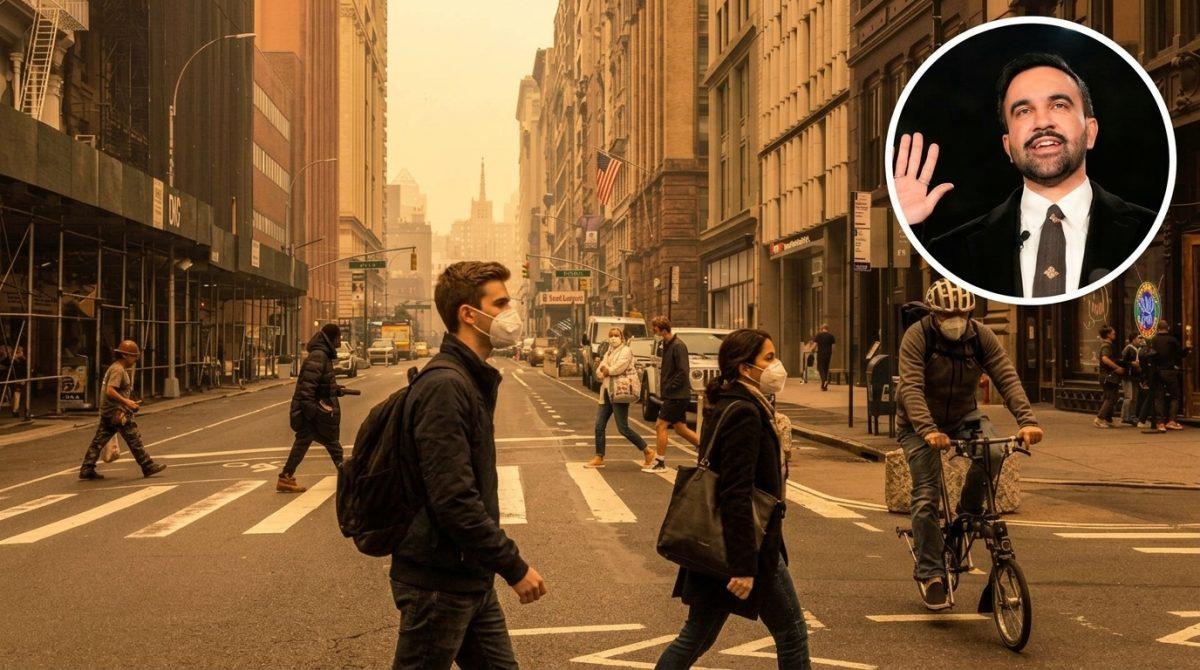
New York wants to close the gap between neighborhoods that breathe cleaner air and those that don’t
-
Environmental justice plan draft seeks to protect nearly half of New York City residents across vulnerable blocks and underserved corridors
-
Mayor Zohran Mamdani administration proposes 38 measures to cut climate hazards, heat spikes and neighborhood inequities across the city
-
Public consultations launch in January 2027 across all 5 boroughs to gather neighborhood testimony, feedback and local priorities
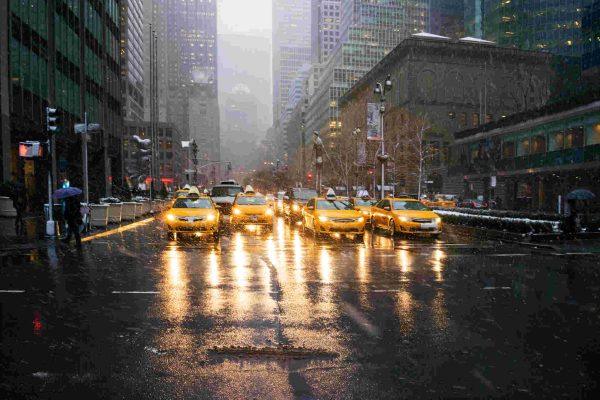
Mayor Zohran Mamdani administration unveiled the draft of EJNYC All In, the first plan of its kind in the city, so New York closes the gap between neighborhoods that breathe cleaner air and those that do not, an urgent challenge in lower income areas and communities of color where pollution, extreme heat and flooding hit hardest and where this environmental justice plan brings together 38 recommendations that still do not represent final commitments to execute.
Likewise, New York works to close the gap between neighborhoods that breathe cleaner air and those that do not by opening a public review process starting in January 2027 across all 5 boroughs, 1 virtual hearing and 30 community conversations, while connecting environmental protection to relief on electric bills that climb when high temperatures drive up power use.
Unequal climate burdens across city blocks
The draft estimates that 49% of city residents live in environmental justice areas where they bear disproportionate environmental burdens compared with wealthier, predominantly white neighborhoods, and moreover constant truck traffic alongside large warehouses degrades air quality while scarce trees push up summer heat and heavy rains threaten homes and infrastructure.
Across town, city officials link these disparities to decades of lower public investment and past choices that concentrated pollution sources and climate hazards in lower income neighborhoods and communities of color, affecting public health, safety, park access and monthly family budgets, especially where neighborhoods need better drainage systems to manage runoff.
Key actions of the environmental justice plan across the city
-
Launch a resilience center pilot program and project up to 50 facilities citywide that serve as support hubs during climate emergencies.
-
Run proactive noise and air quality inspections at major construction sites inside environmental justice areas to monitor compliance with standards.
-
Advance the 1st climate education plan for public schools, a solar and urban agriculture pilot in school facilities to expand access to healthy food, and a tool that helps administrators open outdoor spaces.
-
Set a 2050 carbon neutrality goal for port facilities and vessels, create an Environmental Justice Projects Framework and expand Walk to a Park, Resilient Acquisitions, and battery access for street vendors while supporting cleaner air goals.
The EJNYC All In name captures 3 core pillars that guide this first plan of its kind in the city, focusing on investing first in the hardest hit communities, embedding environmental justice into municipal planning, and bringing residents into decisions that reshape their neighborhoods, while city agencies must report investments and direct resources toward areas with the greatest needs.
Beyond new rules, the plan pairs fresh tools with active programs, such as prioritizing these areas in Walk to a Park so 85% of residents live within walking distance of a park by 2030 and also proposes regulating pollution from large warehouses, expanding battery access for street vendors, and growing voluntary buyouts of vulnerable properties beyond Jewel Streets under this environmental justice plan.
Public participation and the path to cleaner air in neighborhoods
The draft opens public engagement starting in January 2027 through in person hearings across all 5 boroughs, a virtual hearing, and community conversations hosted with partner organizations, where residents can share testimony on pollution, extreme heat, tree gaps or flooding that demands better drainage systems and weigh in on proposed measures, while the EJNYC All In portal from NYC Mayor’s Office of Environmental Justice houses the full draft and meeting schedule.
In real neighborhoods, the 38 recommendations do not represent final commitments to execute yet and remain an open proposal that residents and the Environmental Justice Advisory Board will shape to set priorities and investments, advancing cleaner air across every neighborhood.