

WATCH NOW
Watch on the app













Miami unusual deal leaves home buyers without the land in new affordable homes
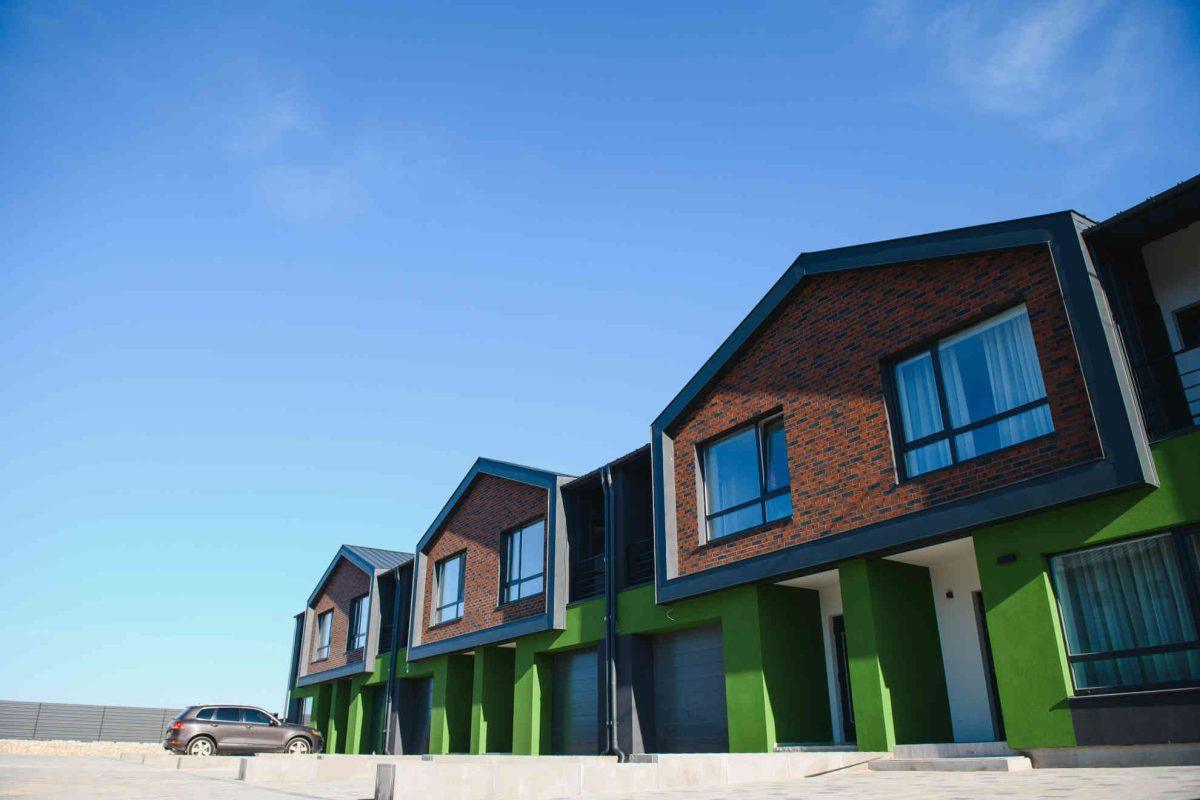
- The Place Louverture project launches in Little Haiti to deliver thirteen townhomes or affordable housing units to working-class buyers across South Florida.
- Under the community land trust model, residents hold ownership of the physical structure while the organization retains permanent title to the land.
- Historic residents and local leaders debate long-term stability amid soaring housing costs, the real estate crisis and rising property taxes.
The launch of Place Louverture and the community land trust model in Little Haiti
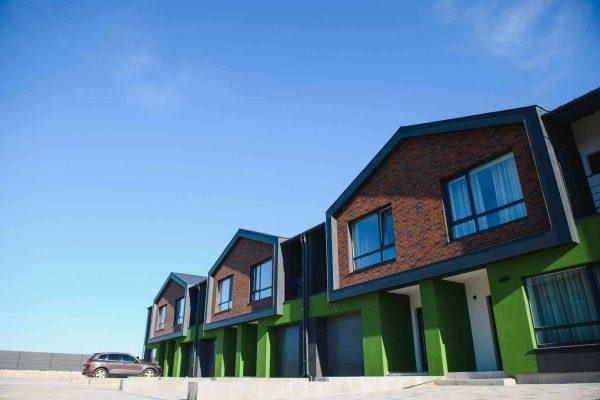
Municipal and county authorities broke ground on Place Louverture, a new residential complex composed of thirteen townhomes situated along Northeast Sixty-Seventh Street in the historic neighborhood of Little Haiti, carrying the fundamental purpose of offering an affordable housing alternative for working-class families battling the real estate crisis and uncontrolled cost surges across South Florida.
This development represents the initial project across Miami-Dade County spearheaded by the South Florida Community Land Trust, a nonprofit organization focused on supporting first-time buyers and displaced residents, implementing a framework where buyers acquire the home structure at a reduced price while the entity preserves permanent ownership of the underlying parcel. While real estate developers argue that this community land trust model allows properties to pass safely to future generations, diverse sectors analyze with caution the pros and cons of separating home ownership from land ownership inside such a competitive urban environment.
Conflicting voices between housing relief and the specter of urban displacement
In this sense, the arrival of these new residences or affordable housing units via Place Louverture occurs during a highly critical moment marked by skyrocketing property taxes and living expenses, creating financial pressure that devastates the pockets of traditional neighbors who, after twenty years in Little Haiti, lament paying over five thousand dollars recently in local levies alone. Facing this vulnerable backdrop, Miami City Commissioner Christine King emphasized that local leaders must strictly watch over community well-being and guarantee working families avoid expulsion from their own neighborhoods driven by real estate speculation. Nevertheless, certain residents recall painful displacement backgrounds across other county areas, like the Li’l Abner mobile home park in Sweetwater or the Town Park Village cooperative in Overtown, generating genuine doubts regarding whether buyers of these affordable homes will secure true stability while lacking absolute ownership of the ground in Miami-Dade.
Legal safeguards and the future of affordable housing in Miami-Dade County
On the other hand, to dispel any skepticism surrounding the legal security of these projects, Miami-Dade County Mayor Daniella Levine Cava firmly clarified that operations managed under community land trusts find protection within strict regulatory frameworks consecrated in law. Likewise, the county leader assured that this legal mechanism will not vanish and advanced that Place Louverture constitutes merely a starting point, given that the administration collaborates actively alongside numerous public and private partners to drive additional affordable housing initiatives regionwide. Consequently, while construction advances in the heart of Little Haiti, the model faces a supreme test to prove it can shield the working class against the affordability crisis without compromising the asset tranquility of new proprietors throughout South Florida.
