

WATCH NOW
Watch on the app









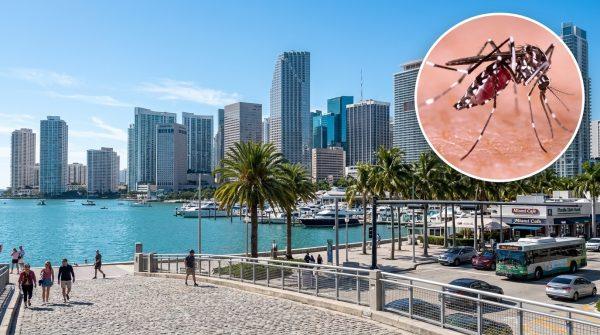



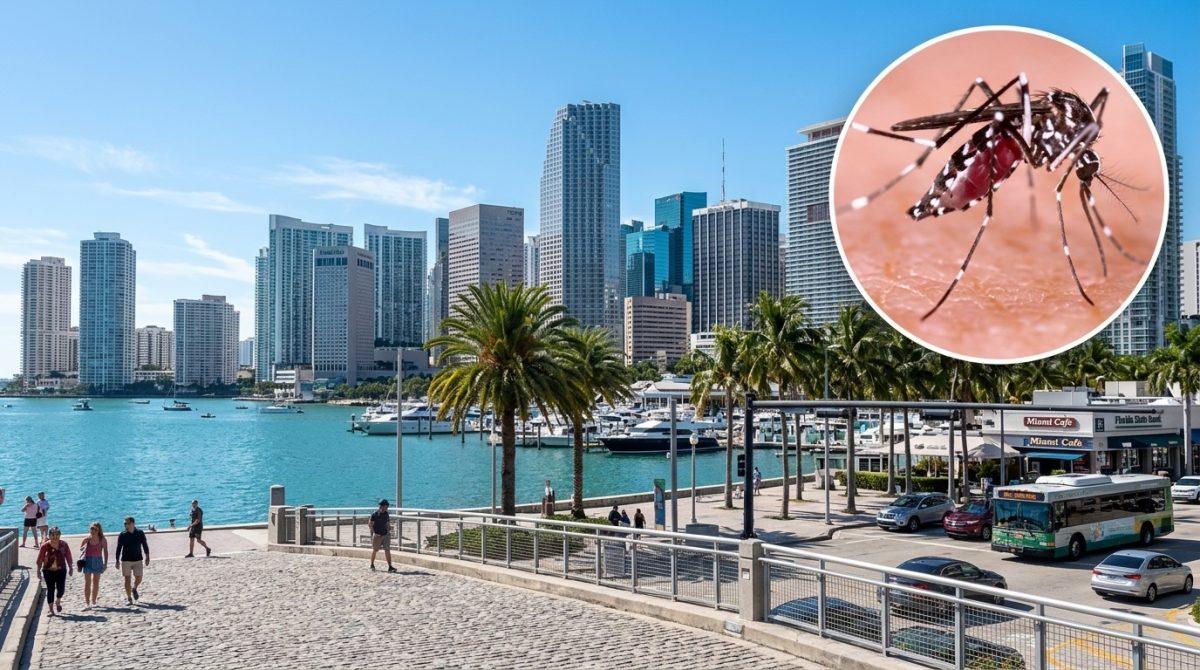
Florida’s dengue outbreak could get help from new AI invention as cases rise
-
Florida’s dengue outbreak isn’t slowing down, creating a severe mosquito borne disease crisis across local communities as health authorities battle historic contagion numbers.
-
State officials extend emergency declarations while researchers deploy advanced artificial intelligence tools to accelerate vector identification and containment.
-
University innovators collaborate with public health agencies to deploy smart surveillance equipment before infection rates escalate further.
Florida’s dengue outbreak isn’t slowing down across regional neighborhoods, but a groundbreaking invention powered by artificial intelligence now offers a powerful way to fight back against the relentless disease and traditional entomological identification methods often require up to 3 days of laboratory analysis before specialists recognize dangerous vectors under microscopes, whereas university innovators deploy smart camera traps that instantly identify mosquito species and track transmission risks in real time.
Meanwhile, state agencies confront an unprecedented acceleration in vector activity, because the current season shatters historical records with Hillsborough County accumulating 407 local cases alongside 524 statewide infections confirmed through October 31 and affected residents contracted the virus entirely within state borders without traveling abroad, while automated diagnostic tools bridge the dangerous gap between sample collection and field action to help authorities contain the mosquito-borne disease crisis before infection rates surge further.
University innovations target mosquito borne disease crisis
Digitomy steps forward as a pioneering startup from the University of South Florida, and researchers Ryan Carney and Sriram Chellappan spearhead the development of smart traps backed by research dating back to 2018, while portable devices that hang from lower branches or rest on the ground utilize light or bait to attract insects before built in fans and cameras photograph specimens on sticky surfaces, and the artificial intelligence technology achieves over 98% laboratory accuracy while distinguishing between male and blood-fed female specimens within hours to identify vectors where only females transmit pathogens.
Furthermore, municipal health workers access real-time data dashboards, because automated systems transmit spatial intelligence directly to regional mapping platforms like the Global Mosquito Observations Dashboard which already integrates over 500K citizen science records, and sanitation crews utilize precise geographic insights to deploy targeted treatments where high-risk vectors concentrate, while university developers secure $25K in funding grants from the Bull Ring accelerator to facilitate commercial manufacturing partnerships through the USF Technology Transfer Office without an official retail price announced yet.
Verified facts on institutional statistics and global impact
-
World Health Organization data shows that out of 3,500 global mosquito species where only a handful transmit pathogens, dengue affects approximately 400M people annually worldwide without any specific approved antiviral treatment and medical professionals frequently designate the illness as breakbone fever due to severe bone pain during a severe mosquito-borne disease crisis.
-
Hillsborough County authorities extended their local emergency declaration from November 13 through November 19, deploying active aerial and ground treatments across multiple neighborhoods, whereas academic trials involve collaborative testing with the Anastasia Mosquito Control District in St. Johns County and online educational platforms designed to stop the Florida dengue outbreak.
Loading video...Loading Video
Historical context of Florida dengue outbreaks and past surges
Florida’s historical dengue outbreaks reflect a growing pattern of local mosquito transmission, because previous warm-season cycles documented notable flare-ups across southern counties before vectors expanded northward and health officials confirmed the state’s first tragic fatality on September 21, 2026, amid the worst recorded outbreak in decades with over 130 locally acquired cases reported in Hillsborough County, whereas epidemiological records highlight that managing seasonal epidemics requires complex sanitary measures.
Furthermore, state health departments previously recorded significant localized transmissions in Monroe, Miami-Dade and Broward counties during prior milestones, and entomologists emphasize that historic outbreaks often correlated with tropical storm seasons that created widespread standing water breeding grounds, while historical surveillance data proves that native mosquito populations continuously adapt to urban environments and experts warn that understanding past transmission peaks remains essential for evaluating how the ongoing mosquito-borne disease crisis threatens local communities.
