

WATCH NOW
Watch on the app















Latino ghost stories that crossed the border to haunt the US
-
Latin American and Spanish oral traditions have secured a permanent place in United States mainstream entertainment.
-
Cultural experts highlight the deep historical roots of Hispanic folklore as a major attraction for American audiences.
-
Iconic figures such as La Llorona and El Cucuy have been adapted into successful Hollywood horror franchises.
The rich oral tradition of Latin America has demonstrated a remarkable ability to cross linguistic and geographical boundaries, establishing a permanent presence within United States popular culture. Folktales deeply rooted in Hispanic heritage such as El Chupacabras, La Llorona, and El Cucuy have evolved from intimate family stories into widely recognized entities across American media. This growing fascination with Latino horror concepts reflects both demographic expansion and a broader appetite within the entertainment industry for mythologies grounded in historical tradition.
El Chupacabras: The media footprint of a nineties legendary creature
Originating in Puerto Rico during the mid 1990s, the legend of El Chupacabras quickly spread to the United States mainland, fueled by reported livestock attacks across rural areas. Described as a bipedal creature with reptilian features and dorsal spines, the entity captured immediate attention from news outlets and American television networks. The creature officially entered mainstream pop culture through prominent appearances on shows such as The X Files, becoming the first contemporary Latin American myth to achieve widespread recognition in the United States.
Ver esta publicación en Instagram
La Llorona: From ancient Mesoamerican omens to Hollywood cinema
The legend of La Llorona stands as one of the oldest and most compelling narratives in Latin America, with origins tracing back to Mesoamerican omens recorded prior to Spanish colonization. Historically associated with spiritual figures like Cihuateteo, the myth evolved during the colonial period into the tragic tale of a weeping woman searching for her lost children. In recent decades, American audiences have embraced this haunting story through feature episodes on series like Supernatural and Grimm, alongside major theatrical horror films produced by leading Hollywood studios.
Ver esta publicación en Instagram
El Cucuy: The Hispanic equivalent of The Bogeyman in popular culture
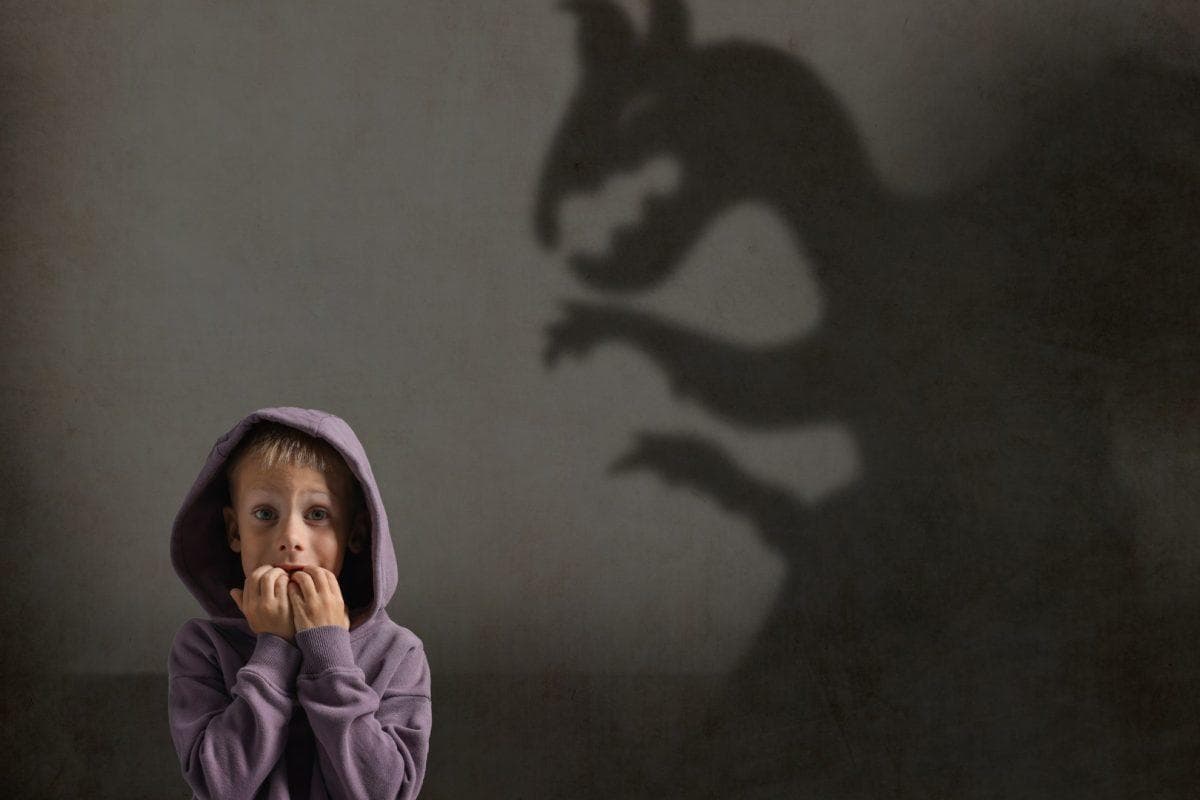
Originating in the Iberian Peninsula during the 17th century before taking root across Latin America, El Cucuy serves as the traditional cautionary figure used to encourage children discipline. Represented as a shadowy figure or hooded entity, this character finds a direct parallel in English speaking cultures as The Bogeyman. In the United States, El Cucuy has been integrated into children programming on networks like Disney, featured in bilingual literature and adapted into modern horror films that translate traditional parenting folklore for contemporary film audiences.
@thestorytimeguy El Cucuy #elcucuy #elcoco #folklore #history #education #latino #latina #latam #spooky #boogeyman #aztec
Historical depth vs modern fiction: The enduring appeal of Latino myths
The strong reception of Latino horror legends among American consumers stems from the historical authenticity embedded within these traditional narratives. Cultural analysts note that while North American speculative fiction often relies on 20th century literary inventions or alien abduction accounts, Latin American folklore provides a centuries old connection to spiritual themes and ancestral traditions. This distinct relationship with mortality and the supernatural offers global audiences a deeper narrative foundation than synthetic horror concepts.
The permanent legacy of Latino folklore in global media
The integration of Latin American legends into United States media confirms that folklore and horror remain universal narrative forms capable of crossing borders. Characters once passed down exclusively through oral storytelling within Latino households now inhabit major cinematic universes and international literary works. As cultural interchange continues to shape global media consumption, the haunting stories of El Chupacabras, La Llorona and El Cucuy will maintain their place in the cultural landscape, proving that traditional folklore knows no borders.
