

WATCH NOW
Watch on the app



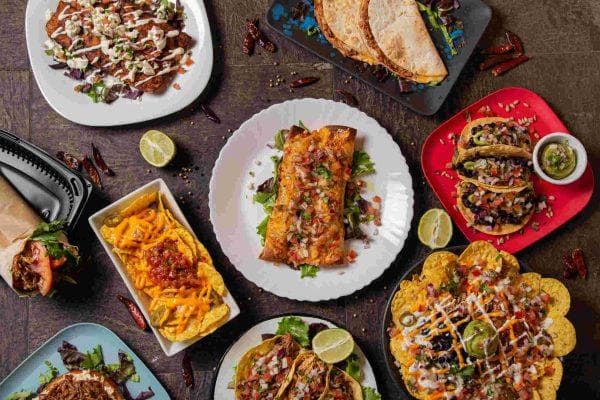





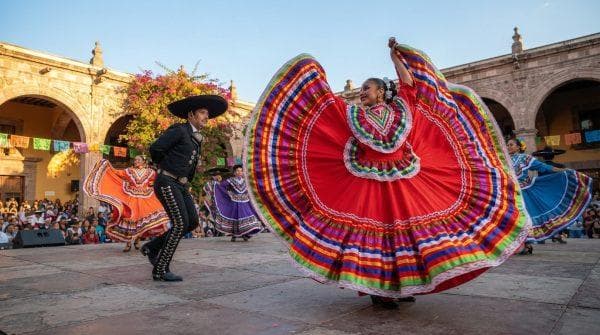





Latino flavors have taken over American plates and Hispanic Heritage Month tells the story
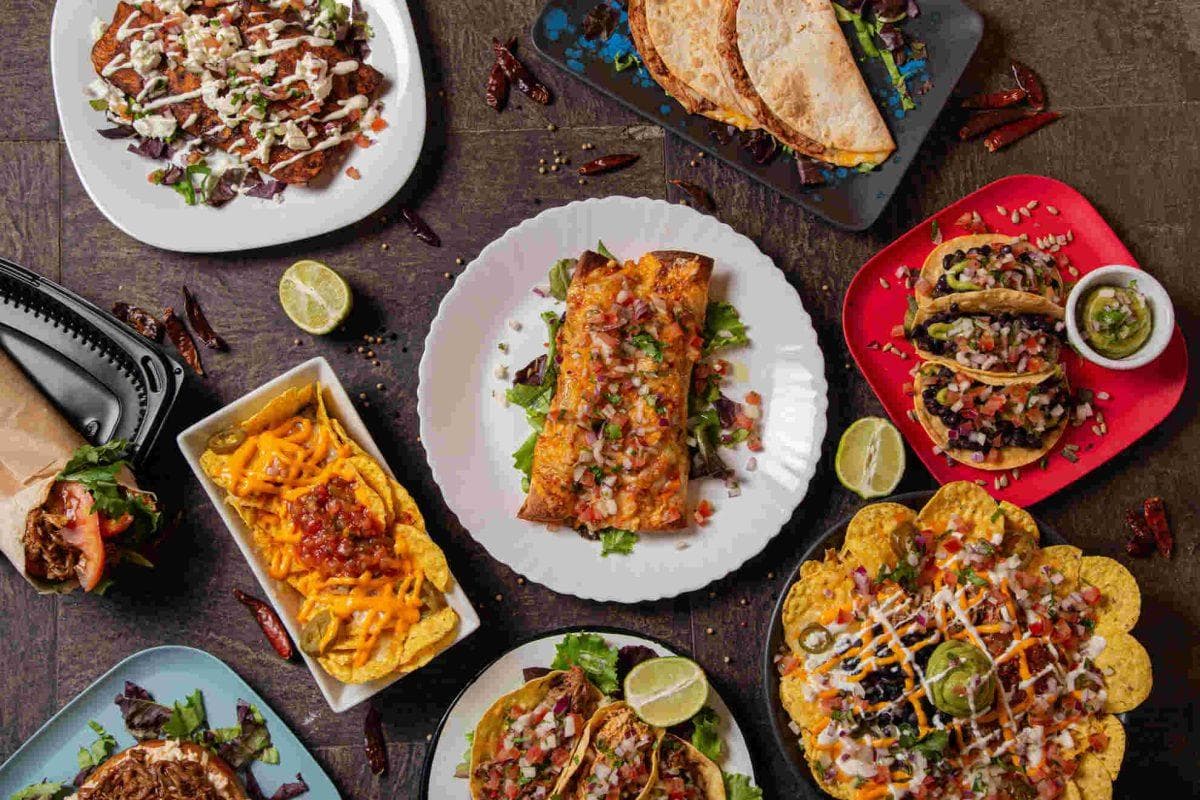
- Hispanic Heritage Month highlights how Latino flavors form an essential part of daily life in The United States.
- Tacos, arepas and ceviches firmly establish themselves within the American gastronomic landscape thanks to the great cultural diversity of Latino food.
- Restaurants face practical challenges and high preparation costs in certain traditional dishes like tamales.
Hispanic Heritage Month reminds us that finding a taco, an arepa or an empanada far from home is somewhat like a completely everyday experience for millions of people in The United States, firmly driven by decades of rich migratory history. As Latino flavors continue expanding throughout the North American territory, Latino food deeply transforms menus and culinary customs of entire communities, demonstrating that the Hispanic influence goes far beyond a simple trend, something additionally supported by research from the University of Arizona and experts like historian Jeffrey M. Pilcher.
How Latino food arrived and what the most popular dishes are
Likewise, this fascinating gastronomic expansion of Latino flavors has deep roots documented by the National Park Service, which explains that Latino food in The United States emerges from historical encounters among people from America, Europe, Africa, and Asia, where figures like historian Jeffrey M. Pilcher highlight the fundamental role of Mexicans in tortilla production and the historical milestone of 1909 when miller José Bartolomé Martínez patented a dehydrated nixtamal flour formula in San Antonio.
With the subsequent arrival of new migratory waves coming from Puerto Rico, Cuba, Central America, and South America, the offer enriched enormously until consolidating iconic dishes such as tacos as a great Mexican symbol, arepas associated with Venezuela and Colombia, Peruvian seafood ceviche with lime and chile, empanadas with multiple regional variants, Salvadoran pupusas, traditional guacamole, Caribbean sancocho, Puerto Rican rice with pigeon peas, and South American churrasco, demonstrating through University of Arizona studies that this enormous availability of Hispanic restaurants permanently transforms the consumption habits of the entire population.
Ver esta publicación en Instagram
The map of the most popular Latino dishes at the American table
In this manner, culinary wealth reflects in an impressive variety of preparations already forming part of day-to-day life, highlighting tacos as a major Mexican symbol, arepas from Venezuela and Colombia, and Peruvian fish or seafood ceviche with lime, onion and chile. Likewise, the landscape includes empanadas with their multiple regional variants, Salvadoran pupusas, guacamole as a habitual side dish, sancocho from the Caribbean and South America, Puerto Rican rice with pigeon peas and churrasco linked to Argentina, Uruguay, and Brazil, all of them showing the gastronomy that enriches Hispanic Heritage Month.
The evolution of traditional dishes in restaurants
In this way, throughout the country and far beyond just Hispanic Heritage Month, iconic preparations like Peruvian ceviche, Salvadoran pupusas, guacamole and rice with pigeon peas, among other Latino foods, enjoy extraordinary acceptance both in homes and commercial restaurants. Likewise, tacos occupy a privileged place in this success story, to the point that it becomes practically impossible to understand contemporary American food without considering the deep contribution of Mexican heritage and Latino flavors. However, this expansion dynamic also reveals very interesting contrasts when we analyze consumption trends and operational demands within establishments dedicated to Latino food in the current market.
Ver esta publicación en Instagram
New challenges and the value of culinary tradition
On the other hand, this complex operational reality makes keeping certain traditional dishes on the Latino food menu in restaurants unprofitable for commercial establishments throughout the year, transforming the tamal into an option reserved mainly for special celebrations and family gatherings inside The United States. Recent data from Technomic’s Ignite Menu cited by Fox News indicates that tamal entries decreased by 7.8% in the country’s Mexican restaurants. Similarly, gastronomic experts like chef Elio Gomez and director of operations Robert Mahon explain that crafting tamales requires an extremely laborious multi-day artisanal process including corn nixtamalization, grinding the dough, and preparing each wrapper, which drastically drives up labor costs. So while restaurants adapt their kitchens to modern demands, Latino food and flavors continue consolidating their vital space and incalculable cultural value at every table in the country during Hispanic Heritage Month.
