

WATCH NOW
Watch on the app





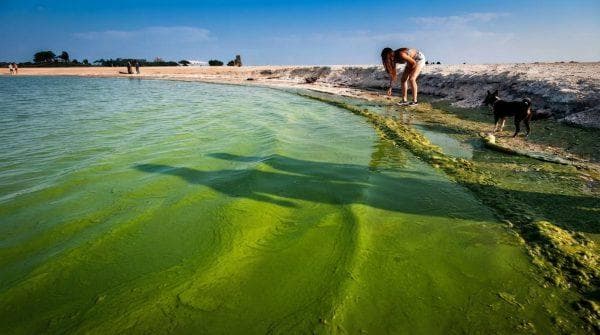









Your dog may love the water but this toxic algae can turn a swim into an emergency
-
Lakes and polluted rivers present a hidden danger to domestic pets during the warm summer months due to the rapid proliferation of cyanobacteria producing lethal toxins.
-
Health authorities and scientific researchers consistently warn that household pets face severe risks when swimming and drinking contaminated water during recreational outings.
-
Recognizing visual signs of water contamination remains essential for preventing fatal veterinary emergencies throughout the seasonal heat.
Toxic algae can trigger severe neurological damage and even sudden fatality in canines following the accidental ingestion of harmful substances during a swim, which creates a growing concern for animal welfare across South Florida according to updates from the Florida Department of Health. According to recent scientific research from Florida International University led by Dr. Schonna R. Manning, soaring seasonal temperatures heavily accelerate the rapid multiplication of dangerous aquatic microorganisms in freshwater sources.
Identifying hazards across lakes and polluted rivers
Inland water bodies experience highly favorable environmental conditions for harmful algal blooms when excess nutrient runoff enters lakes and polluted rivers during the hottest months of the year; additionally, cyanobacteria release lethal chemical agents such as dihydroanatoxin, which triggers the rapid collapse of the digestive and nervous systems within hours according to peer-reviewed studies published in scientific journals like Toxins Journal.
Pet owners must acknowledge that dogs absorb these pathogenic agents both by drinking liquid while swimming and by licking their contaminated fur after emerging onto dry land, meaning that constant vigilance serves as the single most effective prevention tool to avoid tragic outcomes in household pets.
Safety checklist for dogs in freshwater environments
-
Ensure any body of water is completely safe for your pet before allowing the animal to dive or enter the aquatic habitat.
-
Consult online resources before heading out because local municipalities and counties regularly publish water quality alerts and updated information on official websites such as Protecting Florida Together.
-
Look for posted warning signs on-site, read them thoroughly, and follow all instructions regarding harmful algal blooms across lakes and polluted rivers.
-
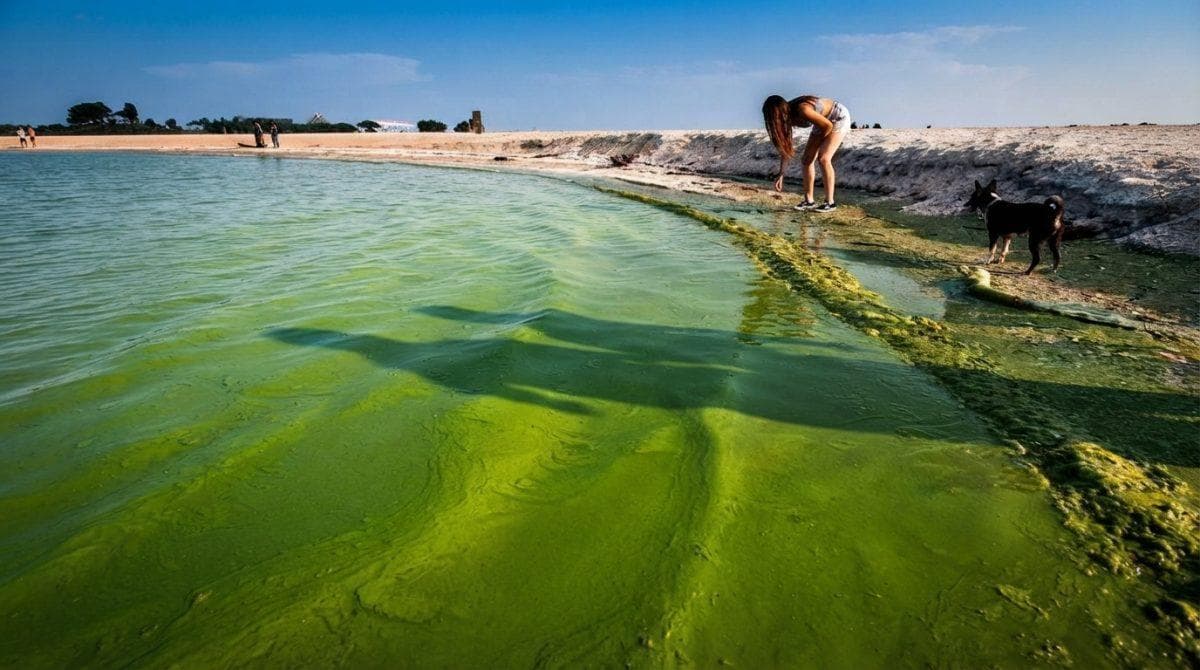
Avoid water that smells foul, exhibits unusual discoloration or contains surface scum, floating clumps, or dense algal mats.
-
Stay out of the water whenever doubts arise, keeping in mind that if a natural resource is unsafe for humans, it is equally unsafe for pets.
-
Inspect your dog’s fur meticulously right after outdoor activities because animals frequently groom themselves and can accidentally ingest accumulated toxins.
Clinical impacts from exposure across lakes and polluted rivers
Exposure to aggressive microbial outbreaks in lakes and polluted rivers provokes critical veterinary emergencies due to the extreme potency of neurotoxins present within the aquatic ecosystem; similarly, toxicological analyses documented in recent research confirm tragic cases where animals lose their lives in under 2 hours after consuming contaminated liquid.
The scientific community continues monitoring key ecological factors to anticipate the emergence of these pathogenic phenomena across natural habitats, while ultimate responsibility rests entirely upon pet owners to exercise maximum caution before permitting direct contact with toxic algae.
