

WATCH NOW
Watch on the app






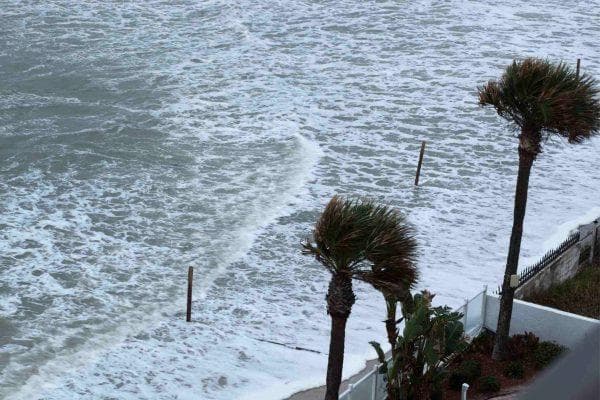








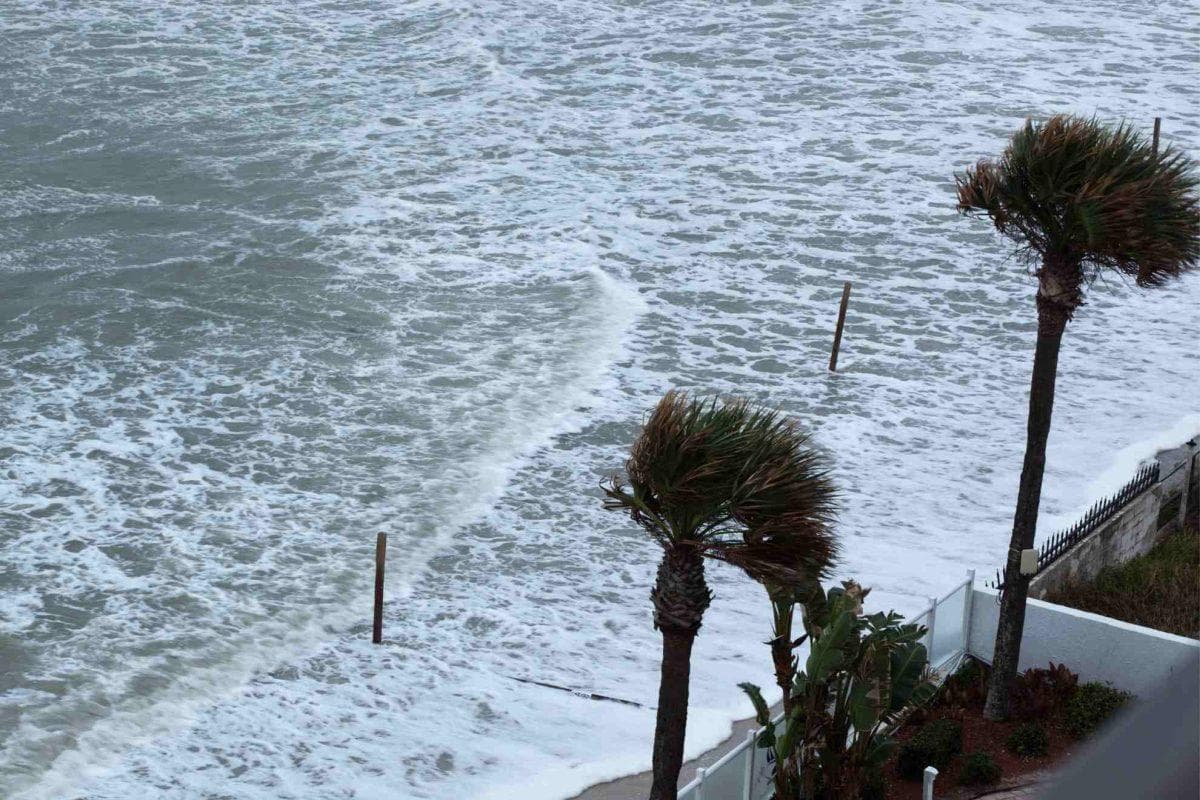
King Tides swallowed South Florida beaches and streets and the worst may not be over
-
Unprecedented king tides paired with persistent rainfall flooded major roadways and interrupted transit across Broward and Miami Dade counties.
-
Tidal gauges at Port Everglades recorded their highest water levels since 2018 surpassing the mark set by Hurricane Nicole.
-
Forecasters project recurring extreme high tides through late December driven by long term sea level rise in the region.
A dangerous combination of exceptionally high king tides and weeks of continuous heavy rainfall left coastal communities across South Florida under water over the weekend. Local municipalities experienced significant disruptions as rising ocean water breached sea walls and overflowed into inland streets. Law enforcement officers in Fort Lauderdale were forced to shut down a two mile stretch of the iconic A1A coastal highway after high tides rendered the roadway impassable. Across Miami Beach and along the Hollywood Beach Broadwalk, residents and visitors navigated through deep pools of saltwater that swept across pedestrian walkways and major thoroughfares during the peak morning tides.
The King Tide had people pulling up in kayaks to valet🌊🛶😩| #ONLYinDADE pic.twitter.com/8HQEUoMDWw
— ONLY in DADE (@ONLYinDADE) September 26, 2026
Historic water levels recorded along the coast
Tide gauges situated along the South Florida coastline registered water heights nearly two feet above normal levels during the peak morning cycle on Sunday. At the Port Everglades monitoring station, water levels reached an all time record high since the installation of the equipment in 2018, officially eclipsing the flood levels generated during Hurricane Nicole in 2022. Similarly, measurements taken near Virginia Key showed moderate to severe coastal flooding. Although water levels temporarily receded during the afternoon low tide cycle, meteorologists emphasize that coastal flooding hazards remain high as subsequent high tide cycles approach.
Climate impact and long term tidal forecast
Meteorologists from the National Weather Service in Miami classified the current flooding as a significantly above average event and linked the increasing severity of king tides directly to global climate change and sea level rise. Research indicates that sea levels along the Florida coastline have risen eight inches over the past three decades with forecasts projecting an additional foot of elevation by mid century. Weather experts warn that three additional king tide cycles are scheduled to affect the region between October and December 2026, with the most intense tidal push anticipated between late October and mid November.
Gonna need a kayak for the king tide here in Miami Beach! pic.twitter.com/nrxvVcIMEp
— XANDER GEOGRAPHIC 🏕️ (@actionxander) September 27, 2026
Municipal response and long term infrastructure challenges
In response to the recurring tidal threat local emergency management agencies have activated pumping stations and deployed temporary barriers along vulnerable low lying avenues. Property owners and small business operators along the shoreline continue taking precautionary measures to minimize saltwater intrusion into building structures during high water periods. Climate scientists stress that these intensifying flooding events underscore the pressing requirement for long term investments in resilient urban infrastructure to protect coastal populations from permanent environmental changes.
HAPPENING NOW SOUTH BEACH. Incredible video! When a monster king tides merges with noon high tide on #MiamiBeach. Be careful out there. #sealevelrise #climateaction
video via @roshloweWPLG pic.twitter.com/OSzq6dMA5x— Louis Aguirre (@LOUISAGUIRRE) September 30, 2022
