

WATCH NOW
Watch on the app












Florida built a road using radioactive waste and a federal court backed the controversial test
-
The policy renews fierce debate over waste roads, public health safeguards and legal backing from Florida Court across the state.
-
Officials push fresh road trials across the state despite lingering environmental hazards, radon risks and water worries.
-
The agency faces sharp scrutiny over higher radiation limits and review standards in recent paving projects.
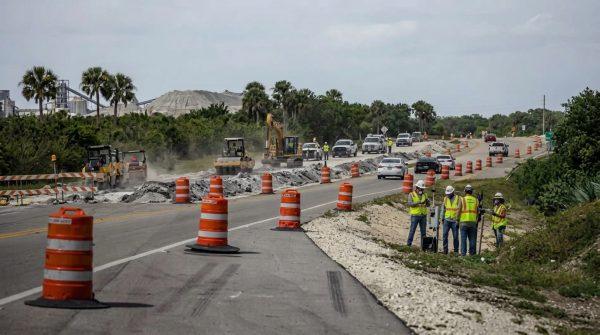
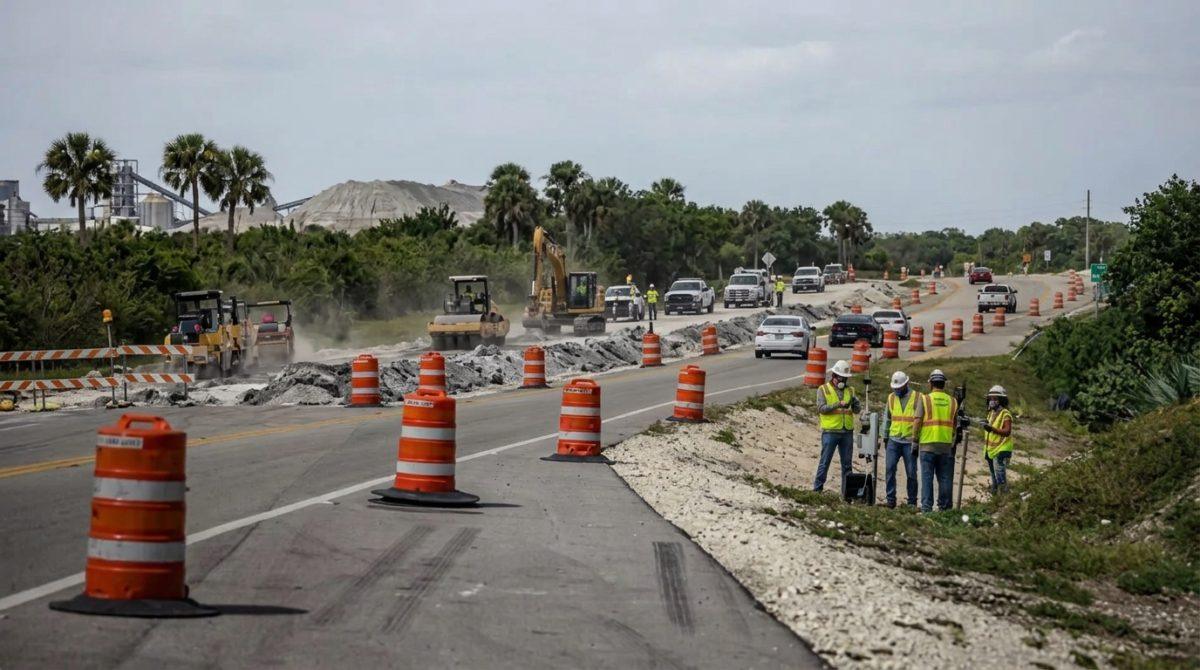
Florida built a road using radioactive waste and a federal court backed the controversial test back in 1986 as part of a Florida radioactive waste road effort, when the local phosphate institute placed phosphogypsum under pavement in central territory along Parrish Road in Polk County, roughly 1.5 miles long, and White Springs Road in Columbia County, nearly 2 miles long, to cut roadbuilding costs and shrink Bone Valley mining stockpiles, though the Environmental Protection Agency halted moving that material in 1989 after warning of radiation exposure and cancer risks for workers and nearby residents.
Furthermore, the dispute gained fresh momentum after Governor Ron DeSantis, who ran against Donald Trump in the 2024 Republican presidential primaries after signing the order to reexamine the byproduct 1 year earlier, backed a new review and a company won approval in 2024 to test 1,200 tons along a road just over 1 mile long in Polk County, while critics argue the agency tolerates radiation levels up to 3 times higher than prior limits.
Why road use of phosphogypsum divides officials and experts
Nineteenth century rail builders laid tracks in the late 19th century, uncovered prehistoric fossils and heavy phosphate deposits in Bone Valley and launched mining for fertilizers and exports that now exceeds 1B tons in waste piles after reaching 500M tons of open air phosphogypsum by the 1980s and adding 33M tons each year, while the landscape blends freight rail lines, distant white stacks and resort golf courses built over ancient fossil beds alongside international parallels like phosphogypsum and radon management in Huelva, Spain, as scrutiny from Florida Court shapes oversight.
On the flip side, mixing phosphogypsum with local sand creates a binding agent that lowers soil plasticity for cheaper road bases, yet the Environmental Protection Agency barred moving waste from containment stacks in 1989 and stated it would only allow road use under agency led studies after reversing an earlier opening due to environmental pushback and water contamination worries, setting a sharp contrast with other infrastructure stories such as paving with glass 56 years after a 1970 idea, a car free road in Madrid for 20 years, Spain’s A 11 highway after 30 years, heat stress on Spanish roads, Spain’s projected 2027 road maintenance gap, or a 1989 old tire paving trial.
Key stakes in the debate and the stance of Florida Court
Backing from Florida Court and federal regulatory moves reopen technical arguments over burying industrial waste beneath asphalt, since supporters see a practical outlet for millions of tons in the mining belt while opponents challenge federal radiation thresholds and demand strict adherence to agency review standards.
In practice, new trials in Polk County test the balance between lowering paving expenses and protecting nearby neighborhoods from health harm, keeping regulators, environmental groups and project backers locked in a fierce dispute over safeguards across legal and technical fronts.
Core takeaways on the Florida radioactive waste road plan
-
Nineteenth century rail builders found phosphate and prehistoric fossils across a region marked by fertilizers, exports, white waste stacks and golf resorts over ancient fossil beds as piles grew from 500M tons in the 1980s plus 33M tons yearly past 1B tons.
-
Early tests covered Parrish Road in Polk County and White Springs Road in Columbia County before the 1989 restriction, while federal environmental rules require agency run studies before road approval even as the material binds soil and reduces plasticity alongside references to Huelva, Spain, glass paving 56 years after 1970, roads in Madrid or Castile and Leon, heat or 2027 maintenance gaps in Spain, and 1989 tire paving, with Florida Court weighing into the broader dispute.
-
Following the order issued ahead of the 2024 Republican primary race between Ron DeSantis and Donald Trump, testing 1,200 tons along just over 1 mile in Polk County renewed alarms over radiation levels up to 3 times higher than earlier benchmarks.
Environmental fallout and long term oversight
Critics warn that current standards allow radiation levels up to 3 times above prior road limits, deepening concern among environmental advocates and neighbors tracking water quality, radon exposure and agency review conditions, while Florida Court reviews keep legal questions active.
Alongside those legal checks, the push around a Florida radioactive waste road remains contested between groups seeking ways to clear towering mining residues and critics demanding strict protections before expanding similar paving projects.