

WATCH NOW
Watch on the app












$500 refund checks 2026: Who qualifies through HealthCare.gov and what to do if payment is missing
-
Nearly 1 million Americans qualify for $500 checks under a federal health care refund across 30 states.
-
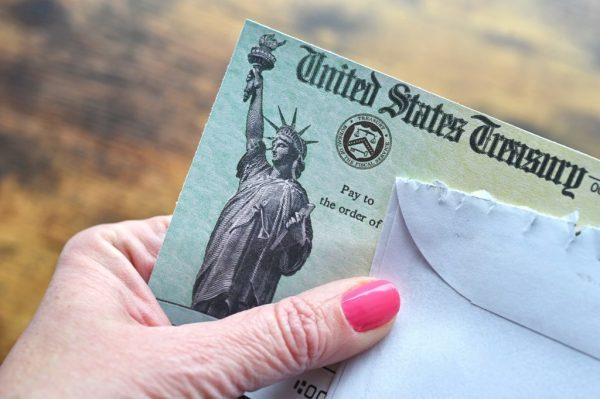
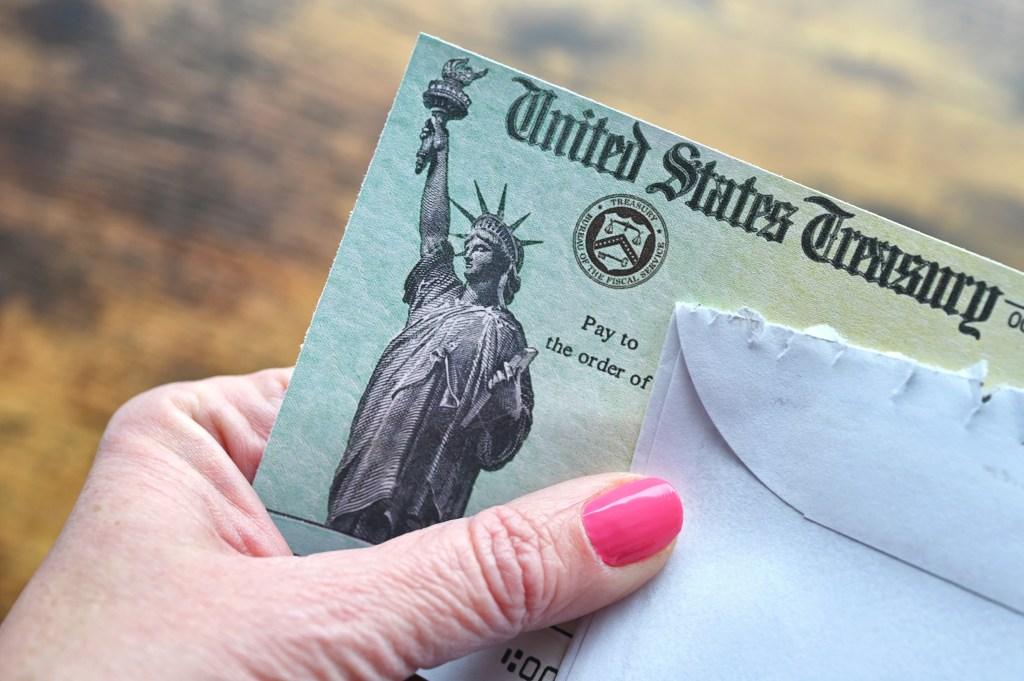
The Treasury Department mails automatic payments to unsubsidized policyholders enrolled through HealthCare.gov.
-
Federal officials outline income thresholds, eligible states, and verification steps for delayed mailings.
Nearly 1 million Americans qualify for $500 checks and some may not know they’re eligible under the federal refund program that the U.S. Department of the Treasury began mailing in late September 2026 across 30 states, after the Donald Trump administration announced the return of unused funds tied to operational fees on the federal marketplace during the Joe Biden administration.
Furthermore, the federal initiative targets Affordable Care Act (ACA) policyholders who purchased 2026 medical coverage through HealthCare.gov without federal subsidies or tax credits, while Trump explains in a letter to recipients that the money belongs to hardworking Americans and refunds excess charges accumulated under a flawed system through mailed paper checks that require no advance applications.
Who qualifies for $500 checks and how income limits work
The Treasury Department and the White House confirm that most Americans who qualify for $500 checks belong to middle class households whose annual earnings exceed the 2026 subsidy cutoffs, sitting above $62,600 for individual filers or more than $128,600 for a family of four that paid full out of pocket premiums on the federal exchange.
Meanwhile, federal officials report that the payouts draw from surplus user fees that insurance carriers pay to sustain the marketplace and often pass along through monthly premiums, allowing the Treasury to send automatic paper checks by mail and issue multiple refunds per household whenever several family members meet the coverage and residency rules.
Eligible states and terms for the $500 checks refund
Federal distribution covers eligible enrollees living in Alabama, Alaska, Arizona, Arkansas, Delaware, Florida, Hawaii, Indiana, Iowa, Kansas, Louisiana, Michigan, Mississippi, Missouri, Montana, Nebraska, New Hampshire, North Carolina, North Dakota, Ohio, Oklahoma, Oregon, South Carolina, South Dakota, Tennessee, Texas, Utah, West Virginia, Wisconsin, and Wyoming, though residing in one of these 30 states alone does not trigger a payout if a policyholder used any tax credit to lower monthly costs.
Even better, federal agencies confirm that enrollees who qualify for $500 checks never need to submit special forms or pay processing fees to unlock their payment, because Treasury officials pull active 2026 policy records directly from HealthCare.gov and mail physical envelopes to the registered home address on file.
Key steps if a mailed payment runs late
Federal agencies and consumer advisories outline practical actions for residents who qualify for $500 checks and still await their envelope:
-
Check HealthCare.gov accounts to verify that 2026 coverage remains active and confirm that individuals who qualify for $500 checks keep their mailing address current.
-
Monitor physical mailboxes alongside email inboxes and spam folders for official notices regarding $500 checks delivery and federal refund updates.
-
Avoid paying third party brokers who promise faster release of funds and refuse to share banking details with unsolicited callers or messages.
Across 30 states where automatic mailings continue under clear rules for unsubsidized HealthCare.gov coverage, the federal refund program delivers $500 checks to nearly 1 million taxpayers nationwide.