

WATCH NOW
Watch on the app













Fiji’s HIV crisis has exposed a dangerous practice known as bluetoothing
-
Dangerous blood injection practices accelerate viral transmission rates across vulnerable island communities, driving public health alarms.
-
Community organizers confirm that extreme poverty and limited access to sterile medical supplies drive risky substance consumption behaviors.
-
Global health agencies monitor the unprecedented epidemiological shift while local leaders demand immediate intervention strategies.
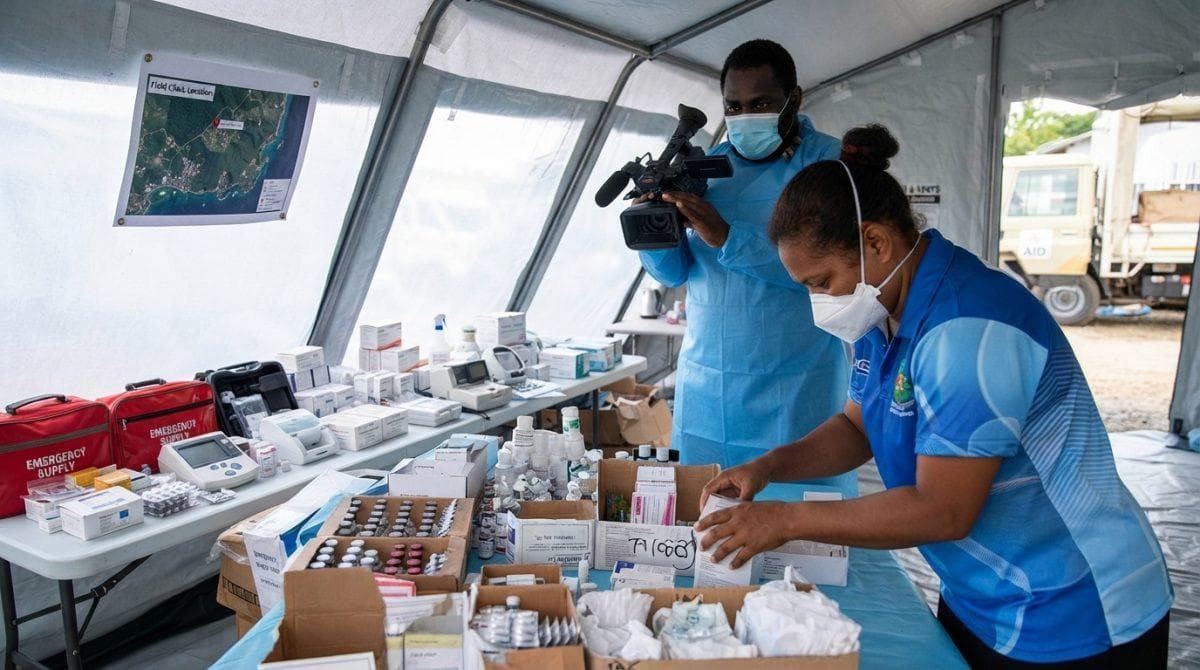
Social assistance protocols prioritize isolated communities lacking adequate infrastructure to withstand severe public health emergencies during Fiji’s HIV crisis and medical brigades distribute basic preventive supplies alongside supervising local clinic operations to prevent further viral transmission following the initial detection; moreover, health officials recognized officially in 2024 that this risky behavior impulsed the spike in contagions, motivating the rollout of a comprehensive needle exchange program.
The World Health Organization conducted a rapid assessment last December featuring interviews with 56 people who injected substances, registering that only two admitted to performing the practice while four witnessed it directly; concurrently, activist Kalesi Volatabu, executive director of Drug Free Fiji, warned through a stark testimony that an initial group of just 5 individuals multiplies rapidly into 30 infected cases, describing the phenomenon as an inevitable tsunami demanding immediate action.
Operational response and institutional mobilization regarding Fiji’s HIV crisis
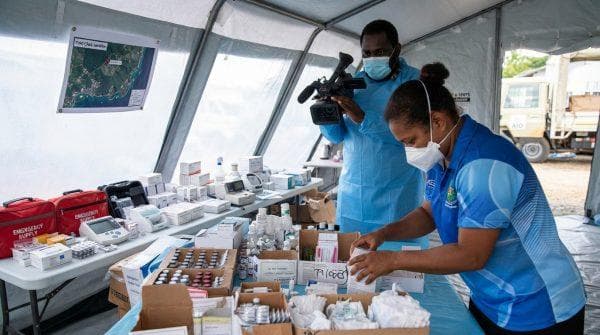
State health administrators coordinate the distribution of sterile medical equipment across designated regional clinics, ensuring a continuous supply of testing kits and treatment resources for affected individuals; meanwhile, community health workers establish advanced outreach posts to monitor infection rates and secure unhindered medical access for vulnerable populations, deploying hundreds of specialists to front-line districts.
Preventive protocols also include establishing specialized support centers equipped to receive patients requiring antiretroviral therapy, while relief agencies monitor infection trends closely; furthermore, officials emphasize that dangerous blood injection incidents demand immediate operational adjustments across local clinical networks.
Bluetoothing: “A dangerous ritual where individuals extract blood from someone who has already injected drugs and reinject it into another person to achieve a secondary high or maximize limited substances, exposing communities to exceptionally high rates of hepatitis B, C, and severe bacterial infections.”
Interagency coordination and epidemiological indicators across risk zones
-
Government agencies mobilize specialized medical teams to secure high vulnerability areas during the outbreak, confronting viral transmission directly.
-
Regional health departments deploy 56 specialized evaluators and field personnel to address immediate testing demands promptly.
-
Strategic reserves guarantee the availability of 41M global treatment doses and extensive emergency medical supplies.
-
Community brigades integrate over 100 local volunteers, mobile testing units, and comprehensive counseling resources to combat Fiji’s HIV crisis trends.
The South Pacific island nation faces an unprecedented public health emergency this week as Fiji’s HIV crisis escalates rapidly across local communities, driven by extreme poverty and dangerous substance consumption habits; approximately 1 out of 60 adults currently live with the virus, marking a dramatic surge compared to the previous benchmark recorded just 5 years ago.
Ver esta publicación en Instagram
The World Health Organization conducted a rapid assessment last December featuring interviews with 56 people who injected substances, registering that only two admitted to performing the practice while four witnessed it directly; concurrently, activist Kalesi Volatabu, executive director of Drug Free Fiji, warned through a stark testimony that an initial group of just 5 individuals multiplies rapidly into 30 infected cases, describing the phenomenon as an inevitable tsunami demanding immediate action.
Global HIV panorama and expansion across other world regions
The impact of this international emergency transcends island borders and connects with a global scenario where UNAIDS calculates that 41M people live with the virus worldwide; combined with this, World Health Organization reports indicate that during 2025 exactly 570K fatalities linked to HIV causes occurred, representing a 73% reduction compared to the peak recorded in 2004 thanks to expanded antiretroviral therapy.
Nevertheless, UNAIDS director Winnie Byanyima warned that suspending international aid could trigger 2,000 new daily infections and over 6M additional deaths across the next four years; furthermore, experts note that outbreaks driven by Fiji’s HIV crisis dynamics continue threatening vulnerable populations across multiple developing nations worldwide.
Global spread of dangerous blood injection and regional outbreaks
The phenomenon of direct fluid sharing has also ignited alarms across other nations in the African continent such as Lesotho, Zimbabwe, and South Africa, where the virus represents a critical public health challenge; community organizations like Mokhosi oa Mangoana, known as The Cry of a Mother, actively combat the problem detected inside abandoned trap houses where crystal methamphetamine consumption fosters extreme risk dynamics.
Ver esta publicación en Instagram
Local testimonies like the one provided by Ponto Tumisi detail heartbreaking situations, recalling how her daughter maintained an excellent academic standing before falling into narcotics abuse; additionally, Tumisi notes that local health workers dismissed the problem under the false premise that nobody survives direct blood exchange, whereas UNAIDS Regional Office director Eamonn Murphy documented comparable methods under alternative names like flashblood in Tanzania, confirming that unchecked addiction threatens communities worldwide while underscoring the global lessons learned from Fiji’s HIV crisis.
