

WATCH NOW
Watch on the app










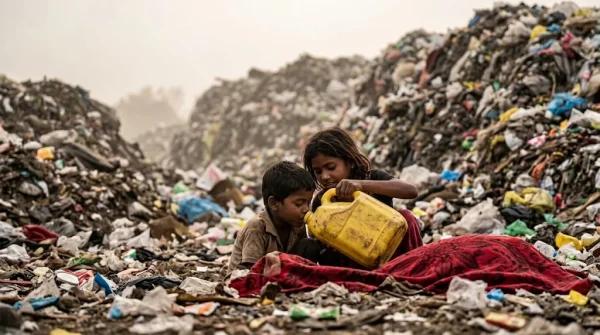


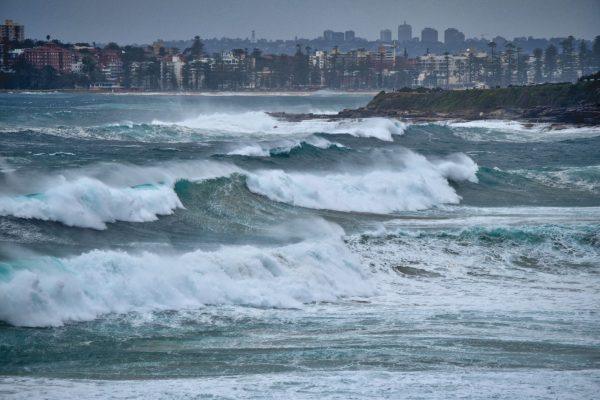

El Niño triggers unprecedented WHO response as global health fears grow
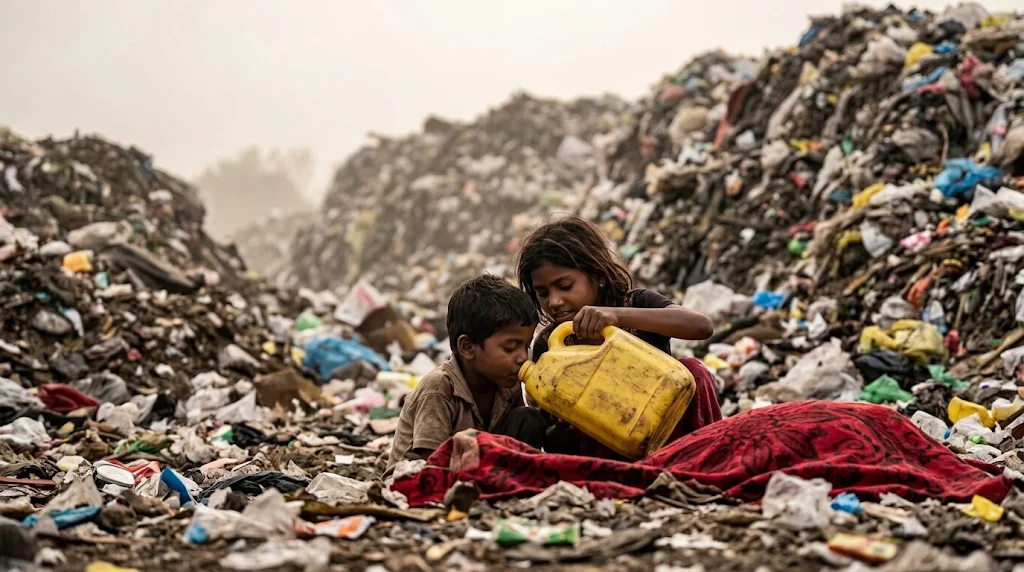
-
Global health fears intensify as international climate conferences face unprecedented environmental emergencies.
-
The World Health Organization mobilizes maximum response levels to mitigate escalating mortality risks worldwide.
-
Scientific reports warn that extreme temperature spikes threaten vulnerable populations across multiple continents.
During the COP31 climate summit in November 2026, El Niño triggers unprecedented WHO response as global health fears grow worldwide, prompting the World Health Organization to classify this weather event’s impacts as a Grade 3 health emergency for the first time in history through the World Meteorological Organization‘s 2026 State of the Climate Report; furthermore, international authorities warn that massive oceanic heat release will place 2026 among the 4 warmest years recorded, proving that preventative healthcare demands immediate resources.
Additionally, WMO Secretary-General Celeste Saulo declared that this cycle redefines global thermal limits by releasing energy previously stored in the oceans; likewise, medical estimates project that super El Niño events will cause over 100K excess heat deaths globally, surpassing the tragic figure of 50K deaths recorded across European cities during the 2026 summer and confirming that temperature spikes accelerate risks.
Global health fears and international response protocols
International agencies deploy multiple emergency actions to curb health impacts stemming from climatic disruptions across continental regions, while the World Health Organization activated its Grade 3 Strategic Preparedness Plan to mobilize massive resources and protect essential health services against cholera, malaria and dengue epidemics; furthermore, scientists urged declaring a Public Health Emergency of International Concern, demonstrating that bureaucracy delays health responses.
Consequently, UN Emergency Relief Coordinator Tom Fletcher warned that over 50M people risk severe hunger as extreme droughts, devastating floods and economic shocks intensify worldwide; furthermore, global health fears demand urgent international mobilization to prevent widespread famine across vulnerable communities, proving that humanitarian aid mitigates climate disasters.
-
WHO Strategic Plan and Scientific Warnings: The World Health Organization activated its Grade 3 Strategic Preparedness Plan to mobilize massive resources and protect essential health services against cholera, malaria and dengue epidemics; furthermore, scientists urged declaring a Public Health Emergency of International Concern, showing how global health fears compel rapid international aid and demonstrating that bureaucracy delays health responses.
-
Humanitarian Vulnerability in Africa: A study published in The Lancet warns that heatwave deaths in Africa will drastically surpass Northern Hemisphere figures; likewise, the research details severe flooding across Central Africa and the Greater Horn of Africa, intense droughts in Southern Africa and severe rainfall anomalies across the Sahel, demonstrating that regional vulnerability prolongs suffering.
Ver esta publicación en Instagram
Climate anomalies and multi-regional impact assessments
Assessments published by the Pan American Health Organization identify serious risks of drought, wildfires and heat stress across the Caribbean, northern South America, and the Amazon Basin; consequently, increased torrential rains will elevate flooding and landslides in Ecuador, northern Peru, western Colombia, southern Brazil, Paraguay, Argentina, and the southern United States, revealing that personal protection prevents accidental infections.
Ultimately, climate summit negotiations underline the imperative need to cut global emissions to prevent catastrophic weather disruptions in the near future; meanwhile, international agencies expand epidemiological monitoring networks, proving that border vigilance protects national livestock against the ongoing threat posed by El Niño.
