

WATCH NOW
Watch on the app














California scientist thought she found a strange rock until photos revealed something prehistoric
-
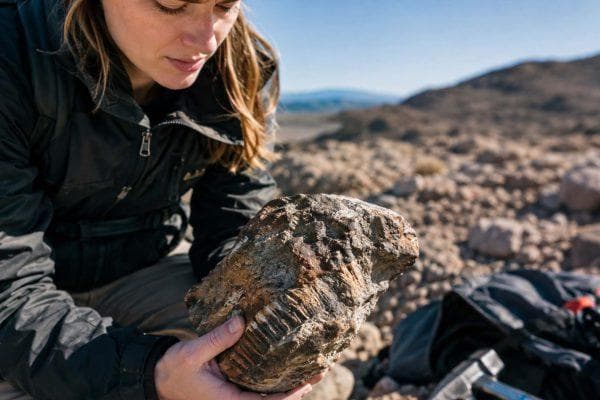
A geomorphologist discovered an exceptionally preserved Pacific mastodon molar in a San Mateo County creek bed during environmental fieldwork.
-
Estimated to be at least 10,000 years old, the fossil is recognized by paleontologists as the most complete mastodon molar found in the Bay Area.
-
The specimen was donated to Stanford University for carbon dating, dietary analysis, and high-resolution 3D printing for educational outreach.
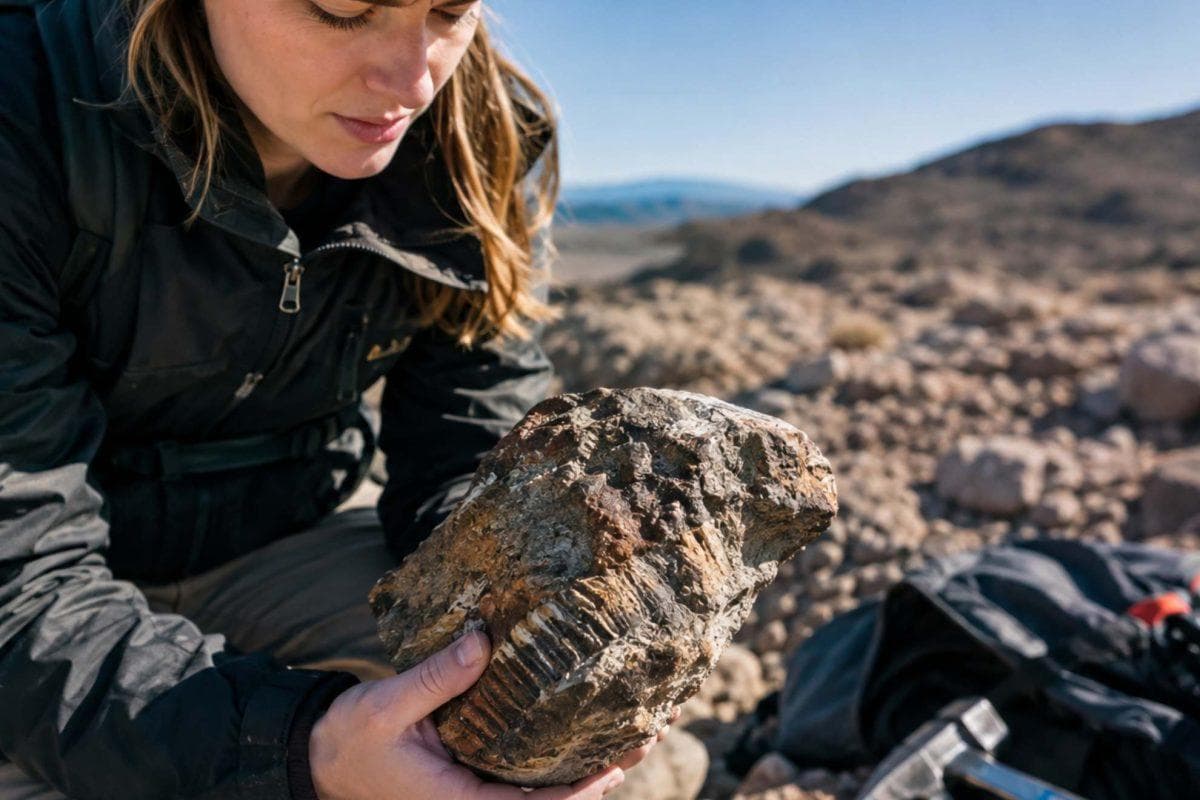
While conducting routine environmental field surveys for a habitat restoration project aimed at protecting the endangered California red legged frog in San Mateo County, geomorphologist Brigid Lynch made a historic paleontological discovery. Standing in a stream bed as part of her work for Balance Hydrologics, Lynch noticed an unusually textured object among the river stones. Initially mistaking the specimen for an oddly shaped rock, she snapped several detailed photographs and continued her survey work. It was not until the following day, after sharing the images with paleontological experts, that the true nature of the object was revealed: an intact upper left molar belonging to an ancient Pacific mastodon (Mammut pacificus).
Ver esta publicación en Instagram
Scientific significance and species profile of the Pacific mastodon
Dating back at least 10,000 years to the late Pleistocene epoch, the fossilized tooth is officially recognized as the most complete mastodon molar ever recovered in the San Francisco Bay Area. First formally classified as a distinct species in 2019 following comparative anatomical studies, the Pacific mastodon once roamed vast territories stretching across present day Oregon, California and parts of Mexico. Unlike woolly mammoths, which primarily grazed on open grasses, Pacific mastodons were specialized browsers. They utilized their trunks to strip leaves, twigs and fruits from woody plants, showing a particular preference for alder trees. These ancient giants inhabited dynamic prehistoric landscapes alongside other megafauna, including saber toothed cats, dire wolves, Colombian mammoths and giant ground sloths.
Ver esta publicación en Instagram
Advanced research and educational initiatives at Stanford University
The Midpeninsula Regional Open Space District has donated the specimen to the Doerr School of Sustainability at Stanford University. Researchers at the university intend to perform precise radiocarbon dating to establish the exact timeline of the fossilized molar. Furthermore, scientific teams will analyze micro wear patterns and stable isotopes within the tooth enamel to gain rare insights into Pleistocene dietary habits and regional climate shifts. To support public education, Stanford scientists plan to produce a high resolution 3D digital scan and print an exact physical replica for Midpen’s community outreach programs.
Ver esta publicación en Instagram
Preservation and ecological insights for the future
To safeguard the discovery site from unauthorized excavation and protect the surrounding habitat, officials are keeping the exact location of the creek strictly confidential. Paleontologists emphasize that discovering intact fossils provides crucial baseline data regarding historical biodiversity. Studying how prehistoric ecosystems adapted to past environmental shifts offers valuable guidance for modern conservationists seeking to protect present day wildlife and foster ecosystem resilience.
