

WATCH NOW
Watch on the app




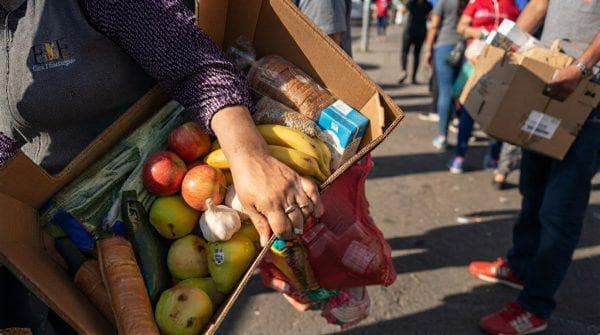










California families have $106 million in food benefits at risk of disappearing
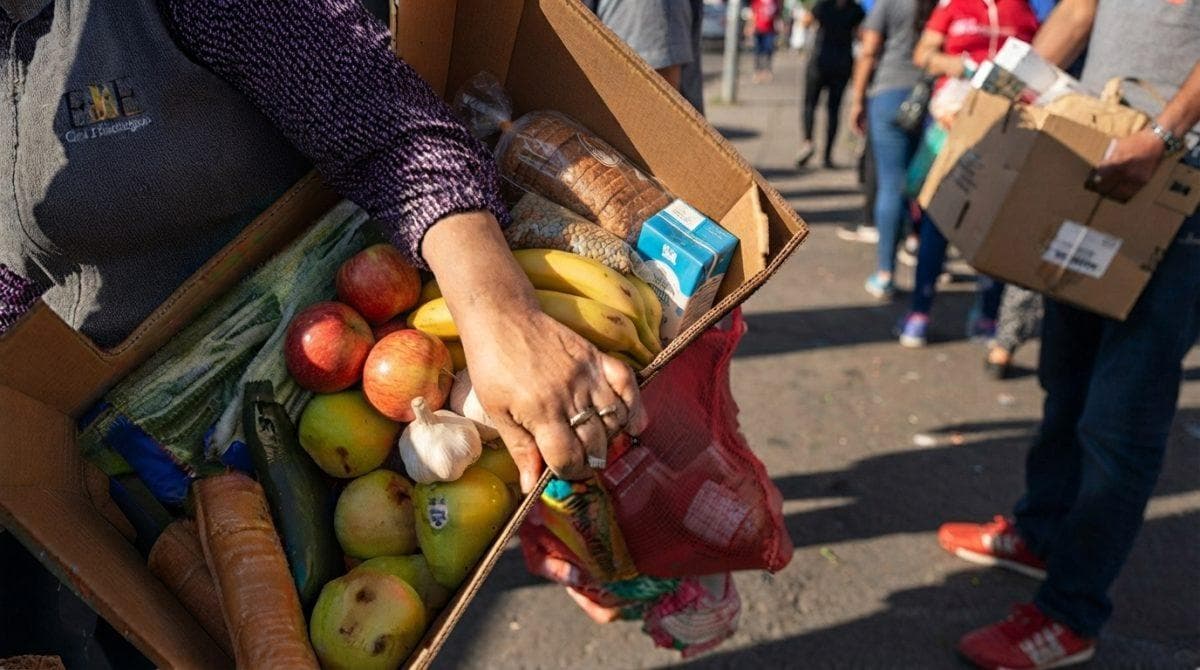
-
California families face a food benefits risk as nearly $106,000,000 remains unspent within established expiration timelines across the region.
-
State administrators emphasize that the summer assistance program distributes $120 per eligible child while enforcing a strict 122-day expiration window following card activation.
-
Federal oversight guidelines mandate thorough resource tracking to ensure nutritional support reaches vulnerable school-aged children before financial allocations expire permanently.
California families navigate urgent administrative deadlines as the California Department of Social Services administers the SUN Bucks initiative during the summer of 2026 and state officials report that nearly $106,000,000 in electronic benefit transfer funds remain unused across local communities, prompting program coordinators to explain that the initiative delivered cards across 2 distinct distribution stages while automatically reaching approximately 3,800,000 children and granting vital nutritional assistance for each eligible participant.
Distribution parameters and eligibility criteria for California families
State authorities evaluate precise income thresholds aligned with 185% of the federal poverty level to determine program access and administrative records indicate that participating households include children receiving free or reduced-price school meals alongside participants enrolled in CalFresh, CalWORKs, or qualifying Medi-Cal tiers, whereas program administrators emphasize that the application window for the 2026 SUN Bucks cycle has officially closed because households that did not receive a card during this period can no longer request assistance for the current summer term and policy analysts highlight that households facing a food benefits risk should prioritize spending allocated balances first.
Ver esta publicación en Instagram
Policy analysts highlight that households receiving overlapping public assistance like CalFresh should prioritize spending the allocated SUN Bucks balances first because these temporary summer allotments carry strict non-renewable expiration dates, whereas historical data compiled by public policy researcher David Rubel and cited by CalMatters shows that approximately $118,000,000 went unused during the previous year alongside nearly 20% of distributed cards remaining entirely unactivated and previous historical records reveal that millions of dollars routinely lapse due to overlooked distribution schedules, prompting state agencies to launch widespread digital awareness campaigns across local municipalities.
Operational protocols and card management guidelines
-
California families manage their available funds and check remaining balances securely through the digital ebtEDGE mobile application or the official online portal provided by state administrators.
-
Eligible recipients purchase authorized grocery items that include fresh fruits and vegetables, whole grains, meat products, poultry, fish, bread, cereals and dairy items at authorized retail locations, thereby mitigating any potential food benefits risk.
-
Administrative regulations strictly prohibit utilizing program funds to purchase hot prepared foods or tobacco, maintaining strict compliance across all participating commercial establishments.
-
Beneficiaries verify that expired funds cannot be reissued, replaced, or credited back under any circumstances once the mandatory 122-day expiration window lapses completely and returns directly to federal reserves overseen by the Food and Nutrition Service.
-
Community organizations collaborate with state welfare departments to track unspent balances and educate recipients regarding proper card activation procedures to minimize financial waste.
Ver esta publicación en Instagram
Financial impact and expiration timelines
Regional economists monitor the ongoing distribution cycle closely as local communities attempt to rescue the remaining unspent funds before expiration dates lapse permanently, and policy experts note that proactive digital tracking helps mitigate the substantial financial losses observed during previous operational terms, while state authorities reiterate that the primary objective centers on combating childhood food insecurity across vulnerable neighborhoods to prevent any food benefits risk before returning allocations to federal reserves.
Comprehensive administrative reports published by the state welfare agency outline clear accountability standards for public assistance distribution and institutional supervisors continue urging recipients to verify their account activity regularly through official digital channels to safeguard against accidental benefit forfeiture, whereas local advocacy networks amplify these critical reminders across municipal platforms, securing transparent oversight of public resources and protecting nutritional stability for California families.
