

WATCH NOW
Watch on the app


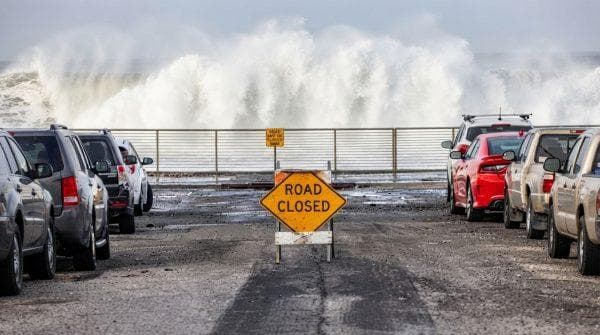











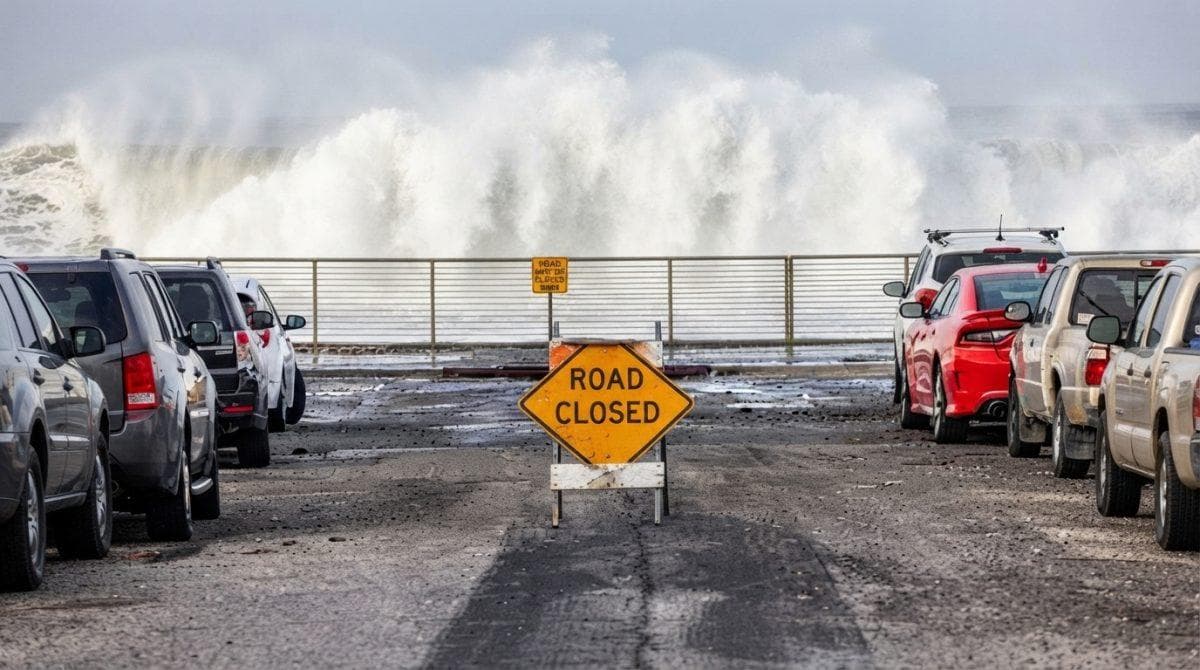
California is fighting back against El Niño but the solution could create a new problem
-
Coastal winter storms trigger urgent infrastructure defenses, creating a delicate coastal fix catch dilemma.
-
State authorities deploy massive barrier systems to safeguard vulnerable sectors from extreme ocean surges.
-
Federal agencies allocate disaster funds to reinforce shorelines and protect coastal communities.
El Niño in California triggers severe weather anomalies across the Pacific coastline, and state emergency management agencies mobilize massive flood mitigation structures to protect densely populated urban centers from catastrophic water accumulation during the winter season, while rising ocean temperatures fuel extreme precipitation events. Furthermore, environmental scientists monitor shifting oceanic temperatures closely, while municipal leaders coordinate comprehensive evacuation protocols to safeguard residents residing within low-lying coastal zones vulnerable to sudden storm surges and intense precipitation and local emergency teams distribute sandbags across high-risk neighborhoods.
Emergency response strategies and coastal fix catch challenges in El Niño in California
State engineers execute ambitious structural interventions along vulnerable beachfronts and local authorities deploy millions of sandbags alongside heavy concrete barriers to deflect surging tides away from residential corridors, whereas environmental protection groups criticize certain heavy-handed engineering methods for disrupting natural sediment transport, while crews work around the clock to secure fragile sea walls. Additionally, municipal planners analyze historical weather patterns documented by the National Oceanic and Atmospheric Administration, while community organizations urge residents living near the affected zones to maintain emergency kits and monitor real-time flood warnings issued by state meteorological services and local residents prepare for mandatory evacuation alerts.
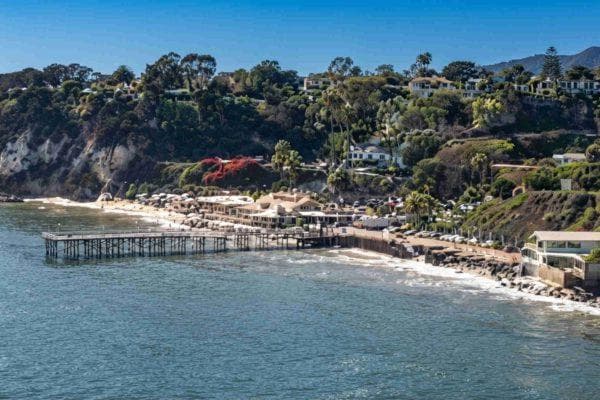
Property owners along Beach Road in Dana Point accelerate the installation of emergency defenses to protect residential structures within the Capistrano Bay Community Services District, and the California Coastal Commission approves 24 emergency permits during September to place new rock revetments alongside vulnerable homes, while property owners invest heavily in immediate structural reinforcement. Furthermore, federal flood maps from the Federal Emergency Management Agency classify all 201 parcels of Beach Road within high-risk flood zones, whereas older unpermitted wooden seawalls fail to withstand the severe wave action and shoreline erosion affecting the region and homeowners face mounting insurance pressures.
Infrastructure risks, railway corridors and mitigation strategies
-
Vital railway lines connecting Orange and San Diego counties transport $1,000,000,000 in cargo annually, facing severe service disruptions accumulating nearly one full year of interruptions since 2021 due to cliff movements and storms despite a major rock reinforcement project completed in 2025 that still experiences sediment spillage onto the tracks, perfectly illustrating a complex coastal fix catch scenario.
-
Orange County Transportation Authority secures over $300,000,000 in state, federal and local funding to protect rail tracks for the coming three decades while state efforts evaluate longer-term solutions, prompting Orange County supervisor Katrina Foley to acknowledge that rock barriers accelerate beach erosion even though emergency preservation remains strictly necessary, and regional transit agencies prioritize uninterrupted freight movement.
-
Local officials launch sediment relocation projects by moving 200,000 cubic yards (approximately 153,000 cubic meters) of sand from the Santa Ana River mouth to Newport Beach to combat ongoing shoreline degradation and protect historical structures, while heavy machinery dredges coastal shipping channels.
-
Municipal workers in Long Beach construct emergency sand berms to contain rising waters, although powerful waves breach coastal walls and damage residential properties across the peninsula during El Niño in California despite protection from a 1940s-era breakwater that pushes sand westward and coastal residents assess extensive property damage.
-
Natural resilience initiatives include relocating vulnerable infrastructure inland, placing protective stones at river mouths and restoring coastal dunes to capture drifting sand organically, mirroring successful projects implemented at Surfers Point in Ventura, and environmental groups advocate for sustainable shoreline management.
Ecological impacts and future climate resilience
United States Geological Survey research geologist Jonathan Warrick explains through the USGS that Capistrano Beach suffers from long-standing sand scarcity and experts warn that beaches remain vulnerable without increased sediment supply, while rigid shoreline hardening creates a double-edged sword that compromises public sandy shores and geologists measure alarming erosion rates along southern shorelines. Additionally, Surfrider Foundation executive director Chad Nelsen notes via the Surfrider Foundation that defensive structures protect private property at the direct expense of narrowing public beaches, whereas fixed seawalls trap coastal zones between rising ocean levels and artificial barriers, prompting the Coastal Commission to evaluate medium- and long-term alternatives such as cobblestone berms, house elevation, and sand replenishment for Beach Road properties, while conservation advocates push for public beach access preservation.
Regional planners evaluate comprehensive resilience frameworks to modernize aging drainage systems and state legislators approve dedicated budgets for subterranean water retention basins capable of capturing millions of gallons of runoff, whereas structural engineers test innovative permeable pavement materials across municipal parking lots and urban developers integrate advanced stormwater capture networks. State environmental protection officers ensure that every defensive engineering project complies strictly with federal conservation laws before returning comprehensive progress reports to El Niño in California, while policy makers shape tomorrow’s climate adaptation playbook.
Ver esta publicación en Instagram
