

WATCH NOW
Watch on the app













Big Tech’s AI empire faces an unexpected enemy, the neighbors next door
-
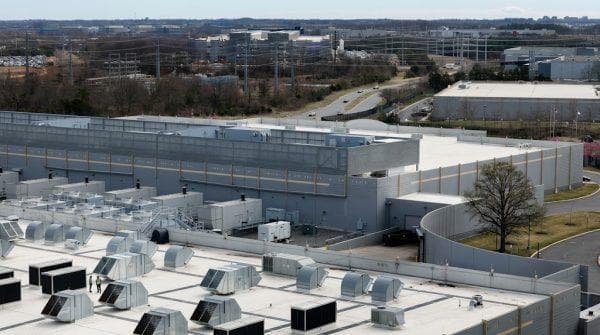
Digital infrastructure growth faces massive voter pushback across key U.S. jurisdictions, stalling multi billion dollar digital expansions.
-
Local building bans and state midterm shifts freeze high energy data center developments in critical growth corridors.
-
Financial markets react with sharp volatility while tech giants face unprecedented municipal regulatory hurdles.
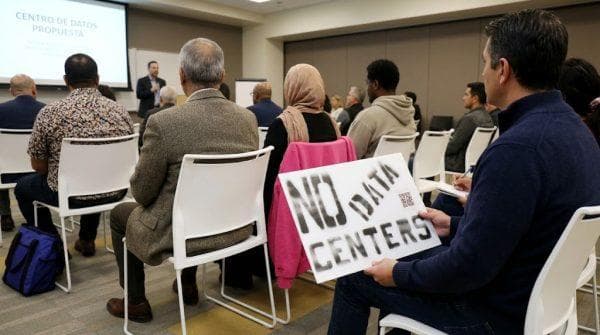
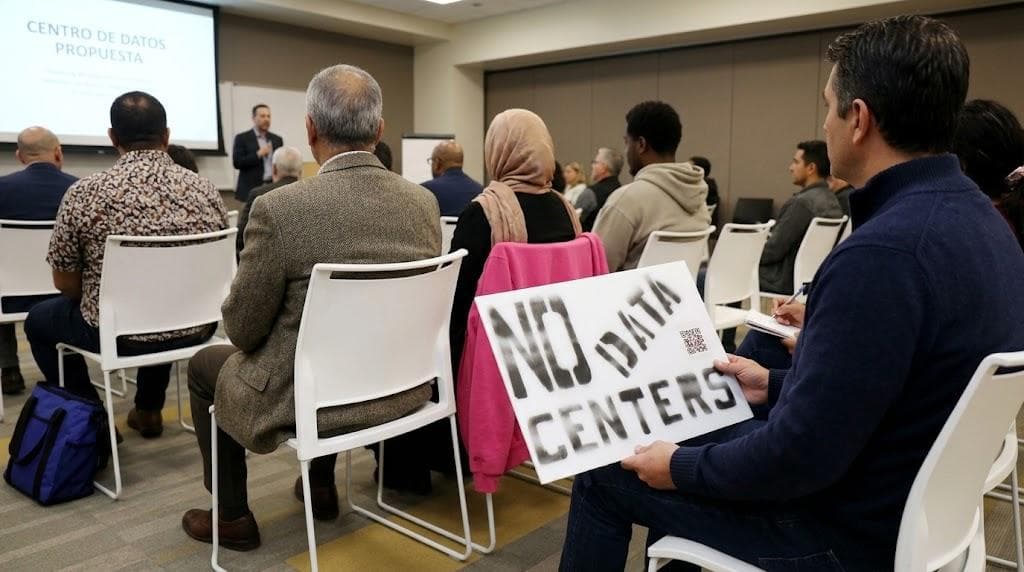
Big Tech’s AI boom faces a new threat from the very communities it needs to grow, as voters in 29 jurisdictions across the United States approved strict bans and restrictions against data center construction during the recent midterm elections, setting off a wave of regulatory friction. This surge of public pushback directly challenges $1B corporate expansion plans, driven by widespread citizen concerns over skyrocketing electricity bills and massive water consumption, which have turned local public hearings into political battlegrounds.
Furthermore, key Democratic victories in Texas, Georgia, Ohio and Pennsylvania establish new state level moratoria that freeze major infrastructure projects, altering the long term site acquisition strategies of major developers. Tech giants face a hostile environment threatening 12 to 18 month site development delays, forcing legal teams to renegotiate regional utility agreements as digital infrastructure growth encounters unprecedented resistance.
Market analysts warn ballot outcomes expose processing capacity to legal scrutiny
However, market analysts at firms like Jefferies emphasize that these ballot outcomes leave roughly 50% of the nation’s proposed artificial intelligence processing capacity exposed to intense legal scrutiny, severely complicating corporate timelines. New environmental regulations demand strict compliance before authorities issue building permits, preventing developers from operating unilaterally on previously agricultural or residential lands without undergoing exhaustive impact assessments.
Similarly, rapid digital infrastructure growth prompted Ballotpedia to record over 50 local measures across 13 states in 2026, where early restrictions passed with sweeping margins between 66% and 90%, proving that citizen skepticism transcends traditional partisan boundaries. Organized grassroots resistance outweighs traditional corporate tax incentives, reshaping the operational trajectory of major technology firms as municipal boards assert full administrative authority over grid access.
Artificial intelligence industry encounters state regulatory walls
The artificial intelligence industry faces an unprecedented political turning point in Texas, where Governor elect Gina Hinojosa defeated Greg Abbott after campaigning on an explicit pledge to halt data center approvals until comprehensive utility safeguards take effect. Texas concentrated nearly 30% of planned 2028 operational capacity, leaving over 13GW of projected power demand, enough to supply 10M homes, stalled in legal uncertainty while state energy boards reevaluate regional grid resilience.
Equally important, Democratic Governor Amy Acton secured victory in Ohio over Vivek Ramaswamy after proposing mandatory environmental conditions for all digital infrastructure developers, while Keisha Lance Bottoms flipped the Georgia executive seat and Josh Shapiro won reelection in Pennsylvania while tightening scrutiny on speculative campus developments. States that once offered aggressive tax exemptions now prioritize public utility preservation, fundamentally shifting the economic calculus for hyperscale cloud operators as digital infrastructure growth slows down.
Wall Street financial markets react to electoral shifts and digital infrastructure growth delays
On the other hand, electoral shifts triggered immediate movements across Wall Street financial markets prior to Wednesday’s opening bell, signaling deep investor concern over projected infrastructure bottlenecks. Shares of Tesla dropped over 6% and SpaceX fell 5.6% in premarket trading, piercing the $135 IPO floor after Elon Musk invested nearly $474M in political campaigns before responding on social media that space based clusters look attractive for orbital computing tasks.
Conversely, market volatility reflects growing anxiety over Big Tech’s AI boom, as Nvidia and Alphabet traded higher after pricing in regulatory risks weeks earlier, while GLJ Research analyst Gordon Johnson warned that unpermitted projects will face 18 month delays or migrate to Oklahoma and Louisiana where local codes remain flexible. PIMCO public policy experts confirmed gubernatorial races inject friction into approval timelines, forcing developers to offer unprecedented local concessions to secure municipal power hookups.
Key factors driving local technology restrictions
-
Big Tech’s AI boom: Ten Ohio towns including Hubbard, Sunbury, Pataskala, and Trenton enacted direct building bans while Wilmington voters rejected 4 crucial land rezonings, effectively shutting down $1B campus proposals.
-
Digital infrastructure growth: Data Center Watch reported 45 project cancellations in Q2 2026 as local communities act decisively to safeguard regional drinking water reserves and mitigate thermal pollution.
-
Sentiment shifts: Pew Research Center surveys indicate that 50% of Americans feel more concern than excitement regarding rapid automated system deployment, fueling coordinated public pushback at local council meetings.
-
Financial revaluation: Wall Street analysts revise corporate valuations downward amid operational delays ranging from 12 to 18 months across multiple high density state markets.
-
Geographic migration: Developers attempt shifting infrastructure toward neighboring states with flexible regulatory frameworks to avoid protracted municipal litigation and costly site idle times.
Strategic expansion and market shift in digital infrastructure
The solidifying opposition recorded across local ballot measures proves that computing power expansion no longer relies solely on capital investments or federal lobbying efforts. Expanded authority of local city councils permanently redefines tech developments, demonstrating that Big Tech’s AI boom faces a new threat from the very communities it needs to grow.
