

WATCH NOW
Watch on the app




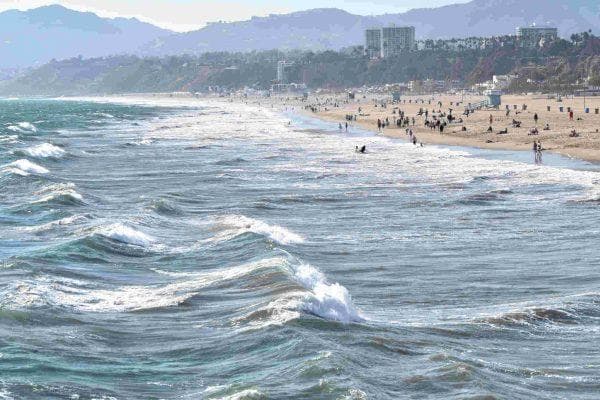










El Niño could trigger a massive ocean wave that raises sea levels along California’s coast
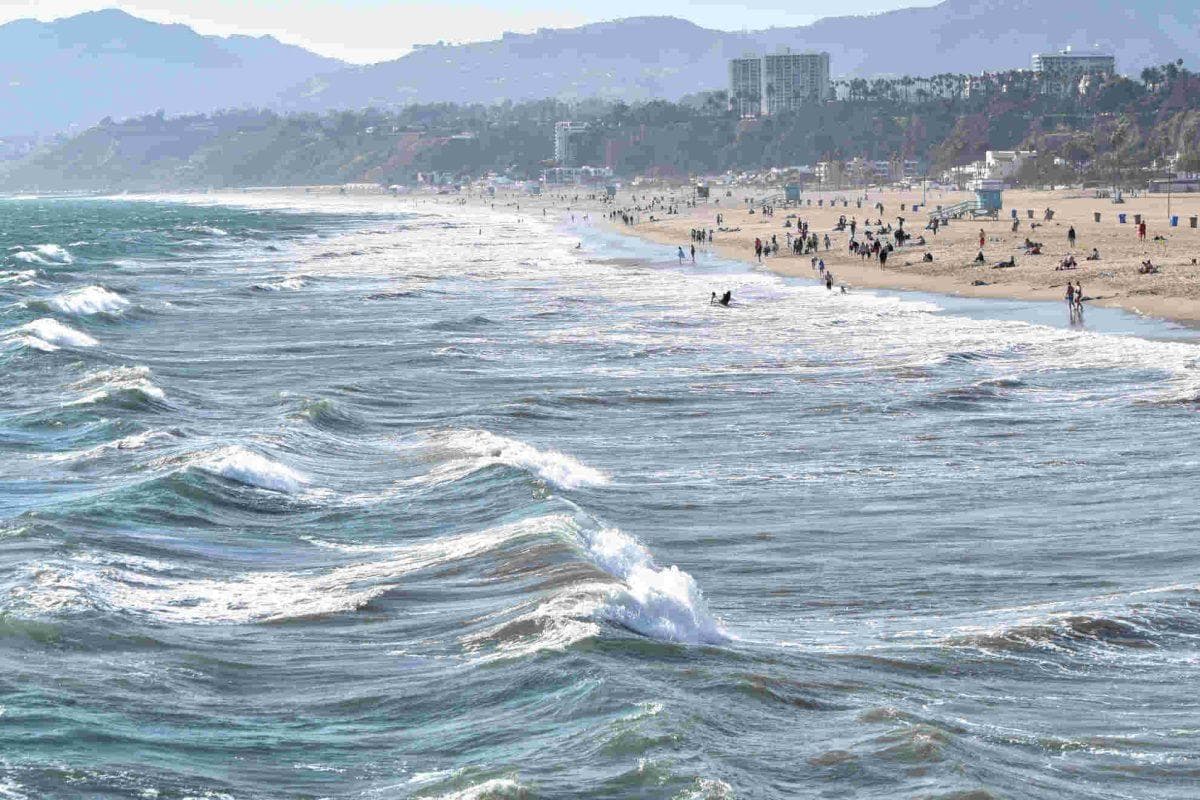
- El Niño unleashes a massive Kelvin wave across the Pacific Ocean, causing a sustained rise in sea levels over the coming months.
- Experts warn that thermal expansion of ocean waters will generate an additional sea level rise of up to 30 centimeters along California.
- Local authorities declare emergency measures to reinforce coastal defenses against the imminent risk of severe flooding and winter storms.
The impact of the Kelvin wave and the climate phenomenon across the Pacific Ocean
The international scientific community remains on high alert due to the formation of a colossal perturbation across the Pacific Ocean, where the arrival of a powerful El Niño episode begins driving a massive Kelvin wave that will completely transform North America’s coastal dynamics; unlike traditional surface waves, this extraordinary phenomenon consists of a gigantic deep-moving warm water mass that drastically alters marine thermal boundaries, causing sea levels to experience a prolonged and uninterrupted rise for several consecutive weeks. Furthermore, this ocean behavior driven by El Niño weakens equatorial trade winds and shifts massive volumes of water eastward, creating a high-vulnerability scenario where the presence of the Kelvin wave threatens shoreline stability through sudden spikes driven by thermal expansion in California.
Severe coastal consequences and the implemented emergency measures
Facing the latent risk of devastating flooding and accelerated beach erosion, California government agencies activated emergency protocols to mitigate the havoc that the Kelvin wave will cause when combining with seasonal winter storms. Likewise, technical projections crafted by specialists indicate that accumulated ocean warming, added to the historical 20-centimeter increase stemming from climate change, will raise sea levels by up to an additional 30 centimeters, which forced state officials to expedite protective works and streamline infrastructure permits. In this manner, the destruction associated with El Niño and the relentless Kelvin wave compels local administrations to safeguard essential public services and protect communities, while the coastal commission insists on taking extreme precautions given the potential formation of cyclones and destructive winter storms over the coming months.
Ver esta publicación en Instagram
The climate challenge and institutional response facing the ocean crisis
On the other hand, the convergence of these extreme factors highlights the urgency of adapting shoreline defenses against the constant alterations that El Niño and the Kelvin wave inflict upon California’s marine ecosystem balance. Likewise, various state officials stress that advance planning represents the only viable tool for safeguarding natural resources and preventing catastrophic material losses across urban areas most exposed to high tides. Consequently, the arrival of the Kelvin wave consolidated by the force of El Niño and winter storms marks a turning point in climate crisis management, forcing authorities to maintain permanent surveillance over Pacific Ocean behavior, sea levels and their inevitable repercussions throughout western American communities.
