

WATCH NOW
Watch on the app













AI’s gold rush turns into a Wild West nightmare as gangs steal millions in high tech equipment
-
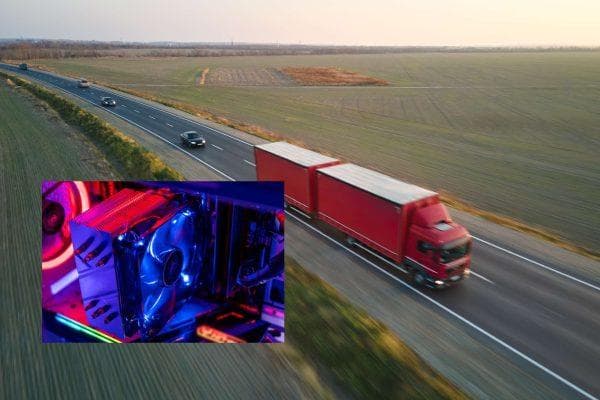
Soaring global demand for artificial intelligence hardware drives widespread organized cargo theft across transit corridors.
-
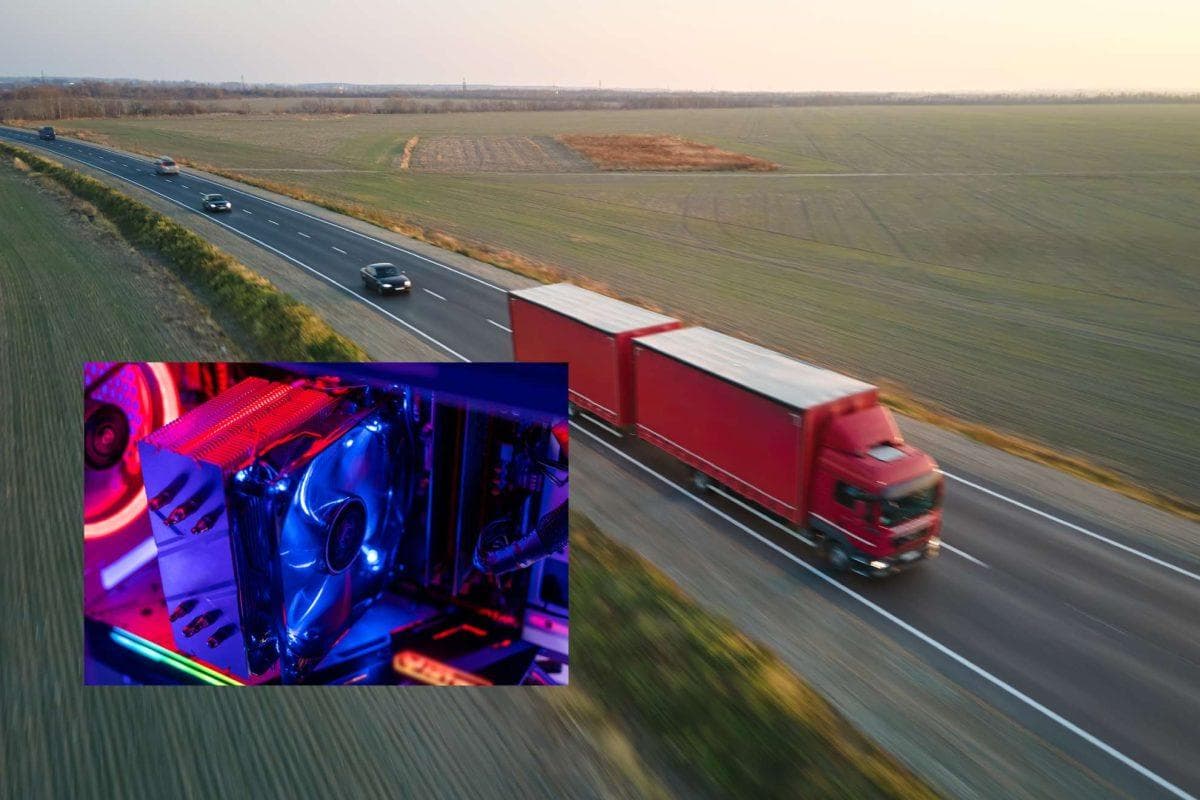
Sophisticated cybercrime rings exploit digital logistics systems to hijack tractor trailers loaded with advanced microchips.
-
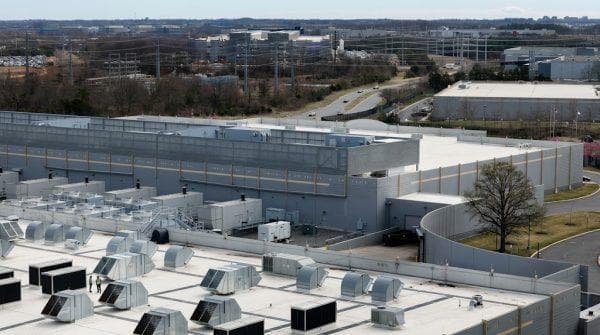
Stolen technology components are rapidly exported overseas to supply black market demand for data center expansion.
The relentless global race to expand artificial intelligence capabilities has initiated an unprecedented commercial gold rush across the digital ecosystem. Within this rapidly evolving economic environment, data processing centers have established themselves as the core infrastructure driving high performance computing. However, this massive industrial expansion has simultaneously triggered a widespread supply chain nightmare reminiscent of historic frontier highway robberies, creating severe distribution bottlenecks for technology manufacturers.
Ver esta publicación en Instagram
Evolving criminal targets within the freight supply chain
Organized crime networks have systematically shifted their focus away from conventional commercial freight to target high value computing hardware instead. Criminal syndicates specifically hunt for transit trailers carrying specialized graphic processing units, high density server memory modules, custom circuit boards and industrial copper cabling. The cumulative financial losses stemming from these targeted cargo diversions have escalated sharply, impacting major logistics providers and hardware distributors across key transit networks.
Digital impersonation strategies replacing physical blockades
Rather than risking direct physical confrontations along major highways, modern cargo theft rings utilize sophisticated cyber tactics to compromise logistics operations. Federal law enforcement agencies have issued warnings regarding widespread email spoofing campaigns that allow criminals to impersonate accredited freight brokerage firms. By compromising digital shipping portals, these criminal organizations secure legitimate transport assignments, alter delivery destination files and arrange for warehouse personnel to load multi million dollar technology shipments directly into vehicles managed by the theft syndicate.
Component shortages driving unprecedented cargo valuations
The underlying catalyst driving this resurgence in targeted freight crime is the severe global shortage of specialized microprocessors and enterprise memory units. Market prices for server grade components have surged to record levels over recent quarters, effectively transforming standard transport trailers into exceptionally valuable targets traveling under basic security protocols. Industry security audits indicate that while the total volume of freight theft incidents has experienced a slight numeric decline, the average financial damage incurred per individual robbery has increased dramatically.
International black market channels and illegal exports
The liquidation of stolen enterprise hardware relies on established black market distribution networks servicing international buyers seeking computing infrastructure. Logistics security experts confirm that organized theft syndicates usually operate with prearranged purchase contracts, enabling them to move stolen server racks and specialized microchips into secondary supply channels within days of the initial diversion. Industry intelligence reports estimate that a substantial majority of technology hardware stolen along domestic transit routes is illegally exported out of the country to equip foreign data centers striving to increase their processing power.
Ver esta publicación en Instagram
Long term implications for artificial intelligence development
This widespread security challenge is forcing logistics managers and technology executives to completely overhaul their physical security protocols. As transport companies invest in armored escort vehicles, real time GPS tracking systems and stricter driver verification measures, total operational costs continue to rise. Unless supply chain security adapts to neutralize these cyber enabled freight diversions, ongoing cargo losses will continue to disrupt the global distribution of critical artificial intelligence infrastructure.
