

WATCH NOW
Watch on the app















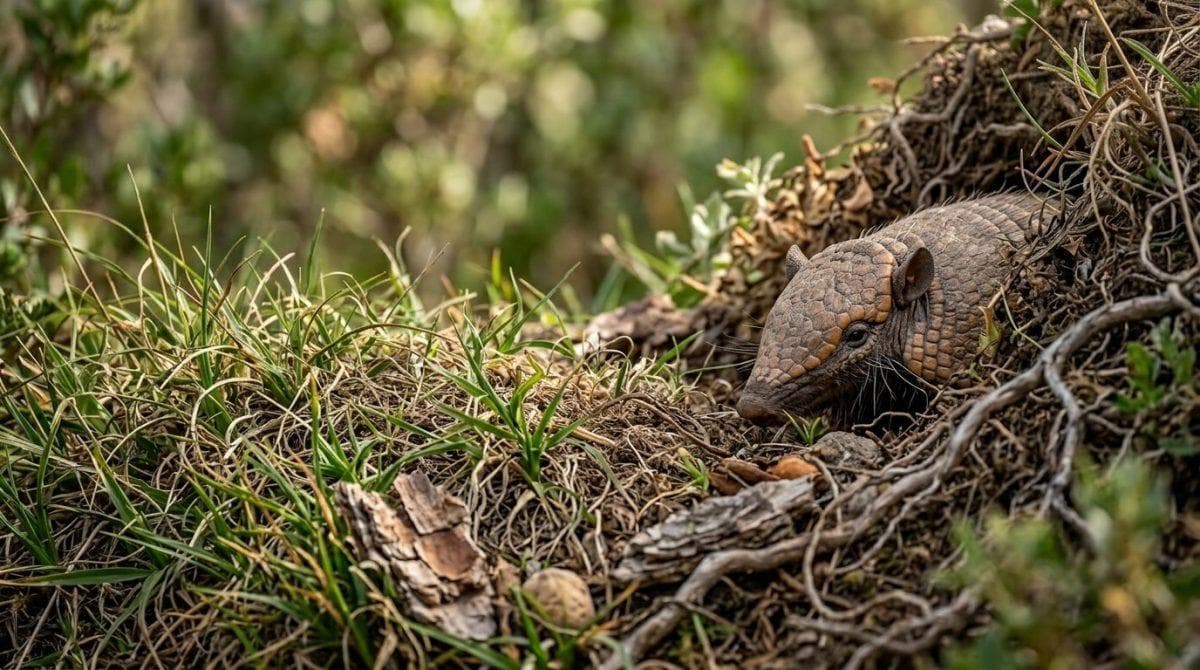
Biblical disease concerns rise in Florida as experts warn about armadillo contact
-
Ancient disease outbreak triggers health alarms across the southern region of the country, while specialists point to the armadillo as the primary transmitter of this millennial pathogen.
-
Health institutions report a sustained increase in annual infections throughout American territory, while the sunshine state concentrates the highest volume of recent positive diagnoses.
-
Researchers from the University of Florida detail how bacteria survive within soil, simultaneously warning about the hidden hazards tied to indirect contact with wildlife burrows.
Biblical plague in Florida launches a striking phenomenon shaping the current healthcare landscape due to the rapid proliferation of nine-banded armadillos; consequently, the Centers for Disease Control and Prevention document alarming statistics that activate epidemiological alerts statewide while Mycobacterium leprae bacteria freely circulate through sandy soils where these animals dig for food, cementing a zoonotic transmission route that veterinary authorities have investigated thoroughly for decades.
Additionally, medical institutions report a total of 17 cases confirmed during the current annual period; meanwhile, this steady surge concerns epidemiologists because previous statistics reflected lower incidence across the region, prompting experts to urge residents to exercise extreme caution when handling garden soil and transforming prevention into the single most effective tool to halt this unusual microbiological advance.
Ancient disease outbreak and its habits
-
Nine-banded armadillos routinely roam southern suburbs searching for buried insects and snails, while underground burrows accumulate active bacteria that contaminate surrounding earth for extended periods.
-
Scientific investigations from the University of Florida demonstrate that direct contact with damp soil facilitates cutaneous pathogen transmission; however, authorities clarify that human contagion requires prolonged exposure.
-
Dermatological and neurological symptoms take up to 20 years to manifest visibly within the human body, though physicians remind patients that antibiotic treatments prove highly effective starting from the initial administered dose.
-
Official statistics reveal a significant rebound jumping from 8 cases in 2022 up to 26 diagnoses last year, meaning continuous monitoring safeguards public health against this zoonotic threat.
Ver esta publicación en Instagram
Furthermore, this ancient disease outbreak highlights how local residents frequently ignore the risks linked to wildlife wandering near residential porches; for this reason, specialists mandate protective gloves during gardening chores, while vehicular accidents involving these animals represent a latent risk vector prompting experts to advise vehicle disinfection following any impact on secondary roadways.
How to protect yourself and prevent infections
-
The Centers for Disease Control and Prevention point out that most individuals infected within American territory contract the pathogen in foreign nations such as Brazil, India, and Indonesia, where figures exceed 10,000 new cases annually.
-
Health authorities remind the public that the condition maintains a very low incidence across the United States, recording a maximum limit of 250 cases per year, which rules out an immediate massive contagion among the general population.
-
Specialists insist on avoiding any direct contact with wild armadillos, recommending the mandatory use of protective gloves and strict hygiene when handling soil during gardening or domestic agricultural tasks.
-
Various researchers warn about a hidden risk factor tied to wildlife struck on roadways, suggesting that a vehicular impact requires washing the car thoroughly to eliminate active bacteria.
Furthermore, this preventive guide underscores the importance of maintaining caution around any wildlife carcasses found along public highways; for this reason, constant vigilance and common sense form the best defense to safeguard family health in high-risk zones.
Disease outbreak vs the rise of leprosy
Equally, this ancient disease outbreak proves that medical communities insist on maintaining safe distances from local fauna; conversely, federal guidelines emphasize avoiding any handling of animal carcasses found along public highways, while ongoing epidemiological surveillance evaluates the territorial expansion of these mammals toward northern states and health authorities guarantee the healthcare system possesses necessary pharmaceuticals to eradicate the condition promptly. Meanwhile, civic awareness solidifies the primary method preventing new infections across affected residential zones; consequently, environmental education alongside scientific rigor clears the pathway toward the ultimate eradication of this biblical plague in Florida.
Ver esta publicación en Instagram
Biblical plague in Florida and the ancient disease outbreak origins
Within biblical context, the condition emerges frequently as a physical ailment tied to historical disobedience, though scholars interpret this ancient perspective carefully rather than as a literal medical verdict today. Historical scriptures reference these skin afflictions in passages like Leviticus 13: 1-2, which states:
“The Lord said to Moses and Aaron, ‘When anyone has a swelling, a rash, or a bright spot on their skin that may become a diseased skin lesion, they shall be brought to Aaron the priest or to one of his sons who is a priest.'”
This sacred verse reveals the deep-rooted historical connection between early spiritual beliefs and physical maladies, establishing how ancient societies perceived these persistent ailments long before modern microbiology identified bacterial causes. Furthermore, this perspective bridges historical records with contemporary public health awareness, ensuring communities understand both the ancient roots and the modern reality of this condition.
