

WATCH NOW
Watch on the app








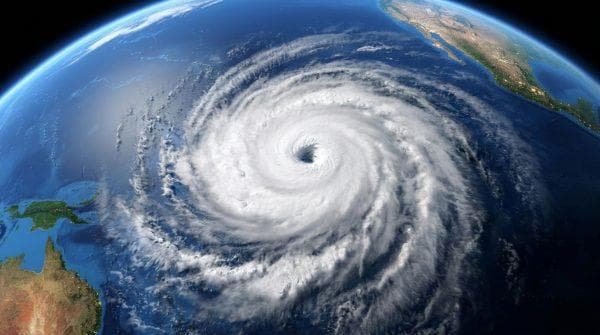






World’s strongest storm of 2026 fueled by Super El Niño forces flight cancellations
-
Super El Niño weather patterns intensify Pacific typhoons while altering atmospheric structures from Asia to Europe.
-
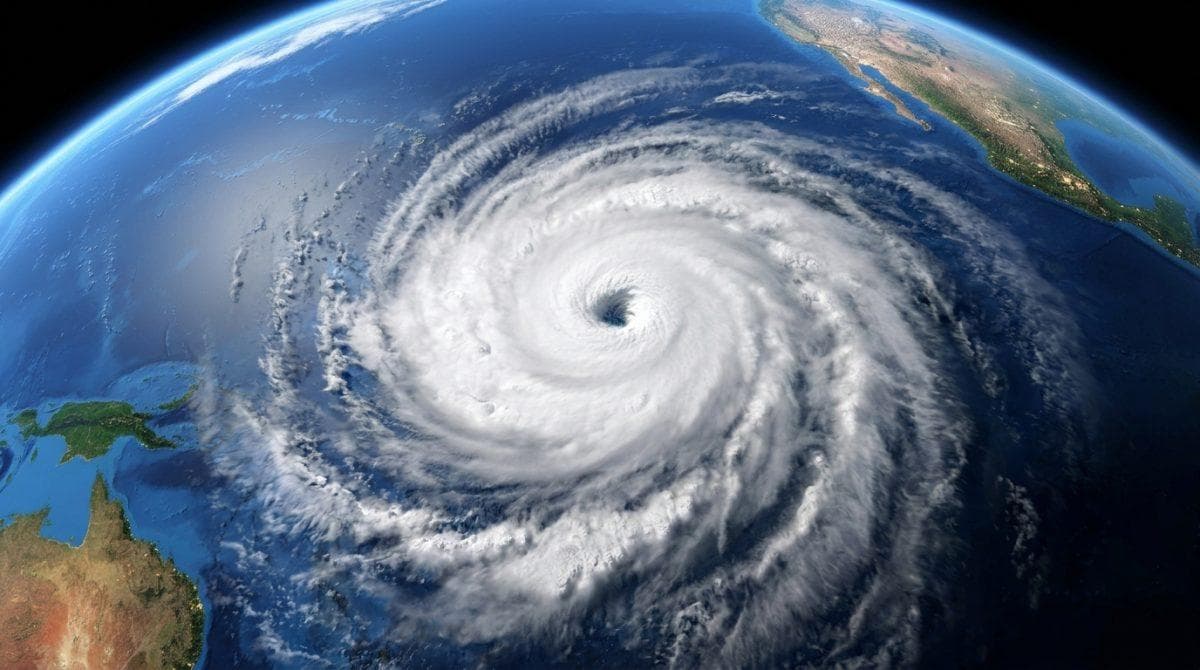
Super Typhoon Champi packs wind gusts reaching 185 mph as it barrels toward Taiwan, China and the Philippines.
-
Taiwan officials suspended ferry routes, canceled over 125 flights (mostly domestic) and issued strict fines of up to NT$250k for restricted area violations.
Atmospheric conditions powered by Super El Niño drove the world’s strongest storm of 2026 toward Taiwan, China and the Philippines; consequently, aviation authorities suspended 10s of international and domestic routes while civil defense teams issued emergency land and sea warnings across vulnerable coastal zones.
On the other hand, carrying peak wind gusts reaching 185 mph, Super Typhoon Champi currently holds Category 5 hurricane equivalence as it moves west northwest across the Philippine Sea, trailing heavy rain and severe turbulence following its recent passage past the U.S. territory of Guam in the Western Pacific.
Ver esta publicación en Instagram
The world’s strongest storm causes major flight disruptions
In the 1st place, atmospheric pressure changes driven by Super El Niño caused aviation officials in Taipei to cancel 125 flights across regional airports, with official reports indicating that the majority were domestic routes; meanwhile, maritime operators halted all public ferry services and secured harbors to prevent coastal casualties amid rapidly rising tide forecasts.
Furthermore, forecasters at the Central Weather Administration estimated that the primary impact will occur during Friday and Saturday, prompting emergency measures across northern mountainous sectors where meteorologists predict over 3 ft of torrential rainfall alongside dangerous 20 ft coastal waves threatening low lying communities.
Official preparedness statement:
Addressing citizens through official social media platforms, President Lai Ching-te urged residents to evacuate flood prone sectors and avoid dangerous shorelines:
“A little more preparation means less risk, so everyone must avoid mountainous and coastal zones as severe weather approaches.”
Regional emergency response and legal sanctions
The threat of widespread flooding prompted public safety teams to deploy heavy duty water pumps in high risk urban sectors, while forestry and park authorities closed major tourist attractions and hiking trails across affected districts to prevent travelers from becoming stranded.
In addition, severe atmospheric instability influenced by Super El Niño prompted municipal authorities in Taipei to issue strict warning protocols alongside mobile emergency alerts sent directly to residents’ mobile phones; specifically, offenders entering restricted coastal zones face steep fines reaching NT$250k (£5.7k) as law enforcement officers enforce strict physical barriers along dangerous beachlines.
Ver esta publicación en Instagram
Regional impacts and global shifts driven by Super El Niño
-
Pacific Typhoon acceleration and Atlantic reduction: Ocean surface temperatures rising past 85 °F from Super El Niño create fewer Atlantic storms while fueling the world’s strongest storm systems farther east in the Pacific, significantly increasing typhoon intensity near Taiwan, China, and Japan.
-
Primary threat zones in Asia: Super Typhoon Champi directly threatens coastal towns across Taiwan, northern mountainous sectors, mainland China, and Japan’s southern islands with extreme rainfall and dangerous wave swells.
-
North American coastal risks: Climate researchers at Scientific American note that ocean warming conditions elevate sea levels along western coastlines stretching from Alaska down to Chile, heightening coastal erosion and flood risks.
-
European winter climate shift: Weather models from the BBC indicate wetter, stormier winter weather across Western Europe, while Southern Hemisphere regions face prolonged drought conditions.
-
Indirect impact on the UK: While Super Typhoon Champi will not hit Europe directly, shifting atmospheric pressure triggers an indirect effect on the UK, bringing wetter weather throughout autumn and early winter.
In the same manner, international weather agencies continue monitoring Pacific ocean warming trends after measuring the impact of the world’s strongest storm, proving that shifting climate patterns actively alter global storm trajectories and air transportation safety standards across multiple continents.
