

WATCH NOW
Watch on the app












Villano Antillano turns fear into power with her boldest album yet
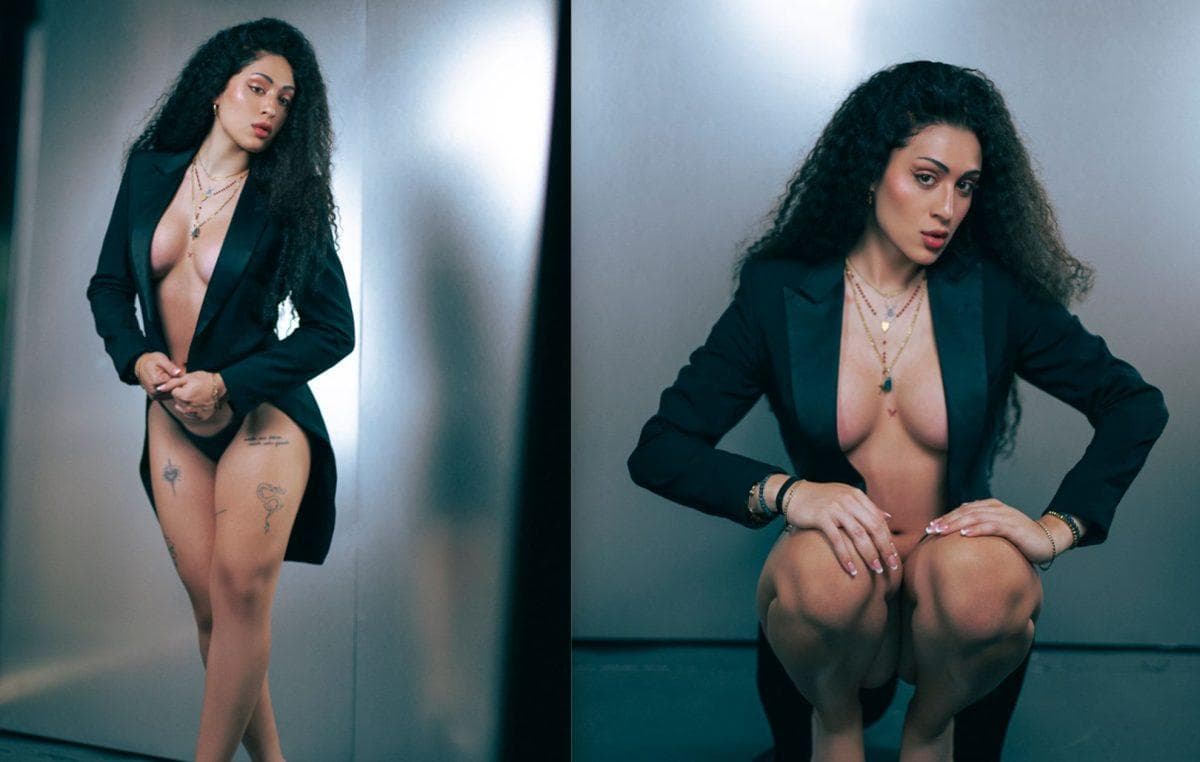
Puerto Rican rapper Villano Antillano has never been interested in making herself smaller to fit the expectations of Latin urban music. Her unapologetic lyrics, commanding delivery and willingness to challenge conventions have helped establish her as one of the genre’s most distinctive voices. Now, her latest album reveals another side of an artist who has built her career on refusing to be silenced.
With Ante el Umbral del Peligro No Siento Temor, Villano moves beyond the defiance that made her a breakout name. The project explores what happens when confidence meets vulnerability, when anger becomes a source of clarity and when personal transformation requires confronting uncomfortable truths. Rather than abandoning her provocative style, she gives it a deeper emotional foundation.
Released on August 28, 2026, the 12-track album takes listeners through a journey shaped by denial, anger and acceptance. Produced by Groove 2070, the record blends rap, trap, reggaeton and electronic influences while maintaining the sharp lyricism that has become central to Villano’s identity. Its title, which translates to At the Threshold of Danger, I Feel No Fear, captures the tension running throughout the project.
A new chapter for an artist who refuses to conform
For Villano, artistic growth has also meant navigating major personal changes. Her experiences leaving Puerto Rico, building a career beyond the island and finding her place in an increasingly competitive music industry have shaped her perspective. That evolution gives the album a sense of reflection without sacrificing the confrontational energy that first attracted attention to her music.
Songs including “Bichifokel,” “¡Ráspate!” and “Pichersita” help illustrate the album’s emotional progression. Across the project, Villano shifts between aggression, self-examination and acceptance, demonstrating how the same artist who can deliver fearless bars can also make room for uncertainty. The result is a record that treats vulnerability not as the opposite of strength, but as part of it.

Her influence also extends beyond the recording studio. As a transgender Puerto Rican woman working in a genre long shaped by traditional expectations of gender and identity, Villano has expanded the possibilities of who gets to occupy space in Latin urban music. Yet her significance cannot be reduced to representation alone. Her technical ability, musical experimentation and distinctive artistic vision are equally important to understanding her rise.
With Ante el Umbral del Peligro No Siento Temor, Villano Antillano makes a compelling case for an artist whose ambition continues to evolve. The album is not simply another declaration of fearlessness. It is an exploration of what that fearlessness demands, and how confronting personal challenges can open the door to a new creative identity.
