

WATCH NOW
Watch on the app







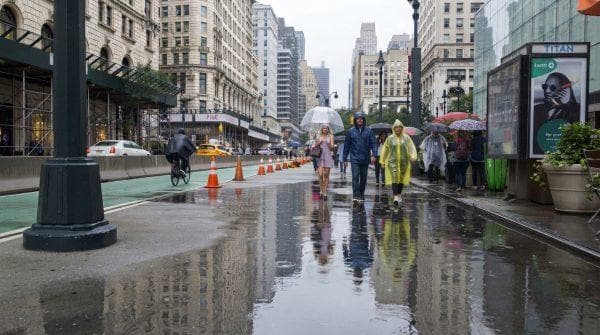



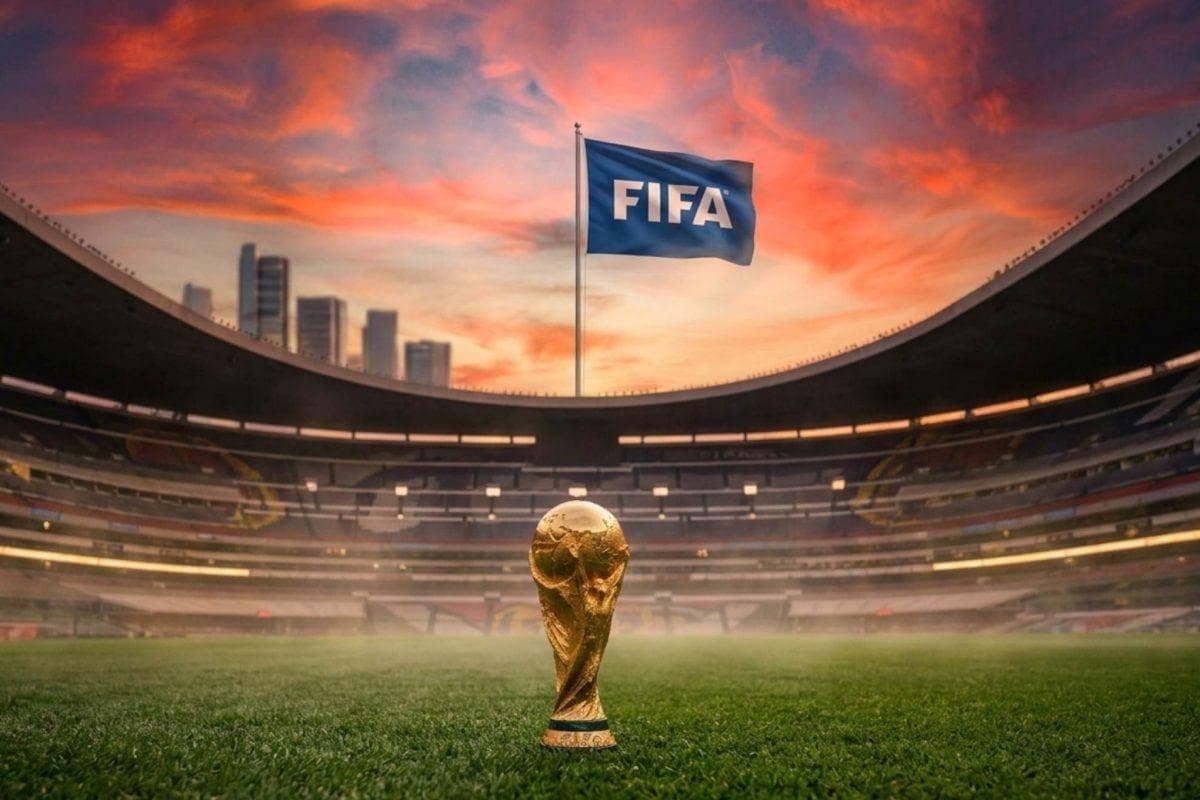
What will happen to the World Cup in the United States amid the conflict with Irán and the current geopolitical situation?
-
With only 100 days until kickoff, the military escalation between the U.S. and Iran casts doubt on the Persian team’s participation and strains the logistics of the largest tournament in history.
-
FIFA faces a “perfect storm” combining external wars, internal violence in Mexican host cities and a budget crisis for Fan Fests in U.S. cities.
-
Despite the climate of uncertainty, officials and organizers are meeting in Atlanta to safeguard the event that promises to unite 48 nations in an unprecedented expanded format.
With only 100 days until the ball starts rolling at the 2026 World Cup, sporting optimism has been interrupted by a thick layer of geopolitical tension due to the recent outbreak of military conflict between The United States and Irán. This situation not only raises ethical questions about the tournament’s execution but also generates an immediate logistical complication, as the Iranian national team is scheduled for key matches on U.S. soil, specifically in Inglewood and Seattle. Although Iran’s top football official, Mehdi Taj, has stated that it is difficult to look at the tournament with hope following the attacks that resulted in the death of Supreme Leader Ali Khamenei, the federation has not yet formalized a withdrawal, which would mark a negative milestone not seen in the last 75 years of the World Cup.
Security and logistics challenges at host venues
Beyond the echoes of war in the Middle East, local organizers must deal with equally complex domestic fronts, such as the recent wave of violence in the state of Jalisco following the downfall of cartel leaders. Guadalajara, one of the fundamental host cities of the tournament, is under international scrutiny; nevertheless, President Claudia Sheinbaum and FIFA President Gianni Infantino have reaffirmed their confidence in Mexican security protocols to guarantee the integrity of fans. Added to this is the uncertainty in venues like Foxborough, where local authorities are demanding millions in funding for police deployment, even threatening not to issue necessary permits if financial disputes are not resolved before March 17.
Crisis in Fan Festivals
The “Fan Fest” experience, which has traditionally been the vibrant and free heart of the World Cup for those without tickets, is undergoing drastic cuts in several United States cities due to a lack of federal funding. Locations like New Jersey have already canceled their massive events, while Boston and Seattle have had to reschedule their activities into much smaller formats and, in some cases, with a cost to the public. This situation is a direct consequence of the withholding of funds in the Department of Homeland Security, caused by political infighting in the U.S. Congress, leaving host committees in a race against time to rescue the inclusive essence that FIFA originally promised.
The cost of the spectacle and fan reaction
Finally, the economic aspect is also generating considerable friction due to the exponential increase in ticket prices, which have reached astronomical figures near $8,000 in certain markets. Facing a barrage of criticism for excluding loyal fans, FIFA has attempted to mitigate the impact by announcing a reserve of more affordable $60 tickets, although most seats available on official resale platforms still exceed the $1,000 mark. Despite this grim outlook mixing tariffs, travel restrictions, and the drums of war, the football world hopes that once the ball rolls on June 11 in Mexico City, the sport will succeed, as in past editions, in taking over the headlines and offering a respite from global tension.
