

WATCH NOW
Watch on the app











California beachgoers witness alarming scene as live whale washes ashore in Santa Cruz
-
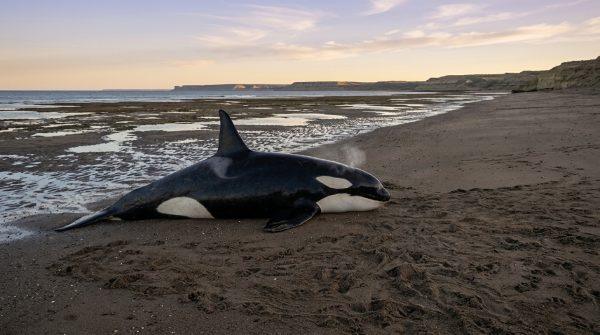
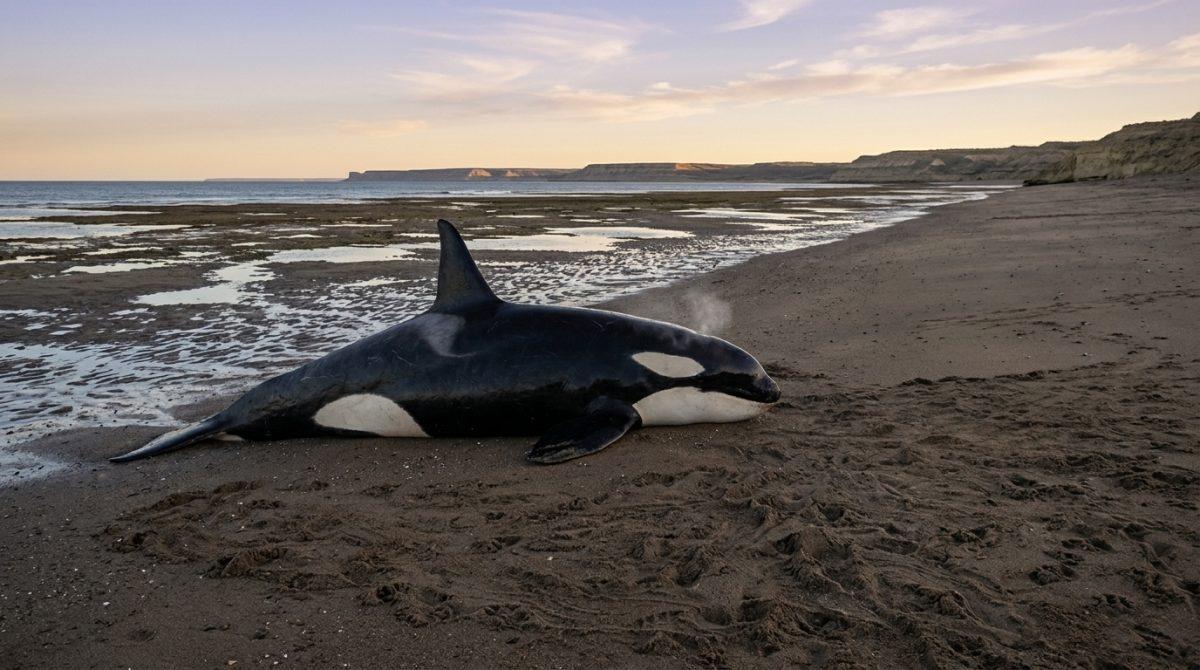
California beachgoers witness an alarming scene as a Live whale washes ashore on a Santa Cruz beach, generating widespread concern among environmental groups and local municipal authorities along the California coast.
-
Wildlife experts from the Marine Mammal Center and the University of California, Santa Cruz coordinate rapid emergency response operations after the massive marine mammal strands on a local public shoreline.
-
City officials maintain strict perimeter restrictions across the Santa Cruz beach while marine safety personnel evaluate safe removal logistics following the tragic stranding event.
A giant cetacean appeared stranded along the coast on Thursday morning, prompting an immediate emergency response from municipal agencies as crews rushed toward the site located specifically at Cowell Beach, and this striking event involved marine safety personnel alongside local government officials who cordoned off the affected perimeter to protect onlookers while recalling the vulnerability of oceanic fauna against prolonged illnesses. Furthermore, the appearance of this juvenile specimen shocked beachgoers present in the coastal area and authorities highlighted that Live whale washes ashore marks an alarming milestone for regional conservation due to the severely deteriorated physical conditions the animal exhibited prior to its definitive demise.
Equally, wildlife specialists confirmed that the specimen suffered from severe malnutrition associated with prior chronic pathologies, which led experts from the National Oceanic and Atmospheric Administration to assume technical coordination alongside the Santa Cruz Fire Department to plan its safe extraction while Bill Karpowicz officially confirmed the cetacean’s passing and academic institutions united operational efforts to address the ecological emergency.
Ver esta publicación en Instagram
Scientific revelations and rescue protocols at a Santa Cruz beach
Marine biologists meticulously examined the cetacean remains to document the biological causes of its arrival at the shoreline and initial evaluations confirmed that it was a juvenile specimen with considerable body measurements while the municipal administration implemented strict logistical measures at a Santa Cruz beach.
Transmitters deployed across regional waters provided historical migration tracking data, and field researchers analyzed biological samples to isolate potential pathogens affecting local marine populations during seasonal shifts.
Operational logistics and safety in the coastal zone
Specialists recalled that these marine animals attain colossal dimensions during their adult stage, detailing that mature specimens of this species can grow up to 85 feet in length and weigh up to 80 tons, while oceanographic researchers frequently study historical stranding patterns near a Santa Cruz beach to enhance rescue readiness along active Pacific shipping lanes throughout coastal California communities.
Biological data and characteristics of cetaceans on the coast
-
Experts confirmed that specimens of this magnitude belong to the second largest species on earth, reaching massive body lengths during their mature adult age under an anónimo clave.
-
The animal involved in the incident measured between 30 and 40 feet long and weighed between 4,000 and 6,000 pounds, representing typical dimensions for a juvenile fin whale.
-
Specialists noted that these marine mammals ordinarily inhabit deep offshore waters, which makes their appearance directly on a Santa Cruz beach extremely unusual.
-
Scientific institutions maintain detailed records regarding similar stranding events to improve rapid response protocols for future environmental emergencies.
Loading video...Loading Video
Institutional implications and closure of the coastal operation involving a Santa Cruz beach
Directors of rescue organizations emphasized that collaboration between the municipality and scientific research centers proved decisive in managing the emergency efficiently, and local authorities expressed gratitude for public cooperation in staying away from the restricted perimeter. Independent auditors reviewed response times to evaluate interagency coordination efficiency, and municipal planners updated regional disaster response frameworks based on field findings.
Eventual coordination models demonstrate the ongoing relevance of forensic science and swift institutional action toward any crisis linked to Live whale washes ashore.
Conclusion and perspectives on marine fauna
Consequently, this episode leaves a deep mark on the coastal community after witnessing the suffering and subsequent demise of a specimen representing oceanic fauna, marking a precedent in environmental emergency management that remains carefully cataloged under an anónimo clave designation.
Eventual coordination models demonstrate the ongoing relevance of forensic science and swift institutional action toward any crisis linked to Live whale washes ashore.
