

WATCH NOW
Watch on the app














Why did Cypress Hill wait more than 30 years to release its first all-Spanish studio album?
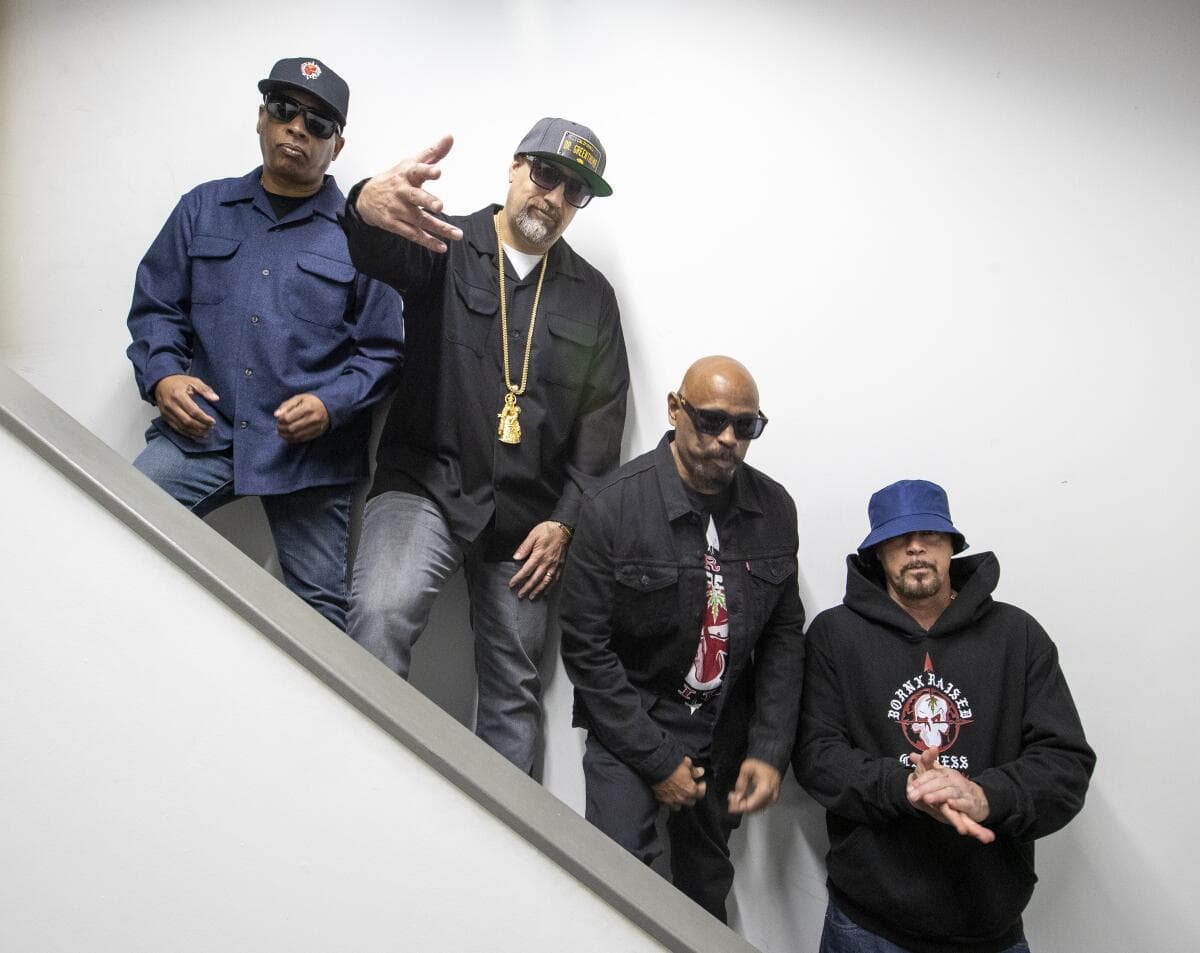
Cypress Hill, the hip-hop legends, have always represented their Latino roots. So why did it take more than three decades to make an album entirely in Spanish? The answer has less to do with music than with timing.
When Cypress Hill announced Dios Bendiga, one question immediately popped up among longtime fans.
Wait… hadn’t they already done this?
It feels like they had.
B-Real has rapped in Spanish for years. Sen Dog has switched effortlessly between English and español since the group’s earliest records. Their concerts have always felt like a celebration of Latino culture.
So why is everyone calling Dios Bendiga their first all-Spanish album? Because it actually is.
View this post on Instagram
Not the first Spanish record, just the first one built entirely in Spanish
Here’s where many people get confused.
Back in 1999, Cypress Hill released Los Grandes Éxitos en Español, leading plenty of fans to assume the band had already crossed that bridge decades ago.
But that project wasn’t a brand-new studio album. It was a collection of Spanish-language versions of songs people already knew.
Dios Bendiga is something completely different. Every song was written and recorded specifically in Spanish. No translations. No revisits. No looking back.
For a group that has been flying the Latino flag since the early ’90s, it’s a surprisingly historic moment.
So… why now?
The easy answer would be to say the music industry has changed. And that’s true.
Thirty years ago, releasing a full Spanish-language rap album in the United States would’ve been a commercial gamble, even for Cypress Hill. The industry expected crossover. Labels wanted English records.
Today, nobody questions whether Spanish sells. Bad Bunny fills stadiums. Peso Pluma tops global charts. Fuerza Regida dominates streaming.
The landscape is completely different. But that’s only part of the story.
This album feels more personal than strategic
Listening to Dios Bendiga, it never sounds like Cypress Hill is trying to follow a trend. If anything, they’re catching up with themselves.
B-Real has said the project is about honoring their heritage, not chasing algorithms or streaming numbers. You can hear it throughout the record.
There’s no pressure to make a crossover hit. No attempt to sound younger.
Just veterans making the album they probably could’ve made years ago, but maybe weren’t ready to.
Bringing old-school and new-school together
One of the coolest parts of the album is how naturally it connects different generations of Latino hip-hop.
Having Mellow Man Ace involved isn’t just another feature. It’s symbolic.
Long before Latin rap became mainstream, Mellow Man Ace was one of the artists proving bilingual hip-hop belonged in American music. Pairing him with Cypress Hill on this project feels less like a collaboration and more like a reunion.
The appearances by Demrick, Krooked Treez and Scoop DeVille continue that idea, mixing pioneers with artists carrying the culture forward.
The album arrives at exactly the right moment
There’s something almost poetic about Cypress Hill waiting this long. Back when they started, being proudly Latino inside mainstream hip-hop still felt like swimming against the current.
Today, it’s something artists celebrate openly. Maybe that’s why Dios Bendiga doesn’t feel late. It feels earned.
The group spent more than three decades building one of hip-hop’s most recognizable legacies. Only after doing that did they decide to make a record entirely in the language that shaped them from the beginning.
Sometimes the album fans think has existed forever… is the one that simply needed the right moment to be made.
