

WATCH NOW
Watch on the app










Susan Saint James family breaks silence on the illness she faced before her death
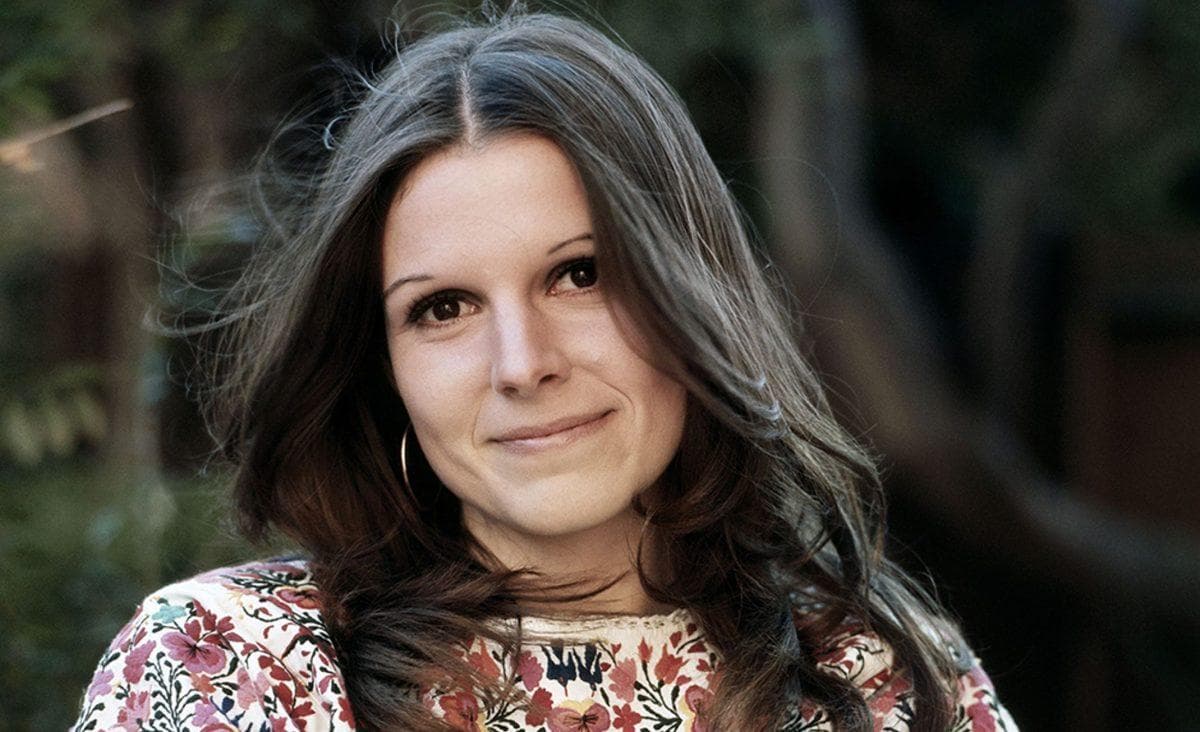
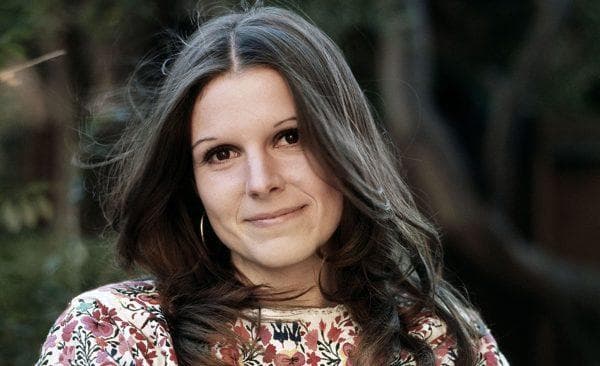
For decades, Susan Saint James was a familiar face on American television, winning audiences over with her performances in McMillan & Wife and Kate & Allie. When news of her death at 80 emerged, tributes quickly celebrated the actress’s long career. But behind the announcement was a health struggle that had remained largely outside the public eye.
Saint James died on October 26, 2026, leaving fans with questions about her final months. Although she had largely stepped away from Hollywood in recent years, she remained a recognizable figure from television’s golden era. It was only after her death that her family shared details about the illness she had been facing.
What was Susan Saint James’ cause of death?
The actress had been diagnosed with pancreatic cancer before her death, according to information confirmed by her family and representative. The diagnosis had not previously been publicly disclosed, and her loved ones did not specify when she learned she had the disease or how long she had been undergoing treatment. Pancreatic cancer can be particularly difficult to detect early because symptoms often develop gradually or resemble those of other conditions, although no specific details about Saint James’ symptoms or treatment have been released.
A television career remembered beyond her final illness
Saint James rose to prominence in the late 1960s and became a household name through her role in McMillan & Wife, opposite Rock Hudson. She later found another generation of fans playing Kate McArdle in Kate & Allie, the popular sitcom that aired from 1984 to 1989. Her performances earned multiple Emmy nominations and helped establish her as one of television’s most recognizable actresses.
Her family had also endured tragedy long before her final illness. In 2004, her 14-year-old son Teddy died in a plane crash, a loss Saint James later discussed publicly while advocating for families dealing with grief. Now, as admirers revisit her work, the disclosure of her cancer diagnosis adds a private dimension to her final chapter. Her family has not suggested that the illness was deliberately concealed, only that the diagnosis had not been shared publicly before her death.
