

WATCH NOW
Watch on the app










California woman discovered a bigger threat in the water after swimming 900 miles past sharks and a hurricane
-
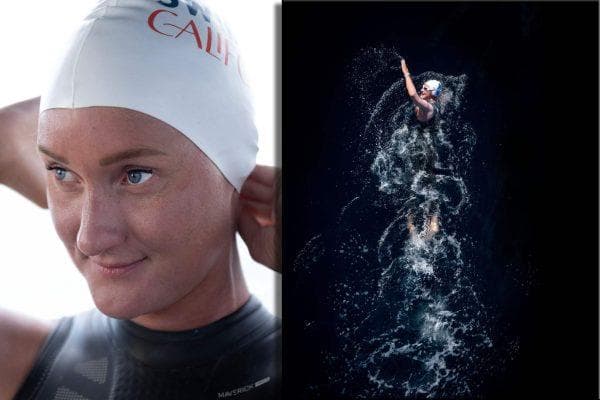
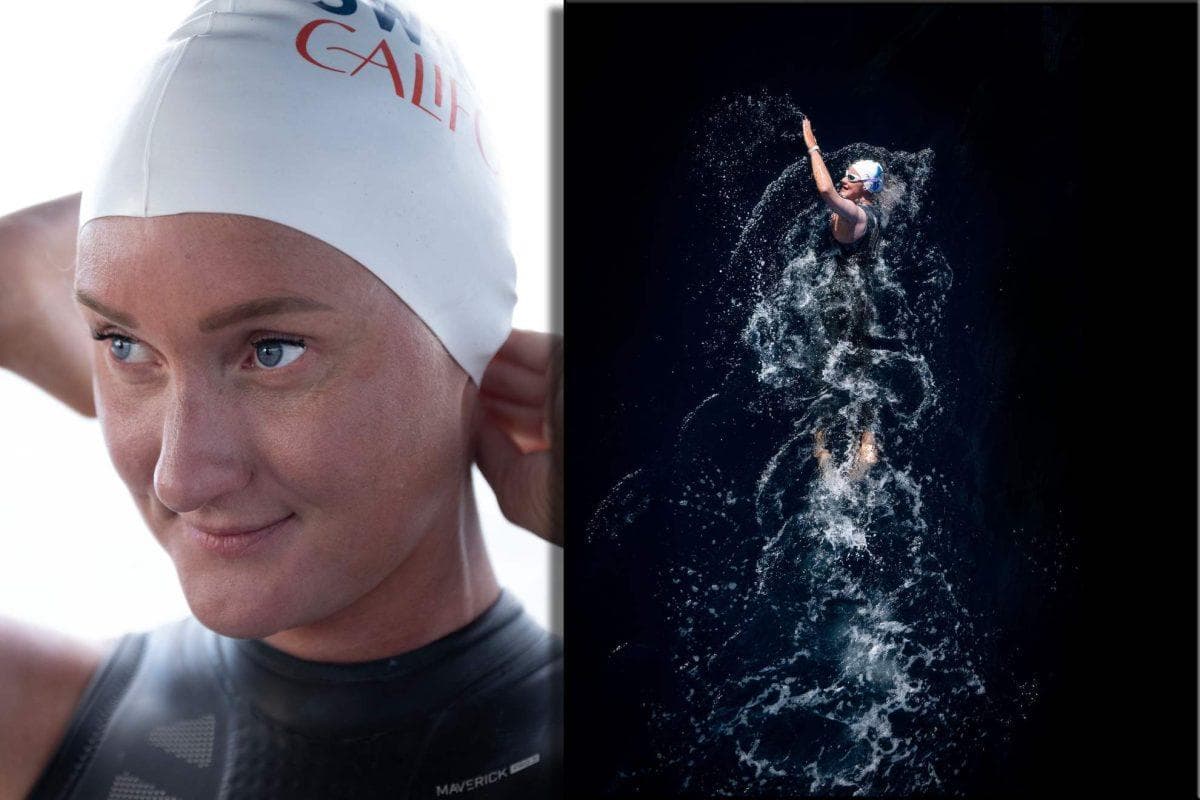
Open water swimmer Catherine Breed completed a record breaking nine hundred mile journey from Oregon to the Mexico border.
-
The expedition spanned one hundred eleven days through severe Pacific storms, extreme El Niño currents and shark encounters.
-
Breed navigated toxic sewage runoff along coastal waters while advocating for global ocean conservation awareness.
Former United States national team swimmer Catherine Breed achieved a landmark record in open water athletics after becoming the first person to swim the entire coastline of California. Spanning nine hundred miles from the Oregon border down to the Mexican frontier, the thirty three year old athlete concluded a grueling one hundred eleven day expedition aboard her support vessel Catalyst alongside an all female crew, navigating complex marine environments to complete the historic endurance test.
Ver esta publicación en Instagram
Tactical current navigation adaptations forced by El Niño weather patterns
The ambitious project, named Swim California, faced immediate logistical disruptions as a super El Niño pattern altered traditional southbound Pacific current flows. To maintain steady progress while adhering to international marathon swimming guidelines, Breed and her support team utilized an approved tactical adjustment validated by the World Open Water Swimming Association, swimming northbound during strong counter currents to guarantee every single mile of coastal territory was legitimately covered.
Surviving hurricane Rachel and encounters with apex marine predators
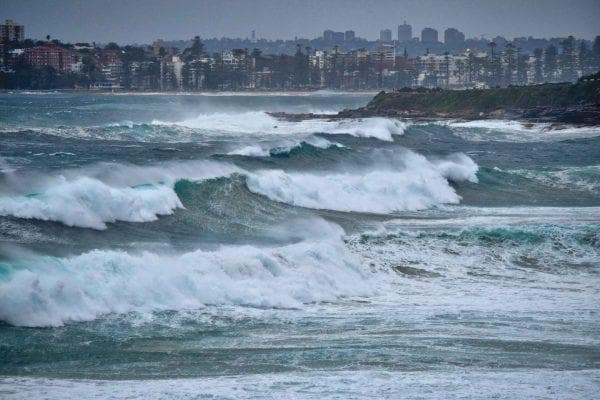
Throughout the nearly four month journey, the expedition navigated volatile weather conditions, including twenty five knot winds and eight foot swells generated by Hurricane Rachel off the coast of Dana Point. The open water swimmer also encountered four great white sharks and a high speed mako shark along her route, requiring rapid emergency extractions onto the support vessel whenever apex predators approached the immediate swimming corridor.
Ver esta publicación en Instagram
Ecological hazards and environmental pollution challenges along the coastline
Despite the inherent dangers posed by marine wildlife and oceanic storms, Breed highlighted human generated pollution as the most severe threat faced during the expedition. Navigating near Imperial Beach and the Tijuana River outlet, the swimmer was forced to distance her route nearly three miles offshore and take preventative antibiotics to avoid illness from millions of gallons of untreated wastewater, while regularly collecting floating plastic debris.
Marine wildlife encounters and long term conservation advocacy
Balanced against the intense physical hazards, the journey featured remarkable interactions with native marine life, including pods of bottlenose dolphins off Santa Barbara and daily sightings of humpback whales between Humboldt County and Point Conception. Having stepped away from her corporate career to pursue the expedition, Breed hosted ten coastal community events during her journey to promote marine ecology protection while awaiting formal verification of her swimming record.
Cover photos from: @catherine.breed – @donaldmiralle – @dermasport
