

WATCH NOW
Watch on the app









Who are the most powerful Latina women leading the entertainment industry today and how they got there
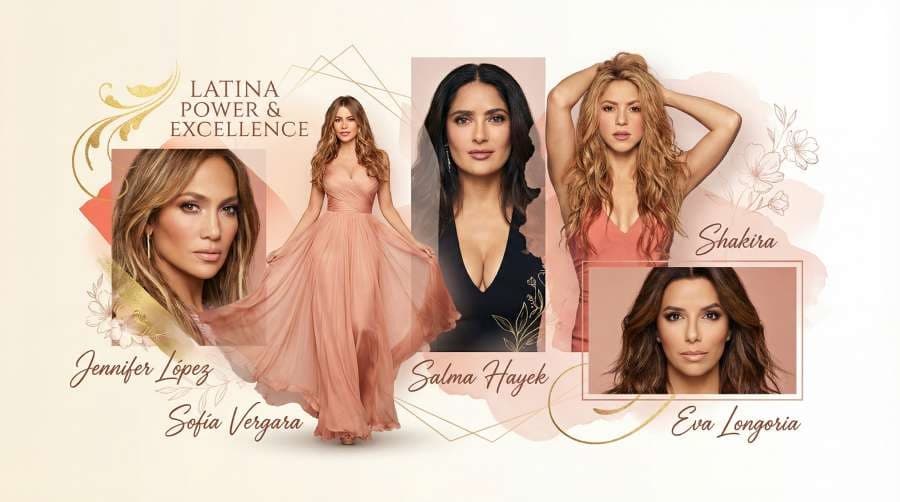
Latina women now lead the entertainment industry in the United States and across global markets, exercising creative control and influencing massive international audiences. In film, television and music, Latina actresses, singers and producers rank among the highest paid and most influential figures, according to Forbes, Billboard and Variety.
For decades, Latin representation was limited to stereotypes, but sustained commercial success has transformed this narrative and expanded opportunities for Latina talent. Today, Latina women do more than act; they take on leadership roles, producing, directing, and negotiating projects from strategic positions of power. This shift demonstrates that Latin talent generates ratings, revenue and measurable cultural impact, evolving from symbolic presence into a real force within the entertainment industry.
Artists who paved the way in acting
Sofía Vergara, through Modern Family, became one of the highest-paid actresses on American television, proving that Latina comedy could reach mass audiences without sacrificing cultural authenticity.
Salma Hayek, with Frida, achieved an Oscar nomination and solidified her enduring influence in Hollywood, expanding her career into production and continuous advocacy for diversity.
After Desperate Housewives, Eva Longoria realized that representation also requires leadership behind the camera, producing and directing projects that highlight Latina stories with cultural and political perspectives. Jennifer López broke the “single talent” mold, building a multigenerational empire spanning film, music, business, and fashion, establishing herself as a global influencer and Latina role model.
Latina women and diversification of talent
Latin leadership does not follow a single path. Zoe Saldaña starred in some of the highest grossing franchises in history, including Avatar and Guardians of the Galaxy, bringing Latina presence to global cinema. America Ferrera, known for Ugly Betty, and recently nominated for an Oscar for Barbie, has reinforced a career based on social impact and challenging stereotypes. Meanwhile, Michelle Rodríguez, Jessica Alba, Eva Mendes, and Roselyn Sánchez expanded representation through narratives of strength, sensuality, and versatility, broadening the Latina female image on screen.
Latina women and global musical dominance
In music, Latina female leadership is undeniable and Colombian singer Shakira exemplifies this prominence.
The Barranquilla born artist remains the most influential Latina performer globally, holding historic records and an intergenerational cultural impact. Karol G and Becky G represent a new era of female empowerment in urban music, consistently topping international charts and connecting with millions of fans.
Natti Natasha and Anitta broke barriers in genres historically dominated by men, creating space for new voices and female led styles worldwide. Rosalía redefined the global pop sound with innovation and style, while Mon Laferte and Thalía demonstrate that reinvention is key to female artistic leadership, shaping trends for future generations.
Stories that redefine Latina identity
The rise of Latina women not only impacts entertainment but also has economic, political and cultural implications, influencing young audiences and investment decisions in the industry. Their leadership generates a multiplier effect, creating new projects, wider narratives and expanded creative opportunities for future generations.
Latina female power is not a passing trend; it reflects proven talent, resilience and long term strategic vision, transforming how the entertainment industry operates. Today, Latina women do not ask for space; they create it, lead it and transform it, marking the present and future trajectory of global entertainment.
