

WATCH NOW
Watch on the app








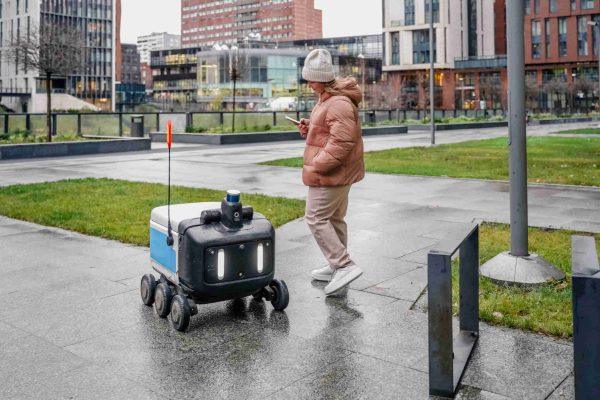






Miami’s autonomous delivery robots may soon discover that even machines have to follow the rules
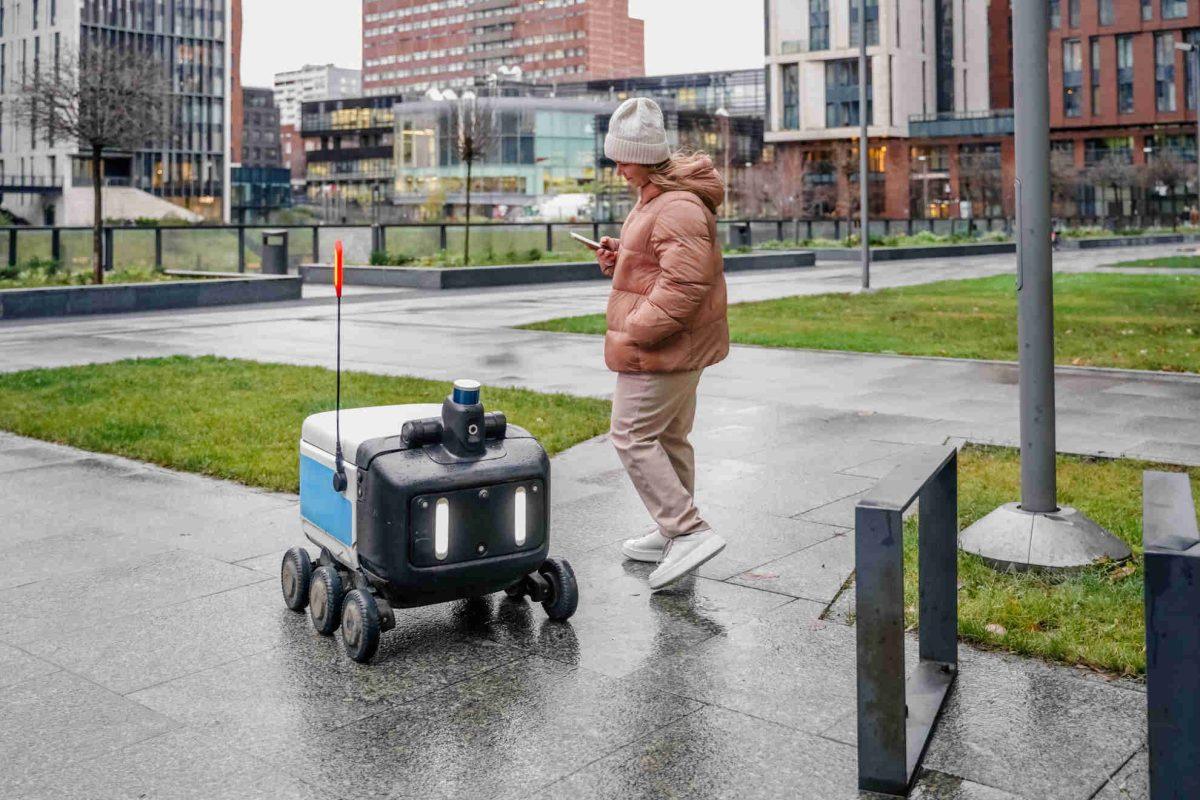
- Autonomous delivery robots in Miami-Dade will face speed limits, annual permits and fines of up to five hundred dollars.
- The Board of Commissioners will vote on an ordinance demanding real-time monitoring and absolute priority for all pedestrians in Florida.
- Operating companies must report any accident within twenty-four hours and maintain minimum insurance policies of one hundred thousand dollars.
The end of lawless sidewalks for delivery robots in Miami-Dade
For years, the small autonomous delivery robots transporting food and packages along South Florida sidewalks operated under a local regulatory vacuum that is finally coming to an end. Accordingly, this November 17, the Miami-Dade Board of Commissioners will vote on a pioneering ordinance that Commissioner Micky Steinberg championed to establish a dedicated oversight system featuring mandatory permits, zone restrictions and direct financial penalties through fines. If the measure passes without a veto from Mayor Daniella Levine Cava, the new rules will take effect in just ten days across both unincorporated areas and county municipalities lacking their own legislation.
Speed limits, pedestrian priority and restricted zones across the city
In this way, to ensure urban coexistence functions without risks, the regulation establishes that delivery robots will travel at a maximum of eight miles per hour on general sidewalks, slowing down to six miles per hour in high pedestrian traffic zones. Although they may reach up to ten miles per hour at street crossings in Miami-Dade, each unit must come to a complete stop before entering the intersection and always yield the right-of-way to pedestrians. Likewise, the draft ordinance prohibits these devices from remaining stationary for more than thirty minutes outside an active delivery, blocking wheelchair ramps, fire hydrants, or bus stops and operating near schools during reduced speed hours, as failing to comply with these rules could trigger fines in Florida.
Annual permits, live surveillance and fines of up to five hundred dollars
Furthermore, under this new regulatory framework of the Miami-Dade ordinance, companies owning delivery robots will need to process annual licenses identifying each machine, detailing their routes and providing a twenty-four-hour emergency contact. In addition to holding the one-hundred-thousand-dollar insurance coverage that Florida law requires, operators must monitor their fleets in real time, obey speed limits, and report any incident involving injuries or property damage within a maximum of twenty-four hours. Similarly, anyone operating without a permit or an active policy will pay five-hundred-dollar fines, whereas other violations will cost two hundred fifty dollars on the first offense and five hundred dollars for repeat infractions.
Fiscal impact and balancing technological innovation with safety
Even though the Transportation Committee authorized delivery robots to display commercial advertising following official approval, a fiscal analysis from Deputy Mayor Roy Coley warns that enforcing the oversight will cost over two hundred fifty-one thousand dollars annually in administrative staff and inspectors. Because the Miami-Dade county code mandates that the program self-fund through its own licensing and fine revenues, authorities will evaluate whether industry growth manages to cover those operational expenses without creating budget deficits. Therefore, the ordinance will return to the Board for review within a year alongside a detailed report from the mayor’s office to adjust the rules and guarantee a fair balance between innovation and public safety in Florida.
