

WATCH NOW
Watch on the app













Generation Z is saving vinyl and the reason isn’t musical
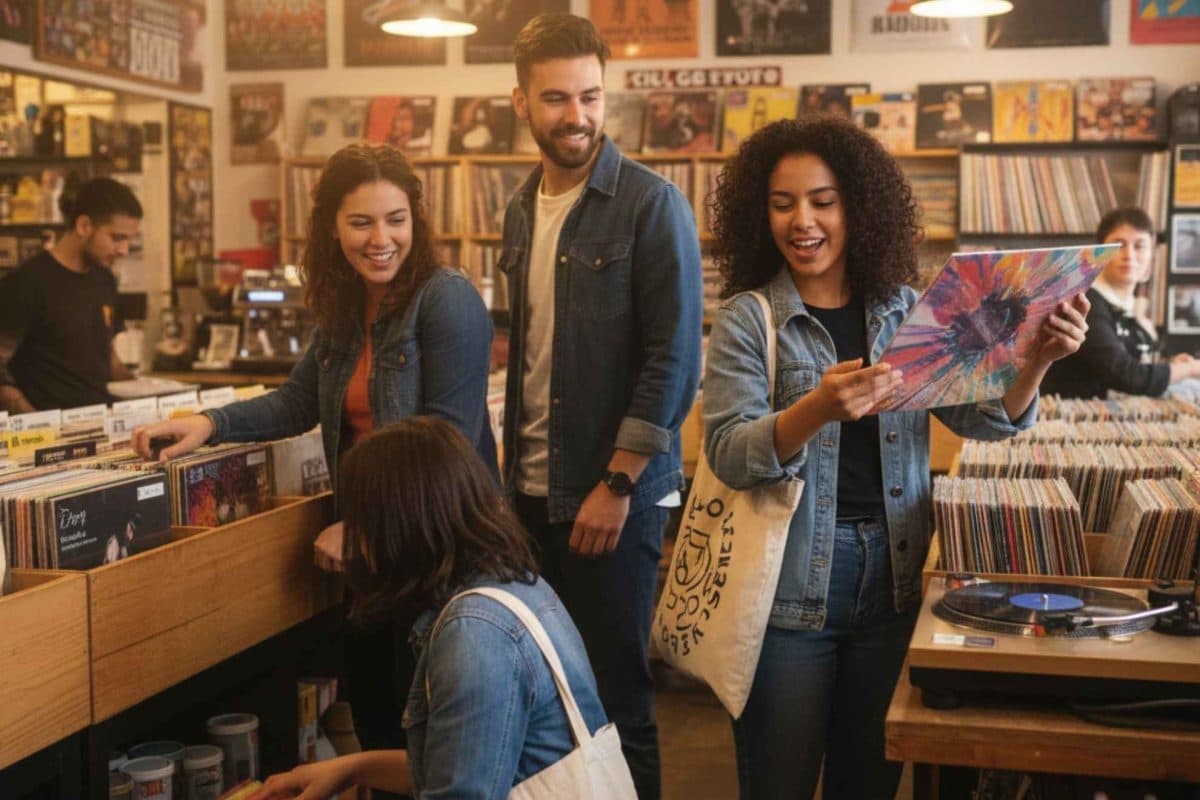
For many, the idea of paying thirty dollars for a vinyl record in the middle of 2026 seems like an act of pure vintage nostalgia; however, in a twist only Generation Z could execute, vinyl consumption is not only flourishing but is now outselling CDs, and Latino zoomers are an active part of this phenomenon. Contrary to what the older generation thinks, the main reason isn’t sound quality, but a much more modern concept: aesthetics, collection, and the symbolic consumption of music.
How is it possible that young people, having unlimited access to millions of songs on their phones, are buying records that many don’t even have a place to play? Well, vinyl has stopped being just audio to become an affordable art object and a key piece of digital identity.
From listening to art object: Vinyl as decoration
The uncomfortable truth for audiophiles is that close to 40% of vinyl buyers in the United States do not own a record player, which demonstrates that its value is visual before it is sonic. For Generation Z, the record is a statement of intent, given that close to 56% prefer vinyl for its aesthetics and 37% actively use it as home decor. This phenomenon, known as “symbolic consumption,” allows young people to show their appreciation for an artist or their good musical taste without the record needing to spin on a platter, so hanging a limited edition vinyl on the wall, or collecting various covers, is the modern equivalent of showcasing a trophy, the physical proof of your fandom.
The Swift phenomenon and collector’s editions
This resurgence would not be possible without artists who have understood the collector’s mind of Generation Z, and Taylor Swift has been the master of this strategy, elevating her vinyl albums to the category of collector’s items by including bonus songs, posters, or, in the case of Midnights, variants with different covers that form a clock face when put together. This approach has “raised the bar for everyone,” forcing other popular artists like Lana Del Rey and Olivia Rodrigo to create their own colorful and exclusive variants, while zoomer collectors obsess over getting these limited versions, considering them “a different piece of the artist’s history,” although they confess they often keep them as artwork and only listen to the album via streaming.
Intentional consumption and the hunt for the bargain
Generation Z’s drive for vinyl is also framed within a trend of intentional consumption; as major financial milestones, such as buying a house, have been delayed, young adults seek smaller gratifications, which has boosted the market for collectible items. Vinyl, with an average price of US$33, is that small affordable indulgence; however, they do not buy without thinking, as zoomers dedicate time to hunting for the best deal, whether by comparing prices online or, crucially, rummaging through local record stores.
This search for “bargains,” where a record can be found with a discount exceeding 70%, is not only an act of saving but also adds sentimental value, since buying a second hand record is compared to buying second hand clothing: it has the “essence” of having belonged to someone else and, furthermore, offers the environmental benefit of more sustainable consumption, avoiding “excessive pressing” and plastic waste. Ultimately, vinyl sales are proof that in the digital age, the tangible remains powerful, and for Generation Z, vinyl is the perfect intersection of culture, aesthetics, and personal expression. The challenge now is for record labels: will they manage to maintain the magic of the physical format without exploiting its collectible value?
Now that vinyl has conquered your bookshelf, what will be the next analog object our generation revives?
