

WATCH NOW
Watch on the app



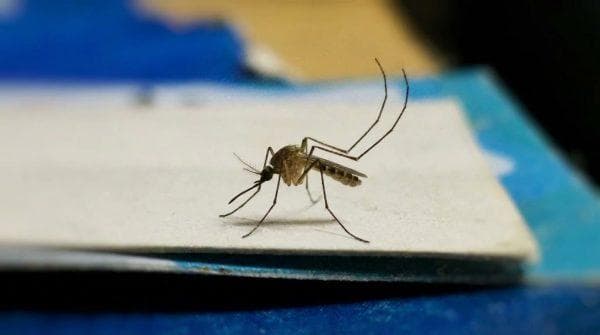




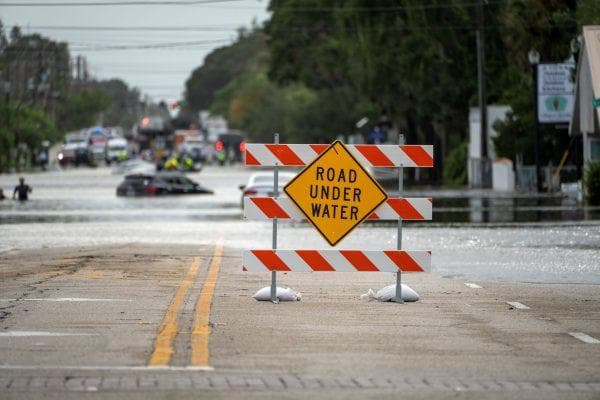






Florida’s mosquito problem has taken a historic turn and three counties are now under emergency declarations
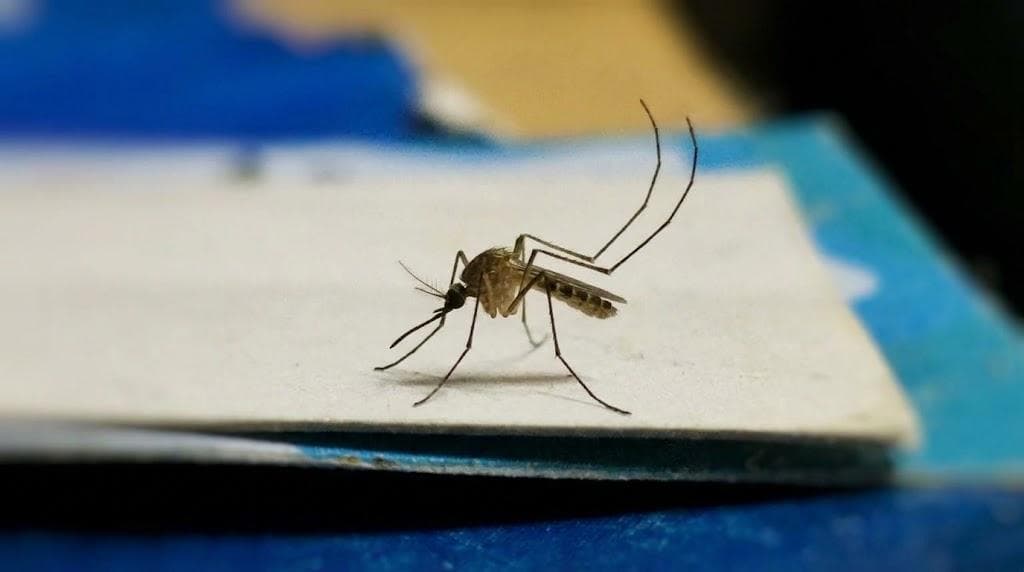
-
Emergency declarations enabled regional health officials to coordinate rapid vector control operations following the largest locally acquired dengue outbreak recorded since 1930.
-
Local government agencies across the Tampa Bay area intensified ground and aerial larvicide treatments to suppress infected mosquito populations within residential zones.
-
Public health specialists urge residents to recognize critical warning signs early while actively eliminating standing water sources around private properties.
Unprecedented health alerts expanded rapidly across the state after official CDC reporting confirmed during a technical presentation on October 22, 2026, that Florida’s mosquito population triggered the largest dengue outbreak since the 1930s; furthermore, data compiled through October 15 detailed 368 autochthonous cases across 8 counties alongside 288 travel cases, while field inspectors identified 20 virus positive mosquito pools and registered that 47% of infected local patients required immediate hospitalization alongside 1 confirmed death:
“This represents the most significant local dengue transmission cycle in state history.”
Meanwhile, accelerating vector proliferation affected urban communities surrounding Tampa Bay, with Hillsborough County emerging as the primary epicenter; consequently, public health entomologists confirmed that Aedes aegypti and Aedes albopictus species continue breeding aggressively in artificial water containers, prompting regional environmental health departments to issue urgent epidemiological advisories across affected neighborhoods.
Vector control operations and emergency declarations in affected jurisdictions
Local government commissions in Hillsborough, Pasco, and Pinellas approved emergency declarations during the final week of September; specifically, Pasco ratified its initial resolution on September 23 while Hillsborough and Pinellas enacted parallel measures on September 24, streamlining administrative procurement procedures and unlocking emergency funding for immediate ground spraying operations without establishing general movement restrictions.
In addition, extending these special powers through late October, official county health communications verified that administrators prolonged emergency status from October 29 through November 5 while Pinellas extended its resolution on October 22 through October 29 to ensure reimbursement access; as a result, these operational frameworks allowed Pinellas authorities to coordinate directly with Lee County Mosquito Control to execute targeted aerial larvicide applications over critical zones in St. Petersburg and Clearwater.
Dengue transmission patterns and environmental factors evaluated for public health safety
The Tampa Bay metropolitan area concentrated the vast majority of local infections with 456 confirmed cases across 3 counties according to the October 30 update; in fact, updated figures from regional health agencies recorded 385 cases in Hillsborough, 67 in Pinellas, and 4 in Pasco, while statewide tallies reached 485 local cases across 12 counties within the surveillance report covering October 18 through October 24.
In parallel, scaling up field interventions under continuous emergency declarations, environmental health teams expanded door to door property inspections and localized ultra low volume barrier sprays; simultaneously, municipal administrators instructed property owners to grant access to control technicians while actively removing stagnant water receptacles from residential yards.
Preventive protocols and emergency declarations guidelines for community safety
Outlining essential community protection guidelines under current emergency declarations, public health officials published mandatory protection guidelines for all residents:
-
EPA registered insect repellents: Health experts recommend formulations containing DEET or picaridin to prevent bites from Florida’s mosquito.
-
Elimination of standing water: Homeowners must drain standing water receptacles weekly to prevent conditions requiring emergency declarations.
-
Protective outdoor clothing: Individuals should wear loose long sleeved shirts and pants during day and night hours.
-
Immediate medical evaluation: Severe abdominal pain or mucosal bleeding requires immediate emergency medical evaluation.
-
Residential inspection clearance: Residents must grant full access to vector control teams evaluating local vector breeding sites.
Clinical management and severe dengue symptom surveillance under emergency declarations
Clinical manifestations of dengue fever typically present as high fever accompanied by headache, retro orbital pain, muscle aches, nausea, vomiting and rash lasting between 2 and 7 days; nevertheless, medical specialists warn that the critical phase of severe dengue often begins precisely when the acute fever starts to subside after approximately 1 week.
In response to potential complications while municipal authorities enforce emergency declarations, CDC guidelines emphasize immediate hospital admission upon detecting warning signs such as abdominal tenderness or blood in vomit and stool; for this reason, regional emergency rooms maintain active clinical surveillance to deliver timely fluid management and protect residents from the health risks associated with Florida’s mosquito.
