

WATCH NOW
Watch on the app










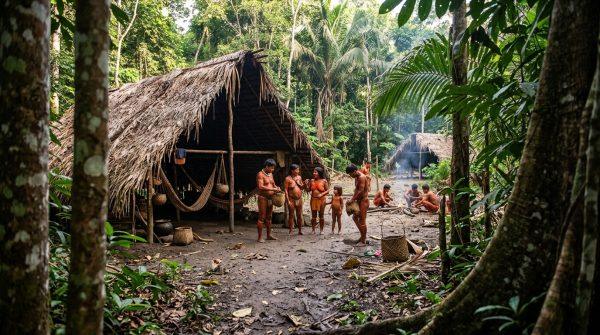




Uncontacted Indigenous tribe reaches out and sends a message for the first time in the Brazilian Amazon
-
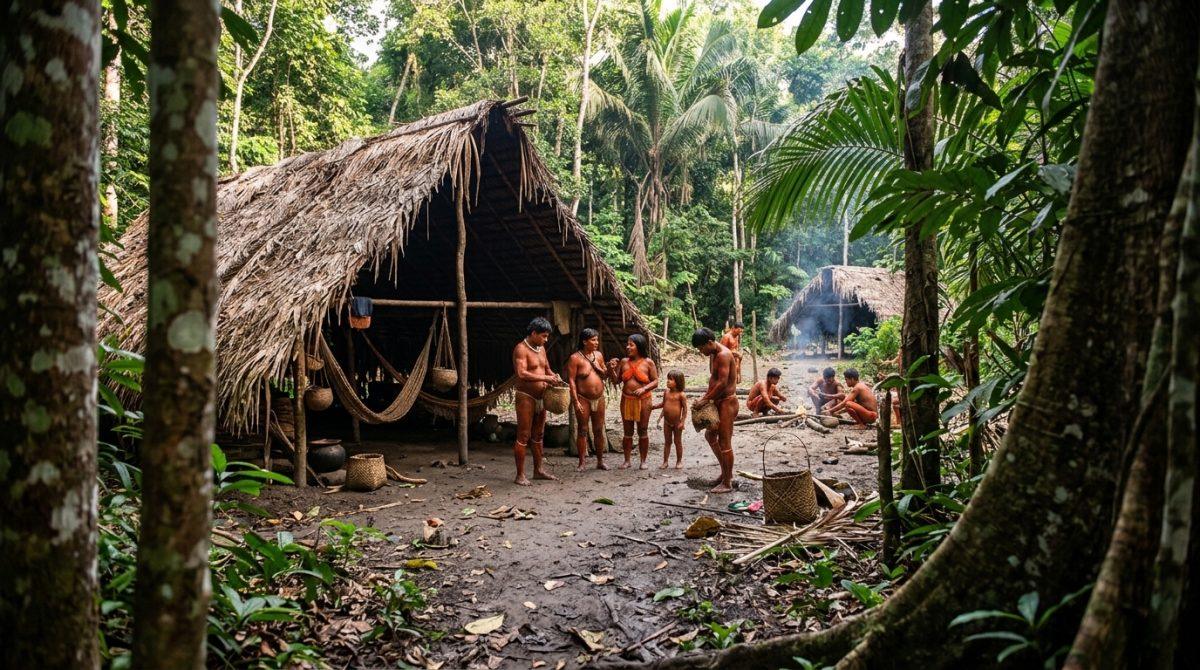
An isolated South American native community recently made headlines when an Uncontacted Indigenous tribe decided to reach out and sends a message for the first time in the Brazilian Amazon.
-
Environmental conservation organizations confirmed that 20 members of the vulnerable population emerged from the dense rainforest to seek emergency provisions and supplies.
-
Government authorities and indigenous rights groups immediately expressed deep concern over the unprecedented encounter due to the severe health risks involved.
While global observers monitor the accelerating vulnerability of native populations across South America, where experts estimate that half of the nearly 200 isolated communities within a decade face extinction due to climate change, land loss, and industrial pressures, a historic event demonstrates how an Uncontacted Indigenous tribe broke centuries of isolation and sends a message for the first time in the Brazilian Amazon; specifically, 20 members of the Awá community emerged from the dense rainforest inside the Arariboia region on November 17 to request basic provisions, risking their fragile biological immunity against external contact as reported by Survival International.
Furthermore, this surprising appearance exposes the severe crisis confronting hunter-gatherers amid relentless pressure from illegal loggers, compelling survivors to seek urgent assistance; consequently, human rights defenders explained that inadequate state protection pushes these isolated groups toward extreme situations, unleashing urgent international appeals to safeguard the ancestral lands of an Uncontacted Indigenous tribe.
Territorial threats and historical background for an Uncontacted Indigenous tribe
European settlers launched violent attacks during the 1800s that forced the Awá into a nomadic lifestyle, while Brazil’s mid-1980s establishment of settlement areas suffered from delayed government investment in demarcated lands; moreover, deadly encounters with intruders reduced the community to barely 300 people, leaving experts to estimate that only about one-third of them remain completely isolated from the outside world.
Illegal cattle ranchers continue ravaging natural resources across Arariboia in blatant defiance of federal laws, forcing indigenous groups to break their secular isolation; meanwhile, community survival depends strictly on aggressive government intervention and the reinforcement of sanitary cordons surrounding protected forest reserves as documented by The Guardian while the group sends a message.
Guardians of the Forests and indigenous resistance
-
Indigenous volunteers from the Guajajara community known as the Forest Guardians constantly risk their lives, enduring the sacrifice of warriors in battle to defend the Awá against third-party encroachment.
-
Non-governmental organizations demand the immediate allocation of state budgets to guarantee health security for the Awá population and halt runaway deforestation.
-
Experts warn that the accelerated loss of natural habitats irreversibly destroys traditional subsistence sources for isolated native populations throughout the Amazon basin.
-
Health authorities implement emergency protocols preventing massive contagion from unexpected encounters while echoing collective pleas for absolute regional protection.
-
Debates concerning territorial sovereignty and environmental protection remain wide open while international pressure persists around an Uncontacted Indigenous tribe, reiterating the powerful rallying cry “FOR THE TENETEHAR, AND FOR THE FOREST!” while the community sends a message.
Loading video...Loading Video