

WATCH NOW
Watch on the app













TSA’s new airport scanners could make you pay extra for the carry-on you thought was free
-
Airport security technology networks across major US terminals transform passenger screening methods as modern equipment reaches security checkpoints.
-
Air travelers face strict baggage restrictions while federal transportation officials implement advanced screening units across busy transit hubs.
-
Regulatory guidelines establish precise size limits for cabin luggage to prevent mandatory gate check fees during holiday travel seasons.
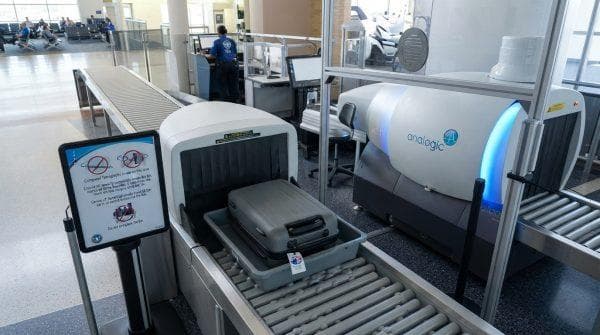
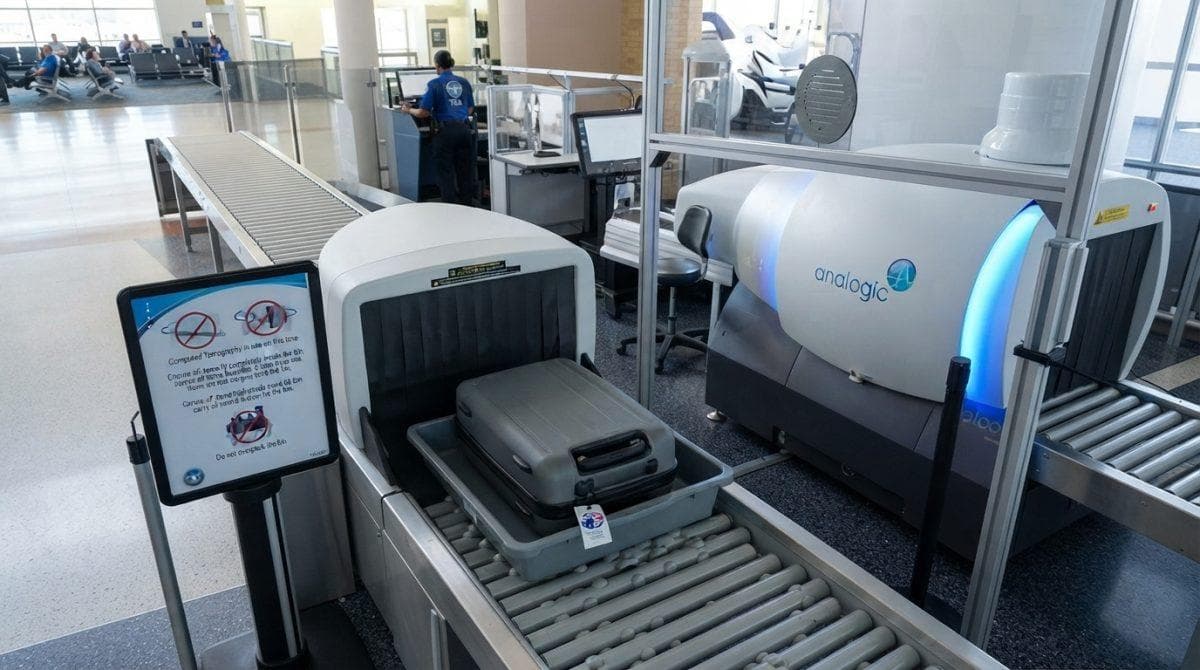
TSA new scanner systems deploy across 500M airports nationwide, transforming security checkpoints entirely and compelling passengers to meet rigorous cabin luggage standards as airport security technology advances; meanwhile, advanced equipment features smaller openings than traditional units, sparking concerns among vacationers transporting bulky suitcases during trips. Federal officials assert that these modern devices optimize inspections through detailed 3D imagery, eliminating the necessity to remove electronic devices and reducing manual bag searches at security gates. Check the official Transportation Security Administration portal for comprehensive checkpoint updates.
Concurrently, government authorities warn that any suitcase exceeding the permitted dimensions of 22 in by 14 in by 9 in might face rejection by the device, forcing travelers to check the parcel and pay unexpected additional fees at the boarding gate; official spokespersons recommend verifying baggage sizes meticulously prior to arriving at air terminals to prevent operational setbacks. Major airlines support the measure by arguing that modernization accelerates passenger flow, yet numerous users question the unforeseen fees associated with utilizing new screening equipment and airport security technology remains a focal point of discussion. Review current airline allowances directly via American Airlines Baggage Policies to ensure compliance before departure.
TSA new scanner operational impact and authorized terminal dimensions
Tomography machines operate with reduced openings to guarantee optimal performance from high-resolution scanners, while federal agents constantly monitor luggage movement to assist users requiring special accommodations; travelers exceeding established limits confront potential fines or last minute baggage fees, disrupting travel budgets planned for the seasonal rush.
Subsequently, aviation experts emphasize that 3D visualization enhances prohibited substance detection without slowing down security queues, whereas consumer associations demand greater clarity regarding costs linked to oversized luggage; federal administration representatives insist that airport security technology protects cabin storage space, diminishing frequent conflicts among passengers during commercial aircraft boarding.
Technical guidelines and operational baggage specifications
-
Standard dimensions permitted for cabin luggage reach a strict limit of 22 in by 14 in by 9 in across 100% of participating commercial airlines, prompting inspectors to measure every parcel meticulously.
-
New computerized tomography scanners generate detailed 3D views enabling operators to manipulate digital images without opening personal belongings, backed by modern airport security technology.
-
Electronic devices like laptops and tablets remain securely inside suitcases during the screening process thanks to the advanced capabilities of the TSA new scanner.
As federal aviation authorities continue modernizing national infrastructure, proactive preparation remains the most effective strategy for navigating evolving airport security protocols; understanding these technical parameters empowers travelers to bypass unnecessary gate fees and ensures a seamless transit experience under this innovative TSA new scanner.
