

WATCH NOW
Watch on the app



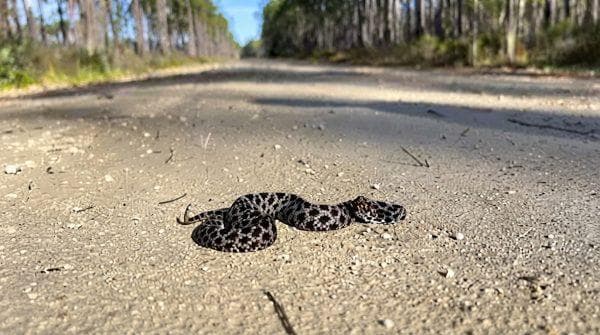










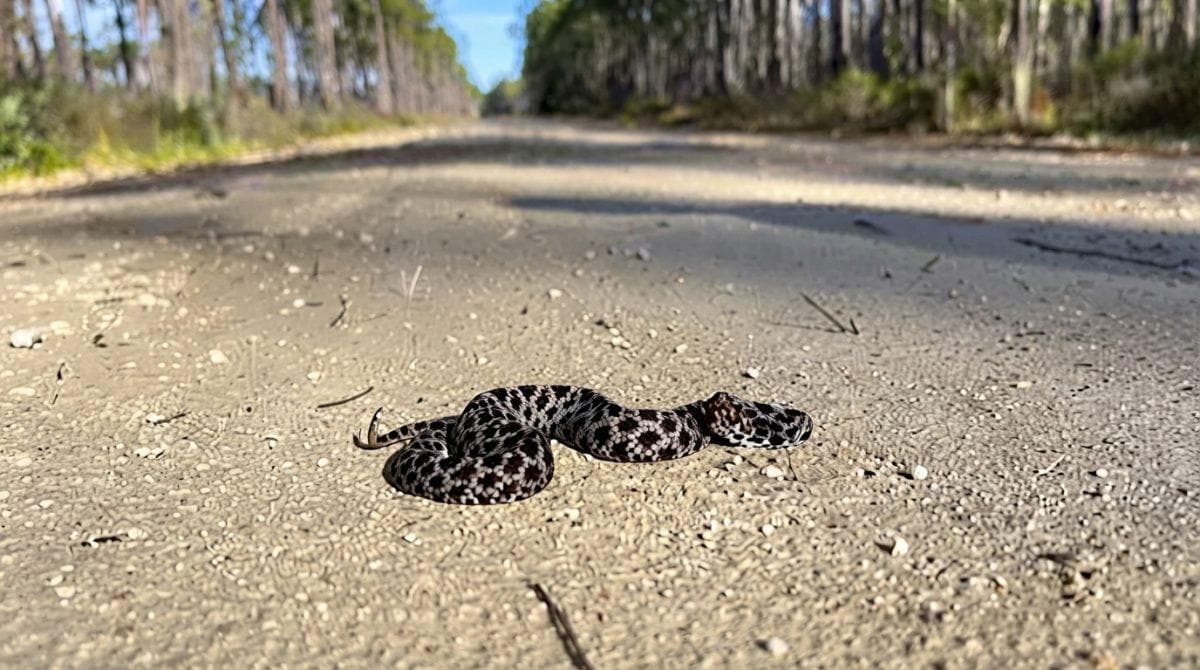
Rattlesnakes are lurking near Florida and Texas beaches
-
Venomous snakes beach habitats across sandy shores encourage visitors to remain vigilant near dunes and natural pathways as coastal wildlife moves about.
-
Vacationers do not need to cancel seaside trips, but understanding local wildlife zones prevents unexpected emergencies during family outings.
-
Careful observation matters because reptiles can hide nearby without being seen, making safety precautions essential for every 1 coastal explorer.
Encountering rattlesnakes and other wildlife along Florida and Texas beaches offers unforgettable settings for families seeking sun and ocean waves during the vacation season, but these destinations hide natural corners where animals keep habitats completely intact; furthermore, sandy dunes, dense grasslands and coastal vegetation serve as shelters for a venomous snakes beach environment demanding maximum attention from swimmers and reports issued in September 2026 remind everyone that reptile presence requires constant caution, transforming every stroll into an experience combining relaxation with absolute respect for local nature.
Meanwhile, federal and state authorities insist that wild animals rarely seek direct human confrontations voluntarily, although they react aggressively if perceiving threats or if someone invades territory by accident; on the other hand, experts recommend walking exclusively on authorized trails to minimize unnecessary risks, ensuring vacations unfold with total peace of mind and gathering proper geographic information remains the key to safe trips, allowing adults and children to enjoy 300 environmental wonders without unpleasant surprises.
If there are rattlesnakes on Florida and 2 popular coastal states
Florida hosts 2 primary snake species living within protected coastal ecosystems, highlighting the eastern diamondback as the largest serpent in North America; likewise, the U.S. National Park Service confirms its presence at 1 Fort Matanzas National Monument near St. Augustine, while a local island carries a name honoring these reptiles and coastal vegetation, sandy terrains and pine forests help their coloration blend into surroundings, causing distracted walkers to approach too closely without noticing imminent danger.
Conversely, Texas warns about rattlesnakes within dunes along the Gulf of Mexico coast, with Galveston serving as a heavily visited destination where Telemundo Houston previously reported on reptiles and the Texas Parks and Wildlife Department notes that dunes near San Luis Pass provide frequent habitats; moreover, the National Park Service documents that the western diamondback inhabits dunes and grasslands within Padre Island National Seashore and the risk extends beyond spotting a creature on open sand, because a venomous snakes beach scenario also includes hiding spots among grasses or near logs seeking shelter from 40°C intense heat.
Ver esta publicación en Instagram
How to avoid a snakebite during coastal visits
Travelers do not need to turn beach days into extreme survival expeditions because adopting simple precautions while traveling with children or pets proves entirely sufficient; the Centers for Disease Control and Prevention recommend avoiding direct contact with wildlife and paying close attention to dark spots where creatures usually conceal themselves.
Before walking through dune zones or coastal vegetation, tourists apply fundamental guidelines:
-
Utilize marked access points to avoid dangerous shortcuts across dunes, grasslands and dense bushes, keeping in mind that walking outside authorized paths damages vegetation protecting a venomous snakes beach against erosion.
-
Wear closed footwear mandatory, especially when walking across natural trails or terrain with abundant vegetation.
-
Prohibit placing hands into invisible spots, remembering that animals could rest hidden among 5 rocks or logs.
-
Keep children and pets close to prevent them from exploring coastal brush on their own and watch for wildlife lurking in low-hanging brush.
-
Step back slowly without making sudden movements upon hearing rattles, allowing creatures to continue paths freely while factoring in that the absence of a rattle never rules out danger.
Loading video...Loading Video
What to do if a venomous snakes encounter turns dangerous
A venomous snakebite demands immediate emergency medical attention, even when superficial wounds appear small or pain remains tolerable for 1 victim; official protocols advise calling the 911 emergency number immediately, keeping affected individuals as calm and still as possible and seeking professional assistance without delay, ensuring timely treatment prevents major bodily complications.
Additionally, individuals should remove rings, watches, or other tight accessories before bodily swelling begins while waiting for specialized help, alongside washing wounds with soap and water and covering them with clean, dry dressings; likewise, protocols strictly prohibit attempting to suck out venom, cutting skin, applying ice, or placing tourniquets, because these practices significantly worsen injuries, and smart travelers know that Florida and Texas coastal escapes thrive on outdoor awareness, ensuring that every family adventure preserves a lifelong appreciation for the wild beauty of rattlesnakes.
Ver esta publicación en Instagram
